
Category: Drug Information - Page 2
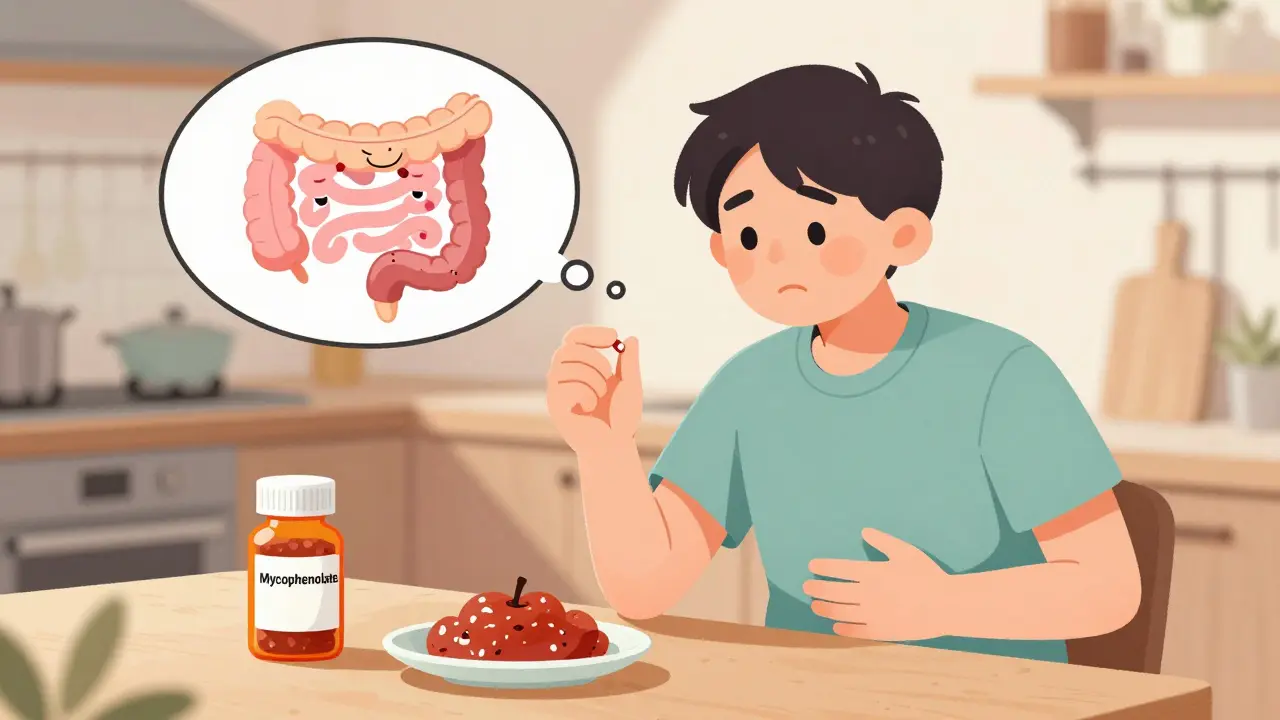
Mycophenolate GI Side Effects: How to Manage Nausea and Diarrhea
Nausea and diarrhea from mycophenolate are common but manageable. Learn how dose reduction, switching formulations, timing, and probiotics can help you stay on this critical immunosuppressant without quitting.
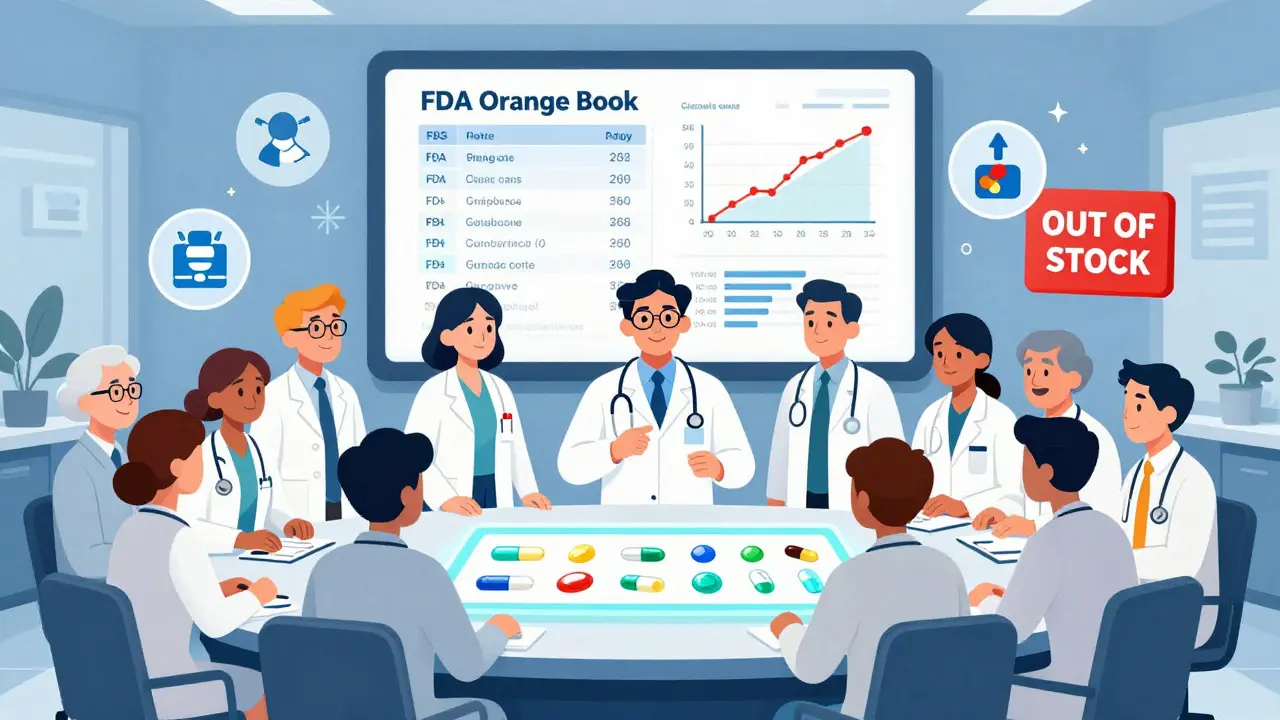
Hospital Formularies: How Systems Choose Generic Drugs
Hospital formularies use clinical evidence, cost analysis, and expert committees to select generic drugs. Learn how P&T committees decide which generics make the cut-and why it matters for patient care.
Sudden Sensorineural Hearing Loss: Urgent Steroid Therapy
Sudden sensorineural hearing loss is a medical emergency requiring immediate steroid therapy. Oral or injected steroids within 72 hours offer the best chance of hearing recovery. Delaying treatment can lead to permanent hearing loss.
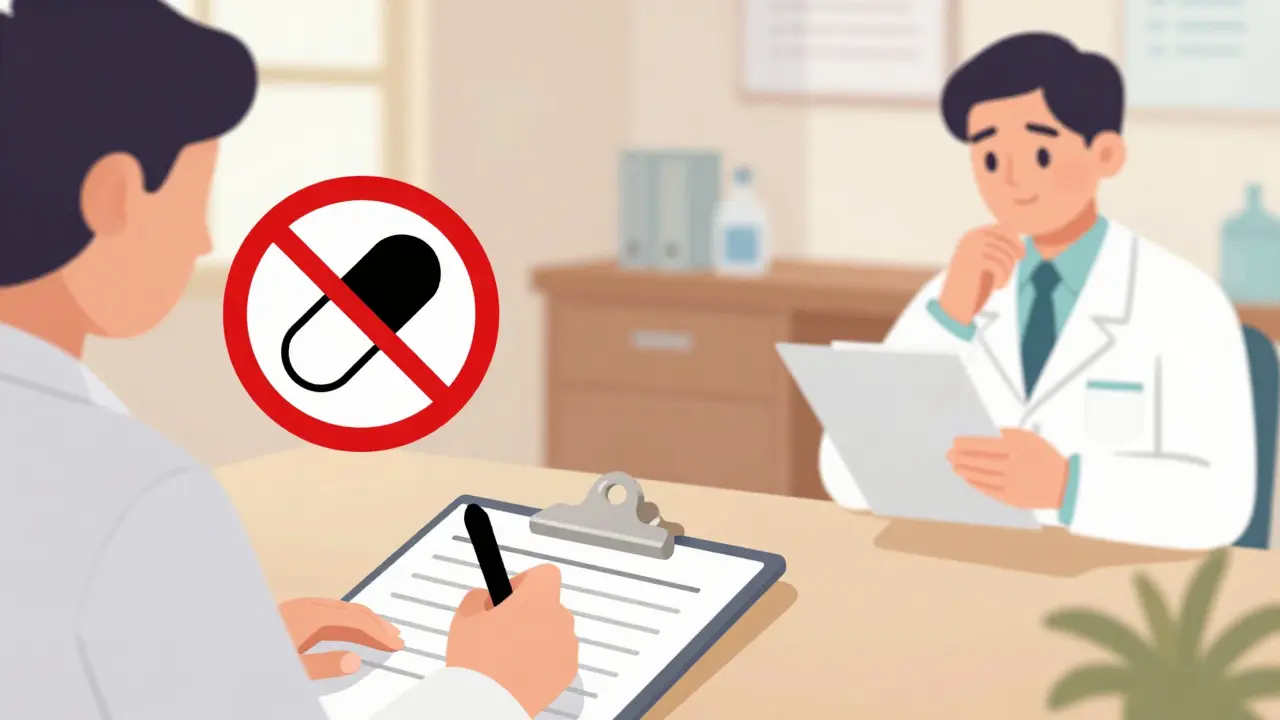
Understanding 'Do Not Substitute' Prescriptions: When Brand Drugs Are Required
Learn why doctors sometimes require brand-name drugs instead of generics. Understand when 'Do Not Substitute' prescriptions are necessary, how they impact costs, and what patients should know about DNS directives. This guide explains clinical reasons, state laws, and practical steps for patients.
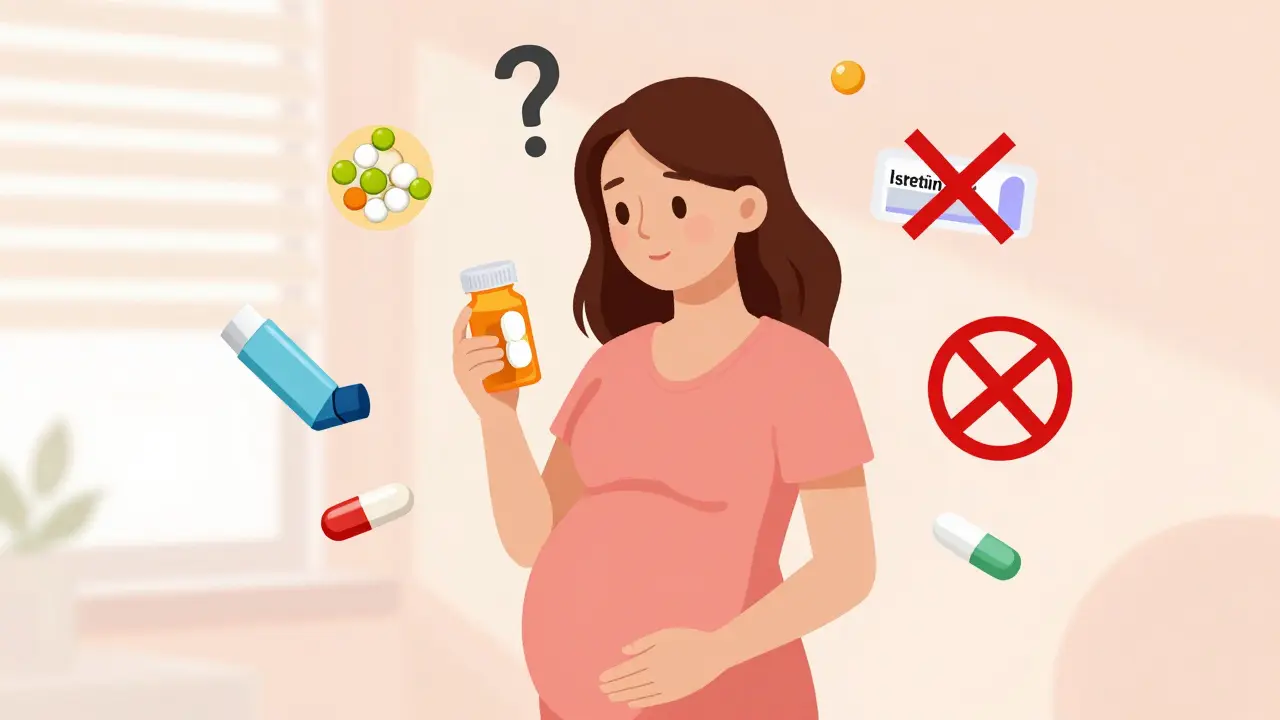
Understanding Medication Use During Pregnancy: Safety Alerts and What You Need to Know
Learn how pregnancy safety alerts work, why medication decisions during pregnancy are so complex, and what steps you can take to protect both your health and your baby’s. Based on FDA, EMA, and real-world data.
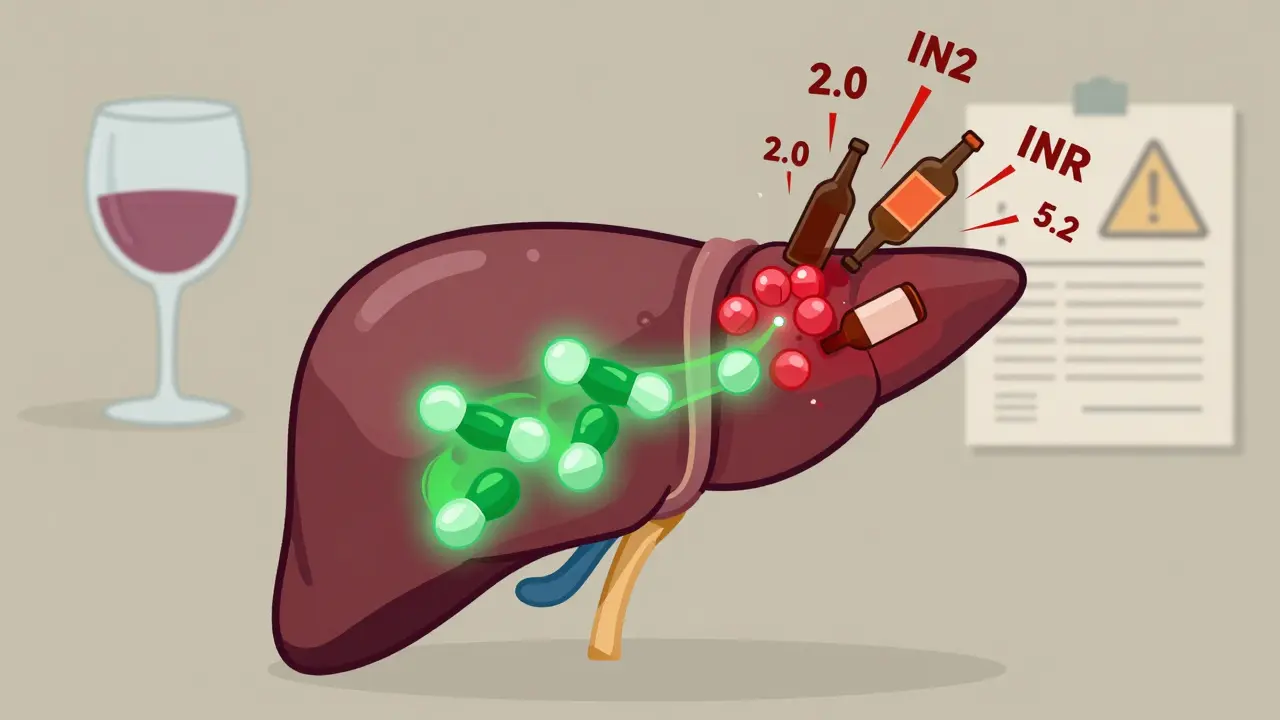
Alcohol and Blood Thinners: Understanding Bleeding Risk and INR Changes
Alcohol can cause dangerous INR fluctuations in people taking warfarin, increasing bleeding risk. Learn how drinking affects blood thinners, what levels are safe, and what signs to watch for.
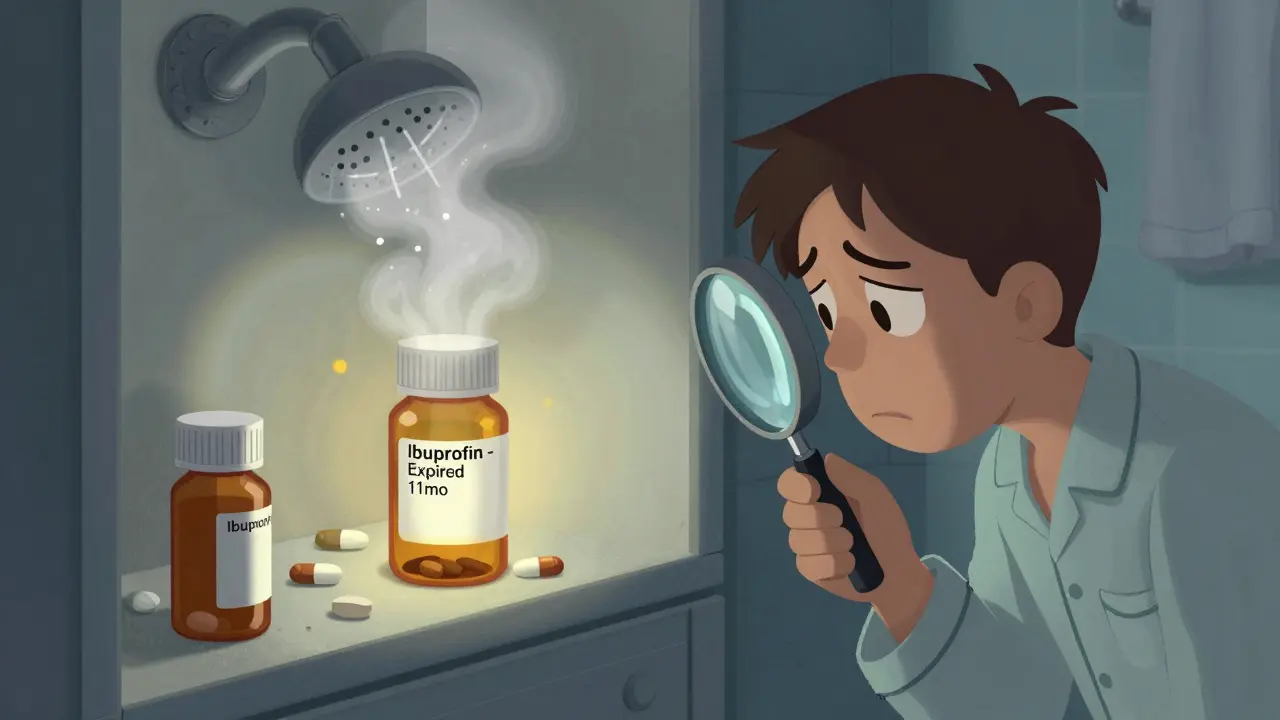
How to Assess Risk When Only Expired Medications Are Available
Expired medications aren't always dangerous, but some can be life-threatening. Learn which drugs are safe to use past their date, which are not, and how to assess risk when no alternatives exist.
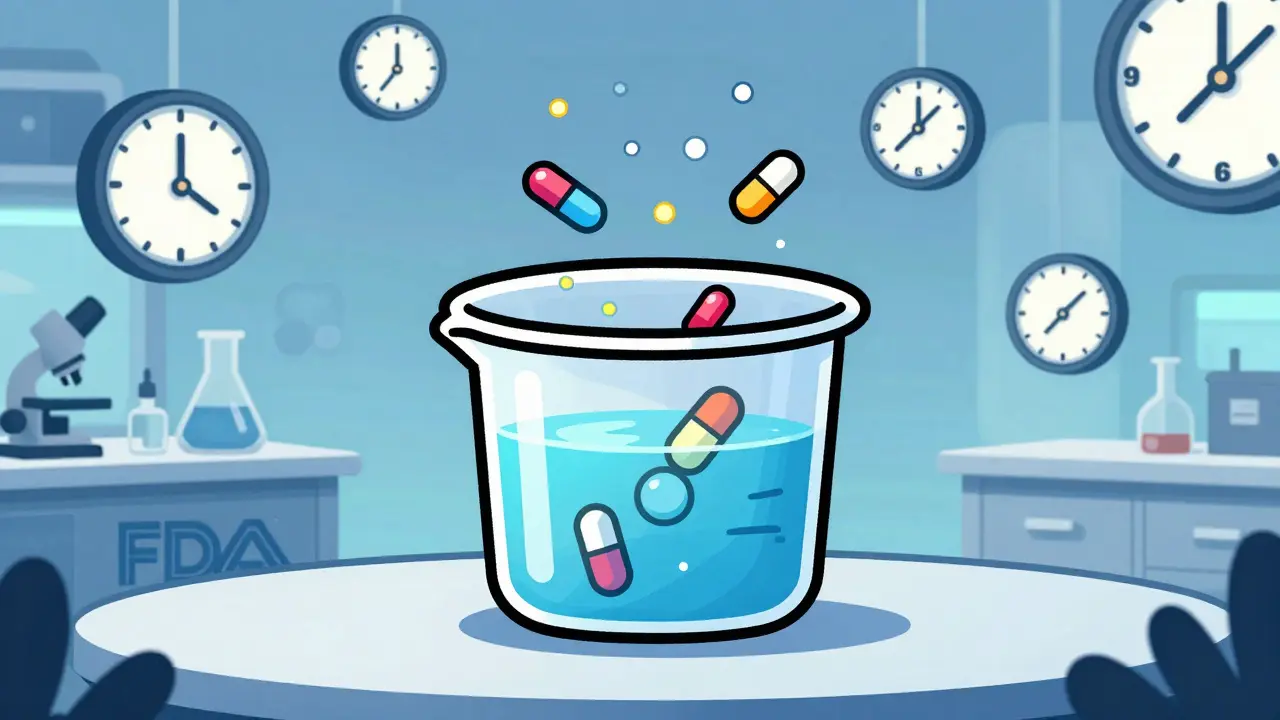
Dissolution Testing: How the FDA Ensures Generic Drug Quality
The FDA uses dissolution testing to ensure generic drugs release their active ingredients at the same rate as brand-name versions, replacing costly human studies with reliable lab tests. This method guarantees therapeutic equivalence without compromising safety.

Multicultural Perspectives on Generics: How Culture Affects Patient Trust and Adherence
Cultural beliefs about pill appearance, ingredients, and trust impact how patients use generic medications. Learn why color, gelatin, and religious needs affect adherence - and what’s being done to fix it.
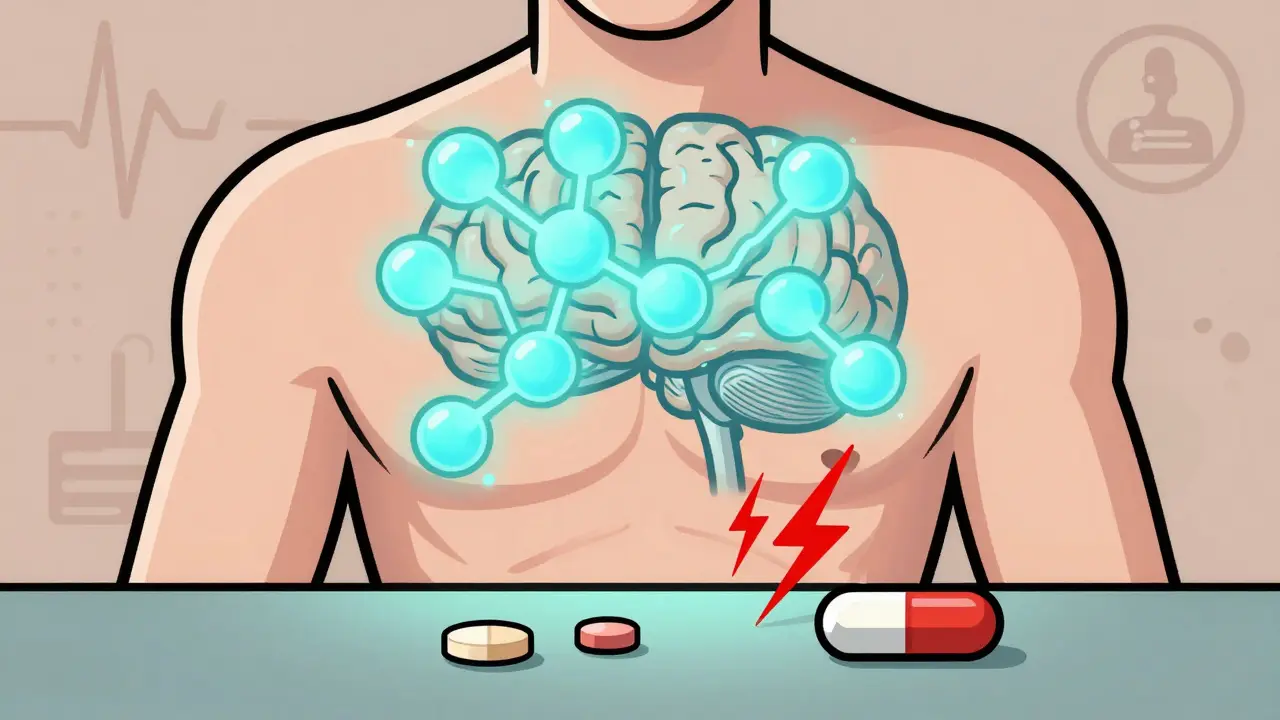
Antiemetics and Serotonergic Drugs: What You Need to Know About Serotonin Syndrome Risk
Ondansetron and other antiemetics can increase serotonin syndrome risk when combined with SSRIs or other serotonergic drugs. Learn who's most at risk, how to spot symptoms, and what safer alternatives exist.