
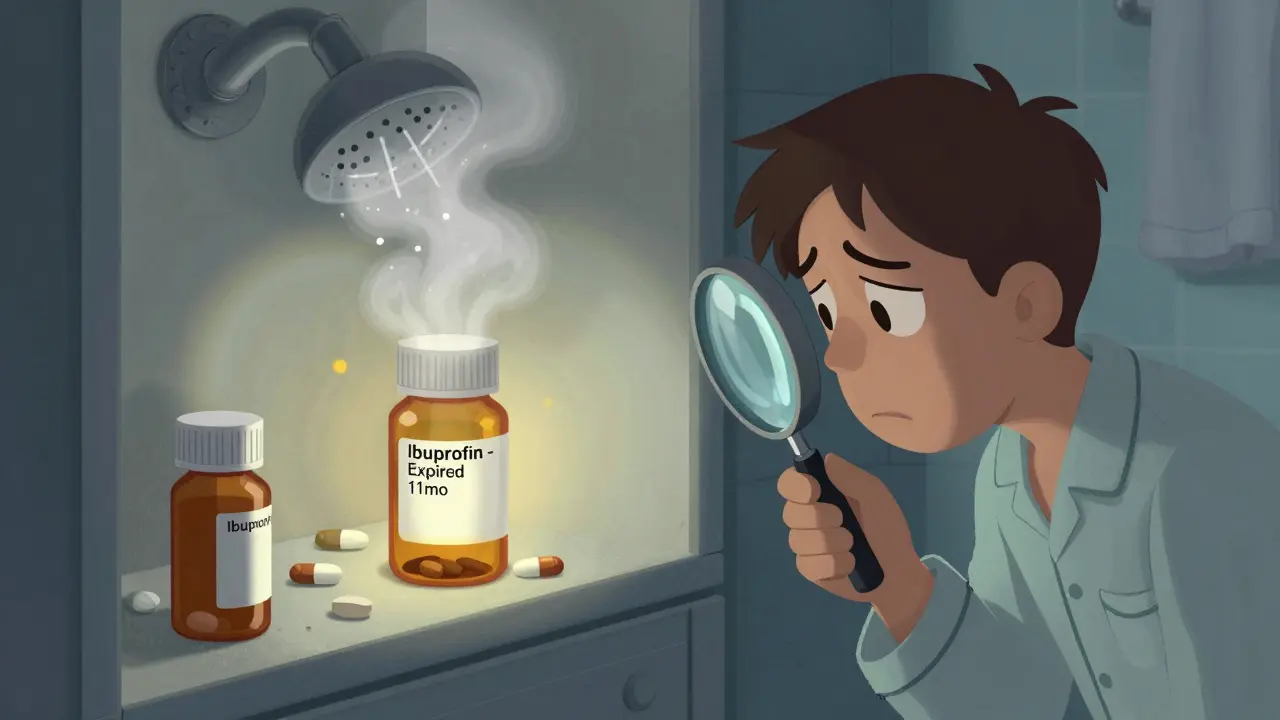
When you’re stuck with only expired medications and no alternatives, the question isn’t just expired medications - it’s how dangerous they really are. You might find an old bottle of ibuprofen in the back of your cabinet after a late-night headache. Or maybe you’re traveling and your insulin ran out. The expiration date is printed there for a reason, but what does it actually mean? And when is it okay - if ever - to use something past that date?
What Does an Expiration Date Really Mean?
The expiration date on your medicine isn’t a "use-by" date like milk. It’s the last day the manufacturer guarantees the drug will work as intended and remain safe under proper storage. This requirement started in the U.S. in 1979, and since then, most countries have followed similar rules. But here’s the catch: many drugs stay stable - and safe - for years after that date, especially if they’ve been kept cool, dry, and out of sunlight. The FDA says 90% of medications tested in their Shelf Life Extension Program were still effective up to 15 years past expiration. That’s not a guess. It’s based on real data from military stockpiles stored in controlled environments. But here’s where it gets messy: those are ideal conditions. Most people store meds in bathrooms or near windows. Humidity, heat, and light break down drugs faster than labs ever do.Not All Medications Are Created Equal
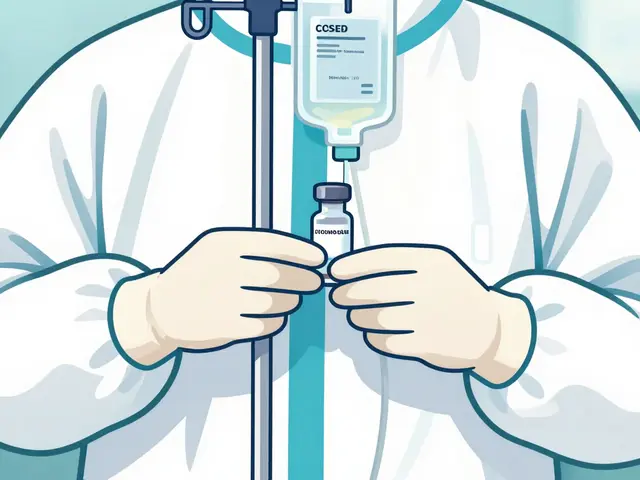
This is the most important part. Some expired meds are risky. Others? Maybe just less effective. The difference can be life or death. Never use expired versions of these:- Insulin
- Thyroid medications (like levothyroxine)
- Birth control pills
- Anti-platelet drugs (like aspirin or clopidogrel)
- Antibiotics (especially for serious infections)
- Injectables, eye drops, or liquid suspensions
What About Solid Pills Like Ibuprofen or Tylenol?
For pain relievers like Advil, Motrin, or Tylenol, the risk is lower - but not zero. Tylenol (acetaminophen) can lose up to 20% of its potency within 2-3 years after expiration. That means a 500mg pill might only deliver 400mg. For a mild headache, that’s probably fine. For a fever in a child? You might not get the full effect. Solid tablets, stored in a cool, dry place (like a bedroom drawer), tend to hold up better than capsules or liquids. If the pill looks normal - no cracks, discoloration, or strange smell - it’s likely still safe. But don’t assume it’s still strong.Storage History Matters More Than You Think
You might not know how your meds were stored. But it’s the biggest factor in how degraded they are. A study from the PMC journal found that pills kept in a bathroom medicine cabinet - where steam from showers creates constant humidity - degrade 37% faster than those kept in a cool, dry place. Heat from a car dashboard, sunlight through a window, or a hot attic can ruin drugs in months. If you don’t know the storage history, assume the worst. If the bottle was in a humid, warm place for years, don’t risk it - even if it’s just a month past expiration.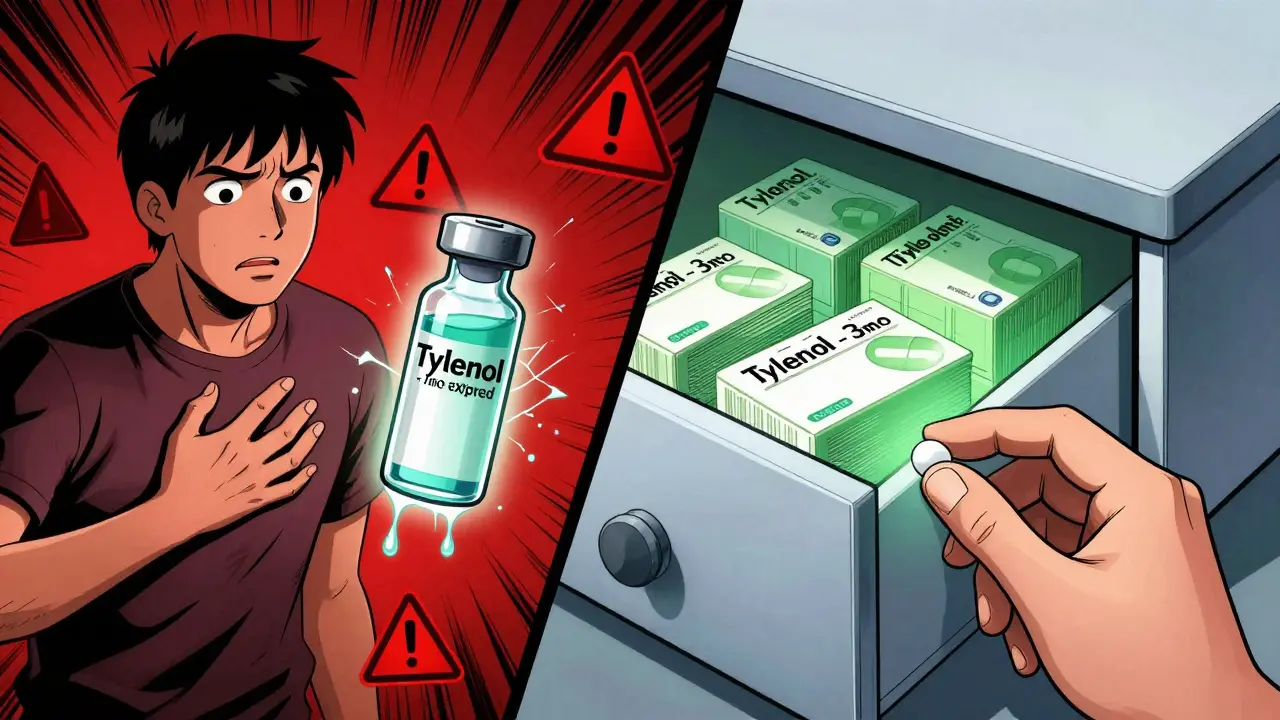
How to Inspect Expired Medication
If you’re forced to use an expired drug, check it like a doctor would:- Color: Yellowing, dark spots, or fading? Don’t use it.
- Texture: Is a tablet crumbling? Is a capsule sticky or melted? Throw it out.
- Smell: If it smells sour, chemical, or off - even slightly - it’s broken down.
- Particles: Any floating bits in liquids or suspensions? That’s contamination.
Time Since Expiration: The Rule of Thumb
There’s no universal rule, but here’s what experts suggest:- Less than 6 months past: For non-critical meds (like antihistamines or pain relievers), low risk if stored well and looks fine.
- 6-12 months past: Use only if absolutely necessary. Potency likely reduced.
- Over 12 months past: Avoid unless it’s a life-or-death emergency with no other option.
When Is It Okay to Use Expired Meds?
Only in three situations:- You have no access to any other medication.
- The condition is minor - like a headache, mild allergy, or temporary upset stomach.
- The drug is a solid tablet, stored properly, and shows no signs of damage.
Why This Is So Risky for Some People
Children, the elderly, and people with weakened immune systems are far more vulnerable. A slightly weaker antibiotic might not kill an infection in a 70-year-old - and that infection could turn deadly. A child with a fever needs precise dosing. Expired meds don’t guarantee that. The Washington State Department of Health found that 68% of emergency visits involving expired meds were linked to insulin or heart medications. These aren’t accidents - they’re preventable tragedies.What You Should Do Instead
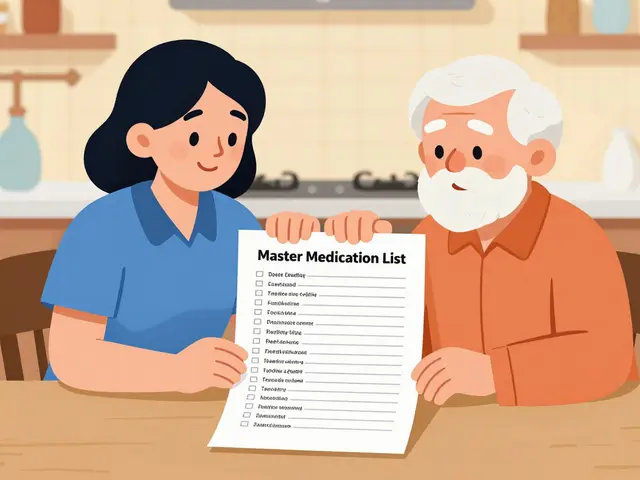
The best way to avoid this situation? Don’t let meds expire.- Check your medicine cabinet every 6 months.
- Throw out anything past its date - especially liquids, insulin, or antibiotics.
- Keep a small supply of essentials (pain relievers, antihistamines) and rotate them.
- Use pharmacy take-back programs. Don’t flush or toss meds in the trash.
What’s Coming Next?
The FDA is researching portable devices that could test drug potency at home - like a little scanner that tells you if your pill still works. But as of 2026, nothing like that is available to the public. Until then, your eyes, your common sense, and your knowledge of the drug type are your only tools.Final Rule: When in Doubt, Don’t Use It
No one wants to waste medicine. But risking your health over a $5 pill isn’t worth it. If you’re unsure - if the drug is for something serious, if it’s been stored poorly, if it’s been expired for over a year - don’t use it. Find help. Go to a clinic. Call a pharmacist. Even if you have to drive an hour. There’s always a better option than a gamble with your body.Is it safe to take expired painkillers like ibuprofen or Tylenol?
For solid tablets stored in a cool, dry place and expired less than a year ago, they’re usually safe - but likely less effective. Tylenol can lose up to 20% potency after expiration. If the pills look normal - no discoloration, odor, or crumbling - you can use them for minor pain. But don’t rely on them for serious conditions or if they’re more than 12 months past the date.
Can expired antibiotics still work?
No. Expired antibiotics may not kill the bacteria, leading to treatment failure and potentially creating antibiotic-resistant strains. Even if the pills look fine, their potency drops unpredictably. Using them for a serious infection is dangerous. Never use expired antibiotics unless it’s a life-or-death emergency with zero alternatives - and even then, seek help immediately.
What happens if I take expired insulin?
Taking expired insulin is extremely dangerous. It can lose potency quickly, leading to dangerously high or low blood sugar levels. Unlike painkillers, insulin requires precise dosing. Even a 10% drop in effectiveness can cause a medical emergency. Never use expired insulin. Replace it immediately - call a pharmacy, clinic, or emergency service if needed.
Are liquid medications more dangerous when expired?
Yes. Liquid meds - including cough syrups, eye drops, and injectables - can grow bacteria or break down into toxic chemicals after expiration. The CDC explicitly warns against using them past their date. Even if they look clear, they may be contaminated. Never use expired liquids unless under direct medical supervision in a life-threatening emergency.
Can I extend the expiration date of my meds?
No. Pharmacists and doctors cannot legally extend expiration dates. While the U.S. military has a program that tests and extends drug shelf life under strict conditions, this is not available to the public. No home test or method can reliably confirm if a drug is still potent. Always follow the printed date.
How do I properly dispose of expired medications?
Never flush or throw pills in the trash. Use a pharmacy take-back program - most pharmacies in Australia and the U.S. offer free disposal bins. If no program is available, mix pills with coffee grounds or cat litter in a sealed container before tossing. This prevents accidental ingestion and environmental harm.
Do expiration dates vary by country?
Yes. The U.S. and European Union have different testing standards, so the same drug may have different expiration dates depending on where it was made. The World Health Organization notes there’s no global standard. Always follow the date on the packaging you have - even if it’s from another country.
Should I keep an emergency supply of meds?
Yes - but rotate them. Keep a small stock of non-expiring essentials like pain relievers, antihistamines, and electrolyte powders. Check them every 6 months. Replace anything close to its date. Don’t hoard antibiotics or insulin - those need to be fresh. A well-maintained emergency kit prevents last-minute panic.


13 Comments
OMG YES!! I had this happen last winter-expired ibuprofen in my purse after a snowstorm, no pharmacy open, and my head felt like it was being hammered by a tiny troll?? Took it. Felt like a 6/10 relief but hey, I didn’t die!! 😅
It’s fascinating, really, how our cultural obsession with expiration dates mirrors our broader anxiety around control-death, decay, entropy-we want everything neatly labeled, dated, and contained, as if time were a linear highway and not the chaotic, recursive vortex it truly is. The pill doesn’t care about your calendar; it’s just molecules rearranging themselves in the quiet dark of your bathroom cabinet. What is ‘safe’ but a social contract written by pharmaceutical corporations who profit from your fear? And yet… we still obey.
I just… I can’t even. I had my grandma’s old insulin vial in the fridge for two years after she passed. I looked at it every day. Didn’t touch it. Couldn’t. That thing felt like a ghost. So yeah-I respect the date. Even if it’s just a month past. Some things aren’t worth the gamble.
Anyone who takes expired meds is either a fool or a hero. There’s no middle ground. You’re either trusting science or gambling with biology. And let’s be real-most people don’t even know how to store medicine properly. Your bathroom is a biological hazard zone. Stop treating your meds like collectible action figures.
Great breakdown. I’d just add that for solid tablets-like aspirin or acetaminophen-if they’ve been stored in a cool, dry drawer and show no visible degradation, they’re likely safe for non-critical use within 1–2 years past expiration. But if you’re treating a child, elderly person, or chronic condition? Don’t risk it. Potency loss is unpredictable, and consequences aren’t. Always prioritize safety over savings.
so i took my expired tylenol for my toothache last week and it kinda worked?? like 70%?? but my buddy said it coulda killed me?? idk man i just want the pain to stop
Typical american panic. In India, we use expired meds all the time. The real danger is not the pill-it’s your weak will to survive. If you can’t handle a 2-year-old ibuprofen, maybe you shouldn’t be alive.
And what about the environmental cost?? Throwing out perfectly good pills? The planet is dying, and you’re worried about a date on a bottle??
Did you even read the FDA’s Shelf Life Extension Program data? 90% efficacy after 15 years? You’re acting like expired meds are radioactive waste. The real issue is that pharma companies make more money when you buy new ones. Wake up. This is corporate manipulation disguised as safety.
Stop overthinking it. If it’s a solid pill, no weird smell, no discoloration, and it’s under a year past? Use it. If it’s insulin, liquid, or antibiotics? Toss it. Done. No philosophy needed. Just common sense.
While the data on pharmaceutical stability is compelling, the ethical responsibility lies not in the chemistry of the compound, but in the potential for harm to vulnerable populations. The risk-benefit calculus must account for societal inequity: those without access to healthcare are often forced into these decisions. We must advocate for systemic solutions-not just individual risk assessments.
Let me tell you something-I’ve been a paramedic for 18 years. I’ve seen people take expired antibiotics and end up in septic shock because they thought "it’s just a little old." That’s not bravery. That’s playing Russian roulette with your microbiome. The bacteria don’t care about your budget-they just want to multiply. Don’t be the reason we lose another antibiotic.
Thank you for this thoughtful, well-researched piece. I’ve shared it with my aging parents. The section on storage conditions was eye-opening-we kept everything in the bathroom for years. We’ve moved our meds to a drawer now. Small change, big difference.