
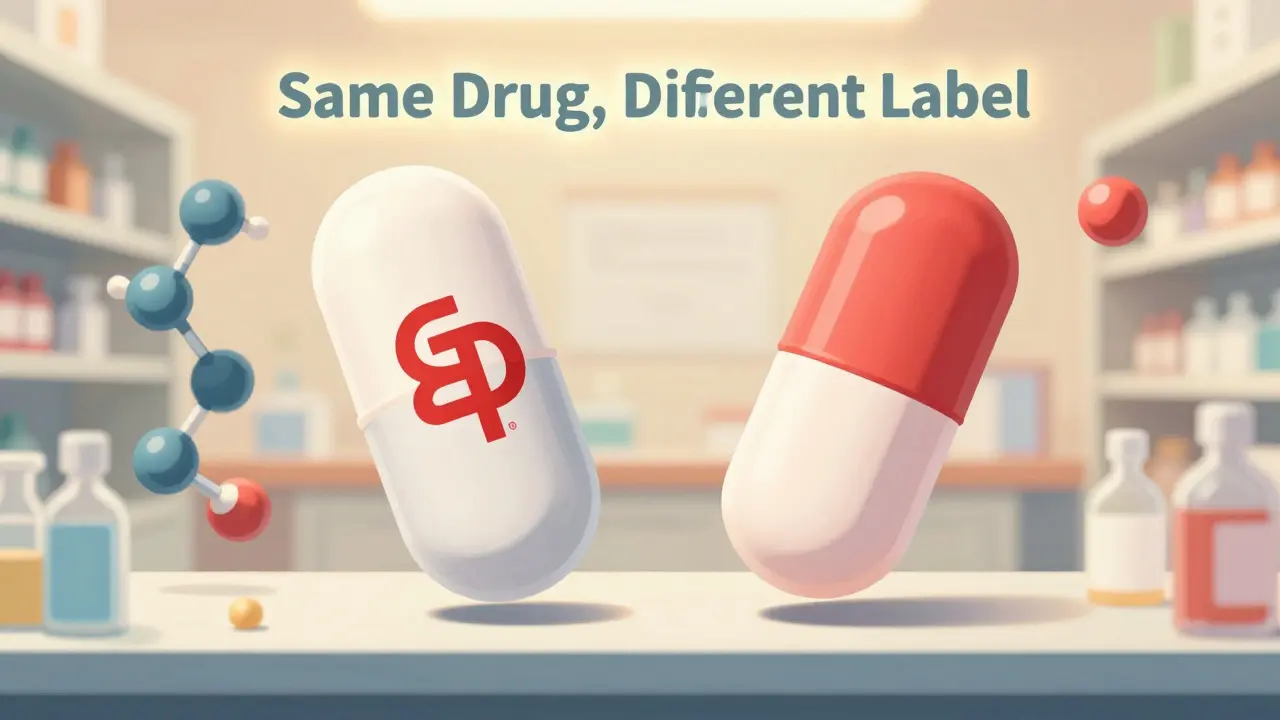
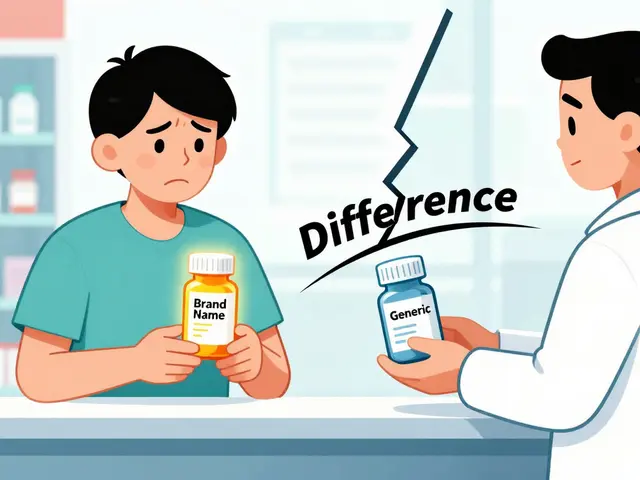
Have you ever picked up a prescription and noticed the pill looks different-maybe a different color or shape-but the name on the box is the same as your usual brand? You might have thought, "Is this the same thing?" The answer is yes, and here’s why: you’re probably holding an authorized generic.
Authorized generics are not a new kind of drug. They’re not a knockoff. They’re not a cheaper version made by a different company. They’re the exact same pill, made by the same factory, using the same ingredients, packed in different packaging, and sold under a generic label. Think of it like buying a soda from the same factory but without the brand logo on the can. Same drink. Different label.
How Authorized Generics Are Made
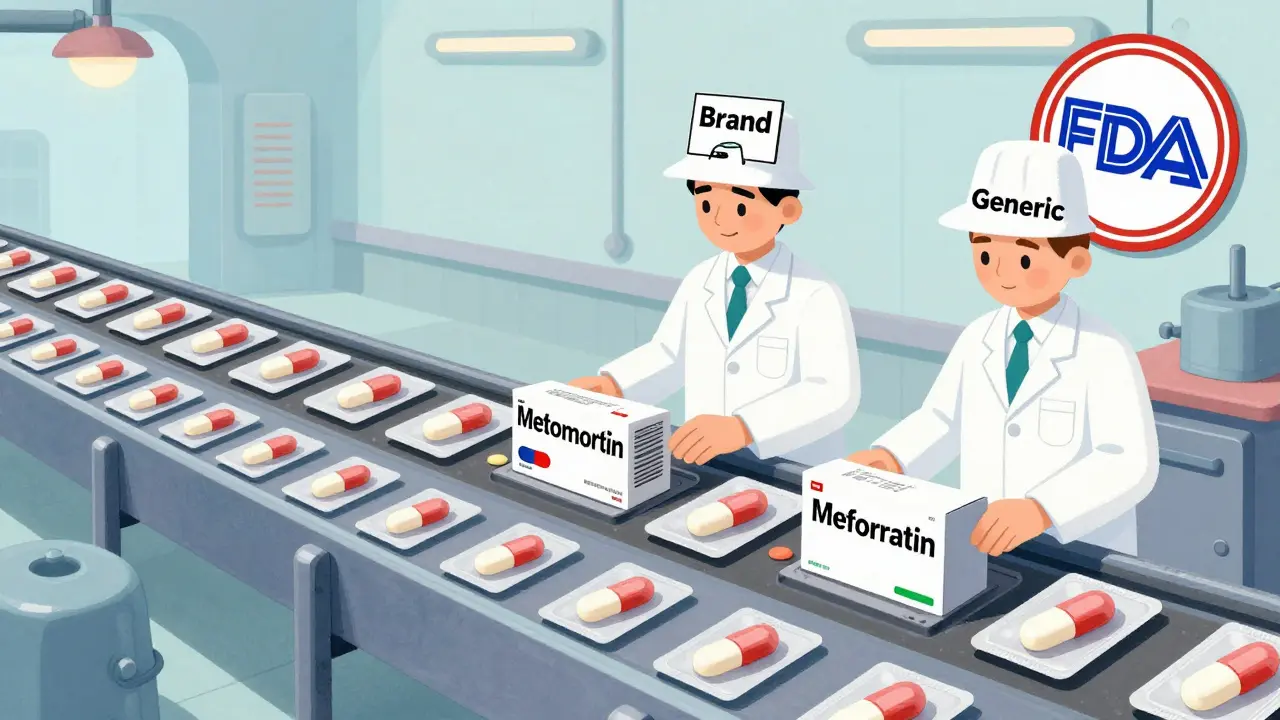
When a brand-name drug company like Pfizer or Merck develops a new medicine, they file a New Drug Application (NDA) with the FDA. This gives them exclusive rights to sell that drug for a set number of years-usually 10 to 12-while they recoup their research costs. Once that period ends, other companies can apply to make generic versions using an Abbreviated New Drug Application (ANDA). But here’s the twist: the original brand company can also make their own generic version.
They don’t need to re-prove the drug works. They don’t need to run new clinical trials. They just slap a generic label on the exact same pills they’ve been selling under the brand name and start selling them at a lower price. This is an authorized generic. It’s still made under the original NDA. The FDA doesn’t require a new approval. They just need to be notified.
Companies like Greenstone (a Pfizer subsidiary) and Prasco (owned by Procter & Gamble) exist mostly to produce authorized generics. They’re not generic drug makers-they’re brand-name companies wearing a different hat.
Authorized Generics vs. Traditional Generics
Not all generics are the same. Here’s how they differ:
- Authorized generics: Identical to the brand-name drug in every way-active ingredients, inactive ingredients, shape, size, coating, and even the manufacturing process. The only difference is the label.
- Traditional generics: Must contain the same active ingredient and meet bioequivalence standards, but they can have different inactive ingredients (like fillers or dyes), different shapes, or different coatings. These changes can affect how the pill looks or how it dissolves in your stomach, even if the effect is the same.
- Brand-name drugs: Sold under the original patent-protected name, with the original packaging and branding.
Because authorized generics are made on the same production line as the brand-name version, they’re more likely to be identical in how they work in your body. Traditional generics, while safe and effective, can vary slightly due to different manufacturing processes or inactive ingredients.
Why Authorized Generics Exist
The Hatch-Waxman Act of 1984 created the modern generic drug market. It gave the first generic company to challenge a patent a 180-day exclusivity period to sell their version without competition. That was meant to encourage companies to take the risk of suing big pharma to bring down drug prices.
But brand-name companies didn’t sit back. They saw a loophole. Instead of letting a competitor capture that 180-day window, they launched their own authorized generic right at the same time. Now, instead of one generic company getting all the sales, two versions are on the shelf: the traditional generic and the authorized one-both made by the same company.
This strategy cuts prices for consumers, but it also reduces the financial reward for the first generic challenger. Critics say this undermines the whole point of the Hatch-Waxman Act. Supporters argue it gives patients faster access to lower-cost versions of drugs.
What You’ll See on the Label
When you get an authorized generic, you might notice:
- The pill is a different color or shape than the brand version.
- The name on the bottle says "generic" or just the chemical name (like "metformin") instead of "Glucophage".
- The manufacturer name is different-maybe "Greenstone" or "Prasco" instead of "Pfizer".
But here’s the key: if you look up the pill’s imprint code (the letters or numbers stamped on it), you’ll find it matches the brand-name version exactly. That’s because it’s the same pill.
Pharmacists sometimes get confused too. Authorized generics don’t show up in the FDA’s Orange Book-the official list of approved generic drugs. That means if a pharmacist checks that list to confirm therapeutic equivalence, they won’t find it. They have to rely on the FDA’s separate List of Authorized Generic Drugs, which is less known and harder to access.
Are Authorized Generics Safe?
Yes. The FDA treats them as therapeutically equivalent to the brand-name drug. In fact, they’re more likely to be identical than traditional generics because they come from the same source.
Patients who switch from brand to authorized generic rarely notice a difference. There’s no evidence they work differently. No increased side effects. No drop in effectiveness.
Some people report feeling strange when they get a pill that looks different-even if it’s chemically identical. That’s psychology, not pharmacology. But if you’ve had a bad experience with a traditional generic in the past, switching to an authorized generic might feel more reassuring.
Why You Should Ask for Them
Authorized generics are often priced between brand-name drugs and traditional generics. Sometimes they’re even cheaper than the traditional generic because the brand company is trying to undercut its own competition.
If you’re on a long-term medication-like blood pressure pills, statins, or diabetes drugs-ask your pharmacist: "Is there an authorized generic available?"
They might not know right away. But if you mention the brand name, they can check the FDA’s list. You could save 30% to 60% off the brand price, with no trade-off in quality.
What’s Next for Authorized Generics?
As more blockbuster drugs lose patent protection-like Humira, Eliquis, and Xarelto-authorized generics are becoming more common. In 2023, over 100 authorized generics were on the U.S. market. That number keeps growing.
Some lawmakers have tried to close the loophole, arguing it weakens the incentive for generic companies to challenge patents. But so far, the FDA continues to recognize them. The market has adapted. Patients are saving money. And manufacturers are using them to stay competitive.
The bottom line? If you’re paying full price for a drug that’s been on the market for years, an authorized generic could be the smartest choice you make at the pharmacy counter.
Are authorized generics the same as brand-name drugs?
Yes. Authorized generics contain the exact same active and inactive ingredients, are made in the same facility, and follow the same manufacturing process as the brand-name drug. The only differences are the label, packaging, and sometimes the color or shape of the pill.
Why do authorized generics cost less than brand-name drugs?
They cost less because they’re sold without the brand-name marketing, advertising, and patent protection costs. The manufacturer doesn’t need to recoup R&D expenses, so they can price them closer to traditional generics-even though they’re identical to the brand.
Can I trust authorized generics as much as brand-name drugs?
Absolutely. The FDA considers them therapeutically equivalent. Since they’re made by the same company using the same formula and production line, they’re often more consistent than traditional generics, which may use different fillers or manufacturing methods.
Why aren’t authorized generics listed in the FDA’s Orange Book?
Because they’re marketed under the brand’s original New Drug Application (NDA), not a separate Abbreviated New Drug Application (ANDA). The Orange Book only lists drugs approved through the ANDA process. Authorized generics are tracked separately in the FDA’s List of Authorized Generic Drugs.
How do I know if my prescription is an authorized generic?
Check the label for the manufacturer name. If it’s Greenstone, Prasco, or Patriot, it’s likely an authorized generic. You can also ask your pharmacist to check the FDA’s list using the brand name of your drug. The pill’s imprint code should match the brand-name version exactly.

10 Comments
This is wild. I had no idea my generic metformin was literally the same pill as Glucophage. Just a different label. I’ve been saving cash for years without even knowing I was getting the exact same thing. Mind blown. 🤯
I love this. It’s like buying a Ferrari but with no logo on the hood. Still accelerates like hell, still smells like leather, still makes your neighbors stare. The only difference? You’re not paying for the hype. 🚗💨
I switched to an authorized generic for my blood pressure med and cried. Not because I was sad-because I saved $120 a month. I bought myself a massage with that money. I’m healing my body AND my soul. 💕
The real philosophical twist here is that identity is a construct. If a pill tastes the same, works the same, and is made in the same factory-then why does the label matter? The brand is a social contract. The medicine? That’s truth. 🤔
While this may appear beneficial, one must consider the systemic implications. The Hatch-Waxman Act was designed to foster competition through market entry by independent generics. By permitting brand manufacturers to preemptively deploy authorized generics, the structural incentive for patent challenges is effectively neutralized. This is not innovation-it is regulatory arbitrage.
So let me get this straight: Big Pharma makes the drug, then makes a cheaper version of itself to undercut the real generics? That’s not capitalism. That’s corporate judo. They’re not lowering prices-they’re monopolizing the discount. And pharmacists? They’re left in the dark because the FDA’s list is buried under five layers of bureaucracy. This isn’t transparency. It’s a loophole dressed in a lab coat.
I appreciate the clarity of this explanation. Many patients assume generics are inferior, but the reality is far more nuanced. Authorized generics represent an elegant solution: maintaining quality while reducing cost. The distinction between active and inactive ingredients is critical, and this post highlights it well. Well-researched and well-presented.
Ask your pharmacist. Always. You could be saving hundreds a year. No magic. Just facts. Do it.
Thank you for this meticulously detailed and profoundly important piece of information. It is imperative that patients are empowered with knowledge regarding their pharmaceutical options. The distinction between authorized and traditional generics is not merely a regulatory nuance-it is a matter of economic justice and health equity. I encourage all healthcare providers to integrate this awareness into routine patient education protocols.
I just checked my last prescription-yep, it’s Greenstone. 😍 I thought I was getting a cheap knockoff. Turns out I got the real deal, just without the fancy packaging. Saved $80 this month. I’m treating myself to tacos tonight. 🌮💖 P.S. My cat approved. She’s been purring extra loud since I started saving.