
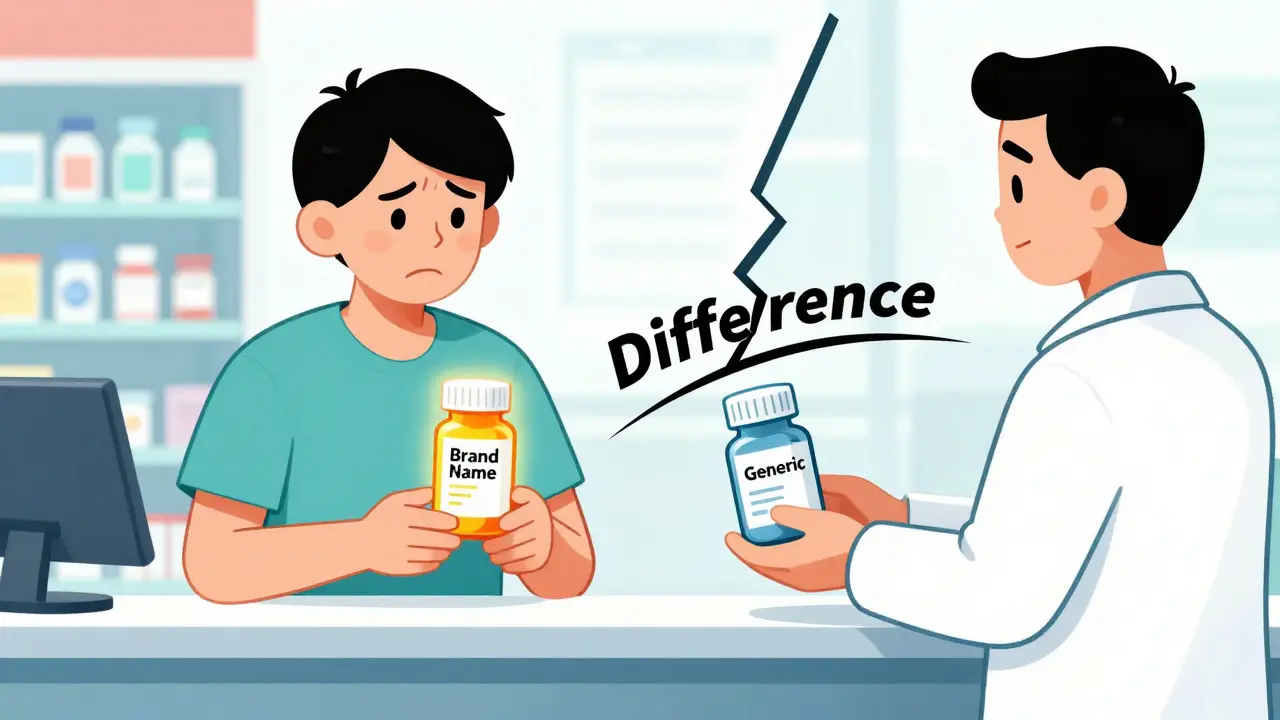
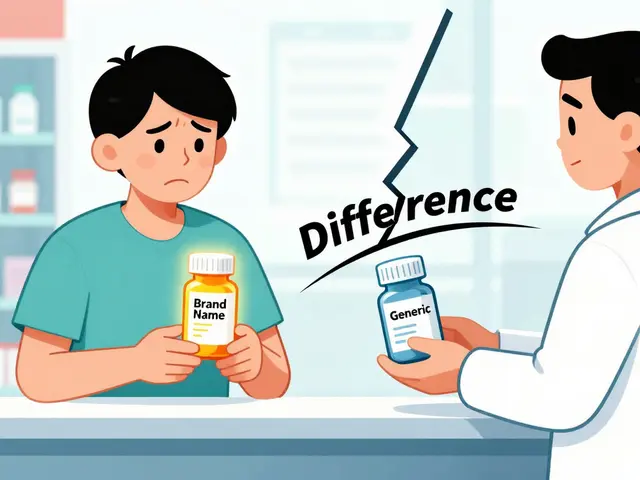
You've been taking a medication for years, and it works perfectly. Then, your pharmacy switches you to a generic version to save costs. Suddenly, your symptoms return, or you start feeling side effects you've never had before. Is it your body changing, or is the medicine different? This is the core of therapeutic failure-when a drug fails to produce the expected clinical response despite the patient following the prescription correctly.
While generics are designed to be identical in effect to brand-name drugs, the reality of global manufacturing means "identical" has a bit of a margin of error. For most people, this doesn't matter. But for others, that margin is the difference between health and a hospital visit. Understanding why this happens is a critical part of safety monitoring in modern healthcare.
The Bioequivalence Gap: The 80-125% Rule
To get a generic drug approved, the FDA the United States Food and Drug Administration requires proof of bioequivalence. This doesn't mean the drug is a perfect clone; it means the amount of the drug that reaches your bloodstream is "close enough." Specifically, the FDA allows a confidence interval of 80-125% for the area under the curve (AUC) and maximum concentration (Cmax).
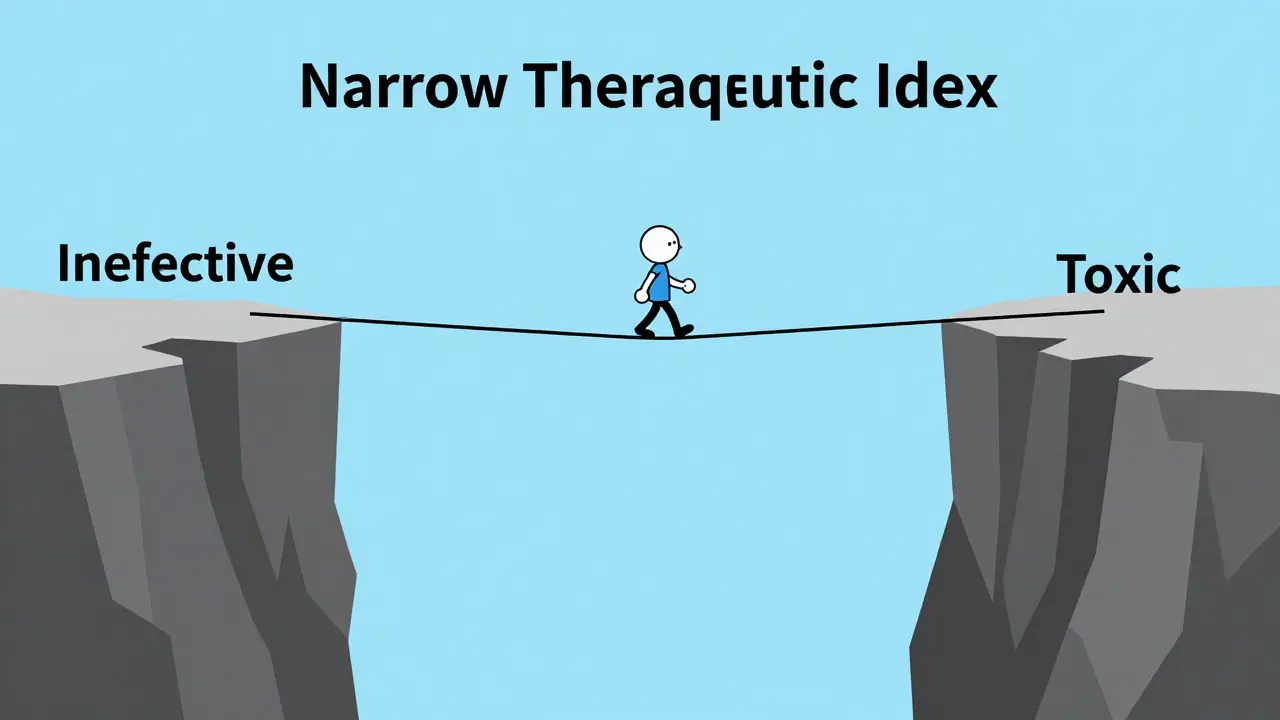
In plain English? A generic's absorption could theoretically be 20% lower or 25% higher than the brand-name version. For a common headache pill, a 20% difference is negligible. But for medications where the line between a healing dose and a toxic dose is razor-thin, this gap is dangerous. These are known as Narrow Therapeutic Index (NTI) drugs where small changes in dosage or blood concentration can lead to significant changes in clinical effect or toxicity drugs.
| Drug Category | Standard Acceptance Range | Risk Level |
|---|---|---|
| Standard Generics | 80% - 125% | Low to Moderate |
| NTI Drugs (e.g., Warfarin) | 90% - 111% | High (Toxicity/Failure Risk) |
Where the Chain Breaks: Manufacturing and Quality
The "therapeutic chain" describes a drug's life from the lab to the patient's bedside. Failures can happen anywhere, but manufacturing is a major culprit. Research shows that about 31% of deficiencies in generic applications stem from manufacturing issues. This often boils down to how the API Active Pharmaceutical Ingredient, the chemically active part of a drug is handled.
Consider the "recipe" of the drug. While the API must be the same, the inactive ingredients (excipients) can vary. In 2013, the FDA withdrew approval for Budeprion XL (a generic for Wellbutrin) because the inactive ingredients changed how the drug was released in the body. If the drug dissolves too fast, you get a spike in toxicity; too slow, and it never reaches a therapeutic level in your blood.
We also see issues with chemical degradation. APIs can break down through hydrolysis (common in humid climates), oxidation, or photolysis (light damage). When this happens, a pill might contain significantly less than the labeled dose. Some quality tests have found generics containing less than 88% of the stated active ingredient, which effectively means the patient isn't getting the medicine they were prescribed.
Real-World Consequences of Generic Failure
When a generic fails, it isn't just a technicality-it's a clinical crisis. In the world of oncology, inconsistent active ingredients in chemotherapy drugs for breast or leukemia cancers have been described as "doing nothing" or, worse, causing severe organ damage. Doctors have reported patients suddenly becoming unresponsive to treatments they had previously tolerated well.
Another example is the risk of organ rejection. Patients who have received transplants rely on precise dosing of immunosuppressants like tacrolimus. If a generic version fails to release the medication at the correct rate, the body may begin to attack the new organ, leading to shortness of breath, heart failure, or death.
Even common blood pressure medications have faced issues. Recalls of Valsartan an angiotensin II receptor blocker used to treat high blood pressure occurred after the discovery of nitrosamine contaminants. These aren't "failures" of efficacy, but safety failures that prove the complexity of monitoring a global supply chain.
The Role of Middlemen and Market Pressure
Why does this happen? The generic market is worth roughly $400 billion, and the pressure to keep costs low is immense. Pharmacy Benefit Managers (PBMs) and other middlemen often push for the cheapest generic available, regardless of which manufacturer has the most consistent stability data. This lack of transparency creates a system where profit margins can outweigh the need for stringent quality control.
In countries with less regulatory oversight, the problem is magnified. Without strict enforcement of stability tests or health professional training, the chance of a therapeutic failure increases. When you combine a global supply chain with varying standards of quality control, the result is a lottery where some patients get a perfect drug and others get a sub-potent pill.
How to Spot a Therapeutic Failure
If you suspect your generic isn't working, don't just assume your condition is worsening. Look for these red flags:
- Sudden Return of Symptoms: Your condition was stable for months or years, but symptoms spiked immediately after a pharmacy switch.
- New, Unexpected Side Effects: You've taken the same chemical for years, but the generic version causes nausea, dizziness, or rashes you never had with the brand.
- Reduced Efficacy: Your blood tests (like INR for warfarin or blood glucose for diabetes) are suddenly out of range despite no change in your diet or lifestyle.
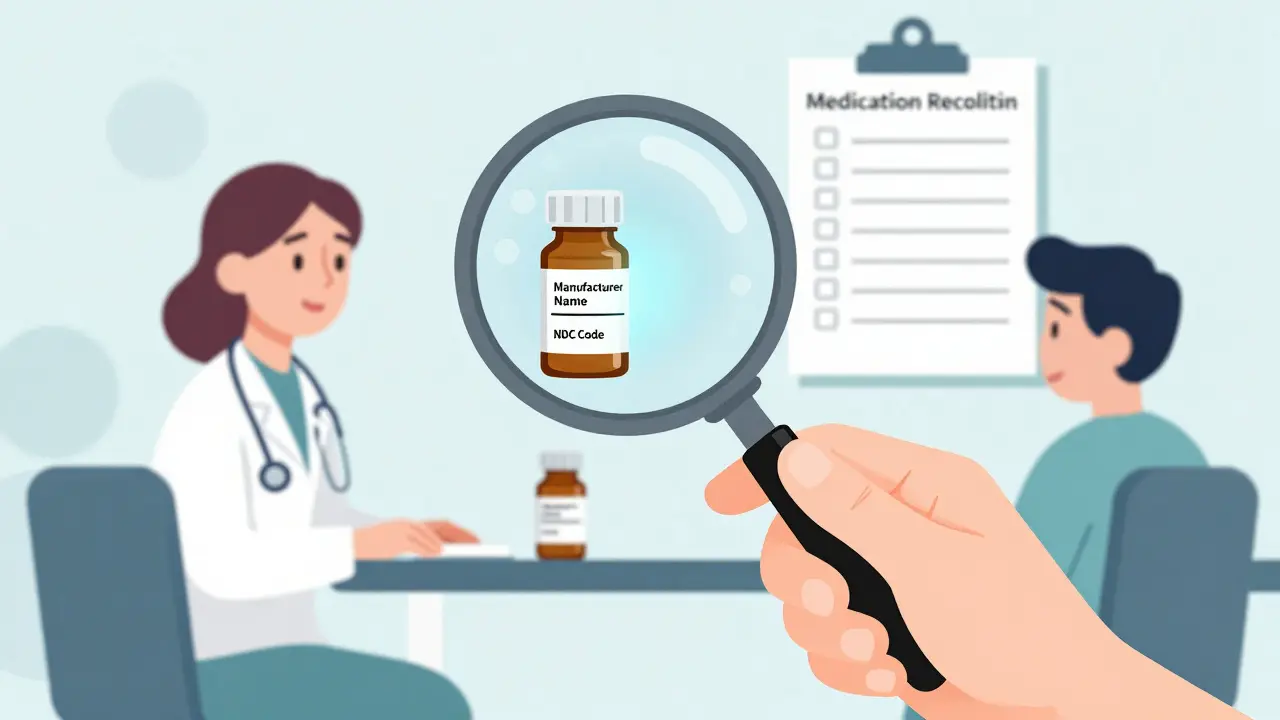
If you notice these, perform a medication reconciliation. Note the manufacturer's name and the NDC (National Drug Code) on your bottle. If a switch coincides with a failure, talk to your doctor about "dispense as written" (DAW) orders to ensure you stay on a specific, reliable brand or generic manufacturer.
Are all generic drugs unsafe?
No. The vast majority of generic drugs are bioequivalent and work exactly like brand-name versions. The issue primarily affects a small percentage of medications, particularly those with a Narrow Therapeutic Index (NTI) or those manufactured under poor quality controls.
What is an NTI drug?
NTI stands for Narrow Therapeutic Index. These are drugs where the difference between a dose that works and a dose that is toxic is very small. Examples include warfarin, digoxin, and phenytoin. For these, even a small variation in a generic's strength can be dangerous.
Can a generic be "too strong"?
Yes. While most failures involve too little active ingredient, some generics can contain more than 112% of the labeled dose or dissolve too quickly, which can lead to overdose symptoms or toxic side effects.
How can I make sure I get the same generic every time?
You can ask your doctor to write "Dispense as Written" (DAW) on your prescription. This tells the pharmacist to provide the specific brand or generic manufacturer you have already found successful with, rather than whatever the pharmacy's current cheapest contract is.
Why does the FDA allow a 20-25% difference in absorption?
For most drugs, a small variation in absorption doesn't change the clinical outcome because the body has a wide window of safety. However, critics argue this range is too broad for high-risk medications, which is why stricter 90-111% limits are used for NTI drugs.
Next Steps for Patients and Providers
For patients, the best defense is documentation. Keep a log of which manufacturer you are using and how you feel. If you notice a change, don't wait for your next quarterly check-up-report it to your pharmacist and doctor immediately.
For healthcare providers, the goal is to recognize the difference between disease progression and therapeutic failure. When a patient's condition destabilizes, check if their medication was substituted. Switching a patient back to a known-effective brand can provide the evidence needed to confirm that the generic was the problem.

Write a comment