
SGLT2 Inhibitor: How These Diabetes Drugs Work and What You Need to Know
When your body can’t use insulin well, a SGLT2 inhibitor, a class of oral diabetes medications that block glucose reabsorption in the kidneys. Also known as gliflozins, these drugs don’t rely on insulin to work—they simply help your kidneys flush out extra sugar through urine. That’s why they’re used for type 2 diabetes, especially when other meds like metformin aren’t enough—or when you need extra heart or kidney protection.
SGLT2 inhibitors like empagliflozin, a specific SGLT2 inhibitor shown to reduce heart failure hospitalizations in people with diabetes, dapagliflozin, another SGLT2 inhibitor linked to slower kidney disease progression, and canagliflozin, a drug that lowers both blood sugar and cardiovascular risk in high-risk patients aren’t just glucose-lowering tools. They’ve been proven in large studies to cut the risk of heart failure, slow kidney damage, and even reduce the chance of dying from heart-related causes. That’s rare for a diabetes drug. They also help with weight loss—most users drop 5 to 10 pounds over time because they’re peeing out calories.
But they’re not without risks. The same mechanism that helps lower blood sugar can lead to dehydration, urinary tract infections, or a rare but serious condition called diabetic ketoacidosis—even when blood sugar isn’t super high. People with kidney problems need careful monitoring, since these drugs work best when kidneys are still functioning well. And if you’re on other diabetes meds like insulin or sulfonylureas, your doctor might need to adjust doses to avoid low blood sugar.
What you’ll find in the posts below are real-world stories and clear explanations about how these drugs interact with other treatments, what side effects to watch for, and how they fit into broader diabetes care. You’ll see how they connect with insulin use, why some people stop them due to infections, and how diet and kidney health play into their effectiveness. This isn’t just about the drug—it’s about how it changes daily life, long-term outcomes, and what to ask your doctor if you’re considering one.
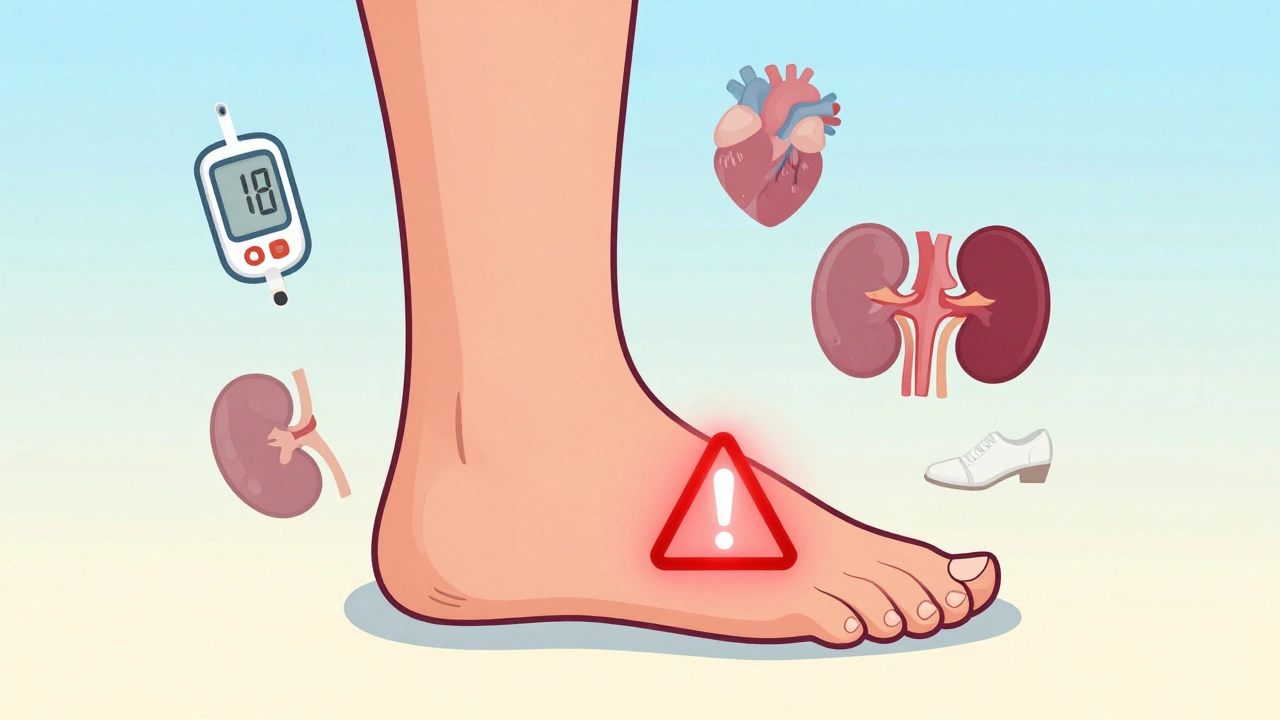
Canagliflozin and Amputation Risk: What You Need to Know Now
Canagliflozin increases the risk of foot and leg amputations in certain people with diabetes. Learn who’s at risk, how to prevent complications, and how this drug compares to other SGLT2 inhibitors like Jardiance and Farxiga.