
Metformin Interactions: What You Need to Know Before Taking It
When you take metformin, a first-line medication for type 2 diabetes that helps lower blood sugar by reducing liver glucose production and improving insulin sensitivity. It's one of the most prescribed drugs in the world, but it doesn't play well with everything. Many people don’t realize that even harmless-seeming supplements, over-the-counter pain relievers, or common antibiotics can change how metformin works—or make side effects worse.
One of the biggest concerns is how metformin interacts with kidney function, the body’s main way of clearing metformin from the system. If your kidneys aren’t working right, metformin can build up and lead to a rare but serious condition called lactic acidosis. That’s why doctors check your kidney numbers before and during treatment. It’s not just a formality—it’s a safety net. Also, contrast dyes, used in CT scans and other imaging tests, can temporarily harm kidney function. If you’re scheduled for one, your provider will likely tell you to hold metformin for a day or two. Don’t skip that step.
Then there’s alcohol, a silent partner in metformin risks. Drinking while on metformin doesn’t just make you feel worse the next day—it raises your chance of lactic acidosis. Even one or two drinks can be risky, especially if you’re older or have liver issues. And don’t assume "light" drinking is safe. It’s not. Other drugs like cimetidine, a common heartburn medicine, can block metformin clearance too. You might not think of it as a drug interaction, but it is. Same with some diuretics, steroids, and thyroid meds—they all nudge your blood sugar or kidney filters in ways that change metformin’s safety profile.
What you’ll find below are real, practical posts that break down exactly how metformin plays with other drugs, supplements, and health conditions. No fluff. No guesswork. Just clear answers about what to avoid, what to watch for, and how to talk to your doctor about it. Whether you’re on metformin now, thinking about starting it, or helping someone who is, these articles give you the facts you need to stay in control—and safe.
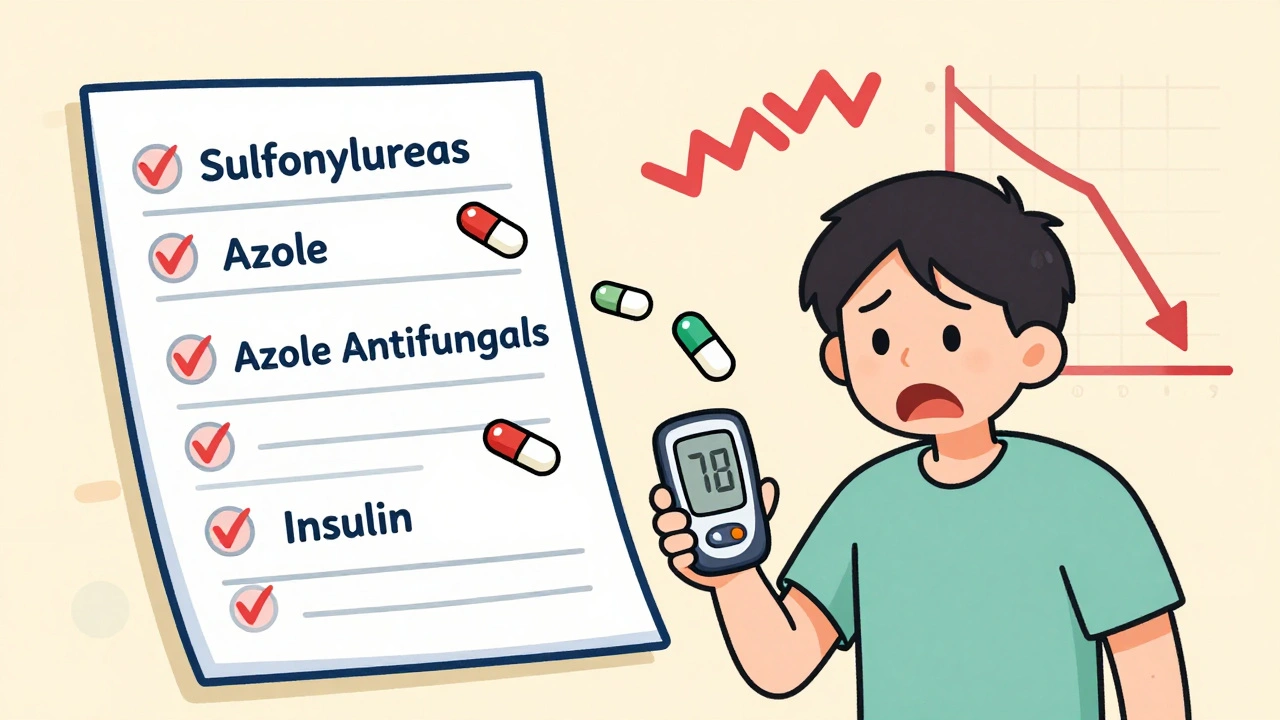
Diabetes Medication Interactions: Dangerous Drug Combinations to Avoid
Certain diabetes drug combinations can cause dangerous drops or spikes in blood sugar. Learn the top risky pairs, how to avoid them, and what safer options exist in 2025.