
Hypoglycemia Risk: What Causes It and How to Stay Safe
When your blood sugar drops too low, you’re facing hypoglycemia risk, a condition where glucose levels fall below 70 mg/dL, triggering symptoms like shakiness, confusion, sweating, or even loss of consciousness. Also known as low blood sugar, it’s not just a nuisance—it can be life-threatening if ignored. This isn’t something that only happens to people with type 1 diabetes. Even those managing type 2 with certain medications are at high risk, especially if they skip meals, over-exercise, or take too much insulin.
One of the biggest culprits behind this danger is sulfonylureas, a class of oral diabetes drugs like glyburide and glipizide that force the pancreas to pump out more insulin. These drugs don’t care if you’ve eaten—they keep pushing insulin into your bloodstream, even when your body doesn’t need it. That’s why hypoglycemia risk is so high with sulfonylureas compared to newer diabetes medications. Another major source is insulin pump therapy, a system that delivers continuous insulin through a small device. If your basal rate is set too high, or if you miscalculate a bolus for carbs, your blood sugar can crash fast—sometimes before you even feel symptoms.
It’s not just about the drugs. Timing matters. Taking medication without eating, drinking alcohol on an empty stomach, or exercising harder than usual can all tip the scales. Older adults are especially vulnerable because their bodies don’t release counter-hormones like glucagon as quickly to raise blood sugar. And here’s the scary part: some people lose the warning signs over time. They no longer feel shaky or sweaty when their sugar drops—this is called hypoglycemia unawareness, and it’s one of the most dangerous complications of long-term diabetes.
Knowing your triggers isn’t enough—you need a plan. Keep fast-acting carbs like glucose tablets or juice handy. Teach family members or coworkers how to help if you pass out. Check your blood sugar before driving or operating machinery. And if you’re on insulin or sulfonylureas, talk to your doctor about switching to a safer option if you’ve had more than one episode of low blood sugar in the past year. The right medication, the right habits, and the right awareness can turn hypoglycemia risk from a constant fear into a manageable part of your daily life.
Below, you’ll find real-world guides that break down exactly how these risks show up in daily life—from insulin pump settings that can accidentally cause crashes, to how sulfonylureas silently lower your blood sugar, to what to do when your body stops warning you. These aren’t theory pieces. They’re tools built by people who’ve lived through it.
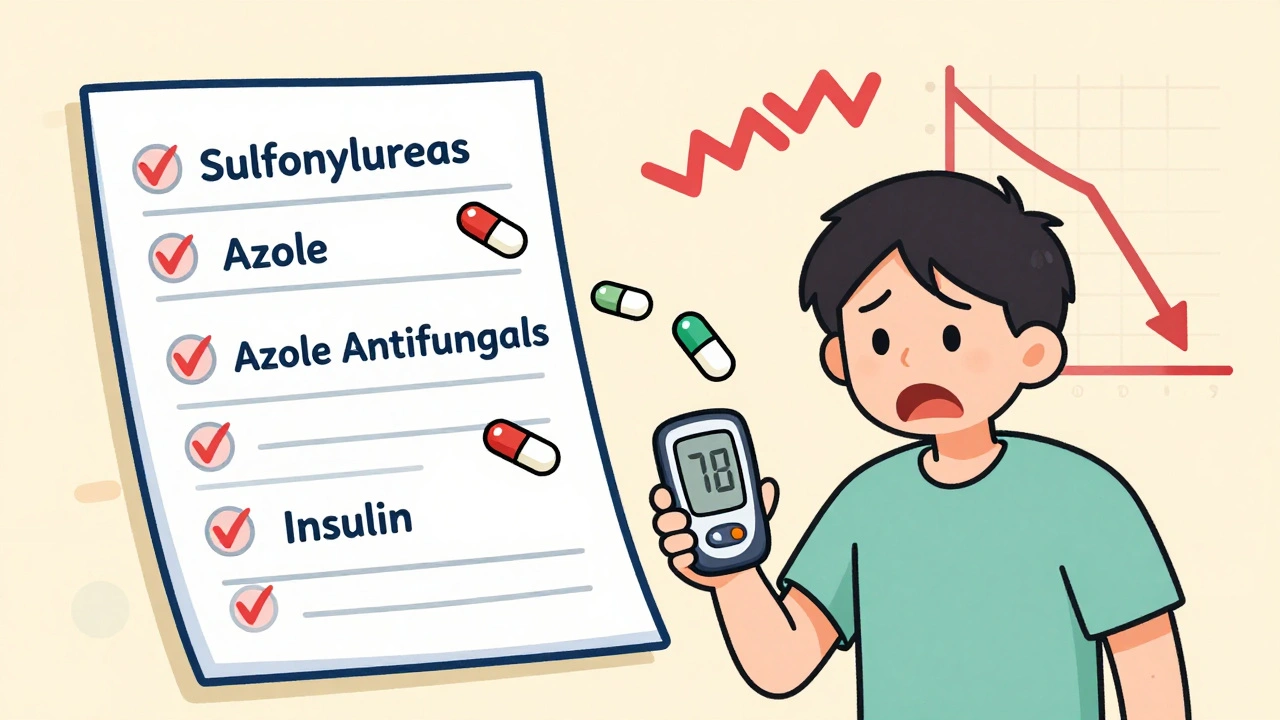
Diabetes Medication Interactions: Dangerous Drug Combinations to Avoid
Certain diabetes drug combinations can cause dangerous drops or spikes in blood sugar. Learn the top risky pairs, how to avoid them, and what safer options exist in 2025.