
GLP-1 RA Safety: What You Need to Know About Risks, Side Effects, and Real-World Use
When you hear about GLP-1 receptor agonists, a class of medications used to treat type 2 diabetes and promote weight loss by mimicking a natural gut hormone. Also known as GLP-1 RAs, they include drugs like semaglutide and liraglutide—medications that have changed how millions manage weight and blood sugar. But with rising use comes real questions: are they safe long-term, and what side effects actually matter? These aren’t just theoretical concerns. Studies show about 1 in 5 people stop GLP-1 RAs because of nausea, vomiting, or other digestive issues. That’s not rare—it’s common enough that your doctor should talk to you about it before prescribing.
Let’s cut through the hype. Semaglutide, the active ingredient in Ozempic and Wegovy, is the most widely used GLP-1 RA today. It’s effective, but it’s not harmless. The FDA has flagged rare but serious risks: pancreatitis, gallbladder disease, and even possible thyroid tumors in animal studies. These don’t happen often, but if you have a history of pancreatitis or thyroid cancer, you need to know. And while weight loss sounds great, losing muscle along with fat? That’s a real risk if you’re not eating enough protein or moving enough. This isn’t magic—it’s pharmacology with trade-offs.
Then there’s liraglutide, another GLP-1 RA, sold as Victoza and Saxenda, with over a decade of real-world data. Its safety profile is better understood than newer drugs. But even here, people report slowed digestion, constipation, and in rare cases, kidney stress. If you’re over 65, have kidney problems, or take other medications like insulin or sulfonylureas, your risk of low blood sugar goes up. It’s not just about the drug—it’s about how it fits with your whole health picture.
What’s missing from most ads? The fact that these drugs work best when paired with real lifestyle changes—not as a shortcut. And if you stop taking them, most people regain the weight. That’s not failure—it’s biology. The body fights to return to its set point. So safety isn’t just about avoiding side effects. It’s about understanding whether this drug fits your long-term goals, your health history, and your daily life.
You’ll find posts here that dig into the details: how GLP-1 RAs interact with other diabetes meds, why some people can’t tolerate them, and what alternatives exist when side effects win. There’s no sugarcoating. These drugs help—but they’re not risk-free. The goal isn’t to scare you. It’s to give you the facts so you can ask the right questions and make a choice that actually works for you.
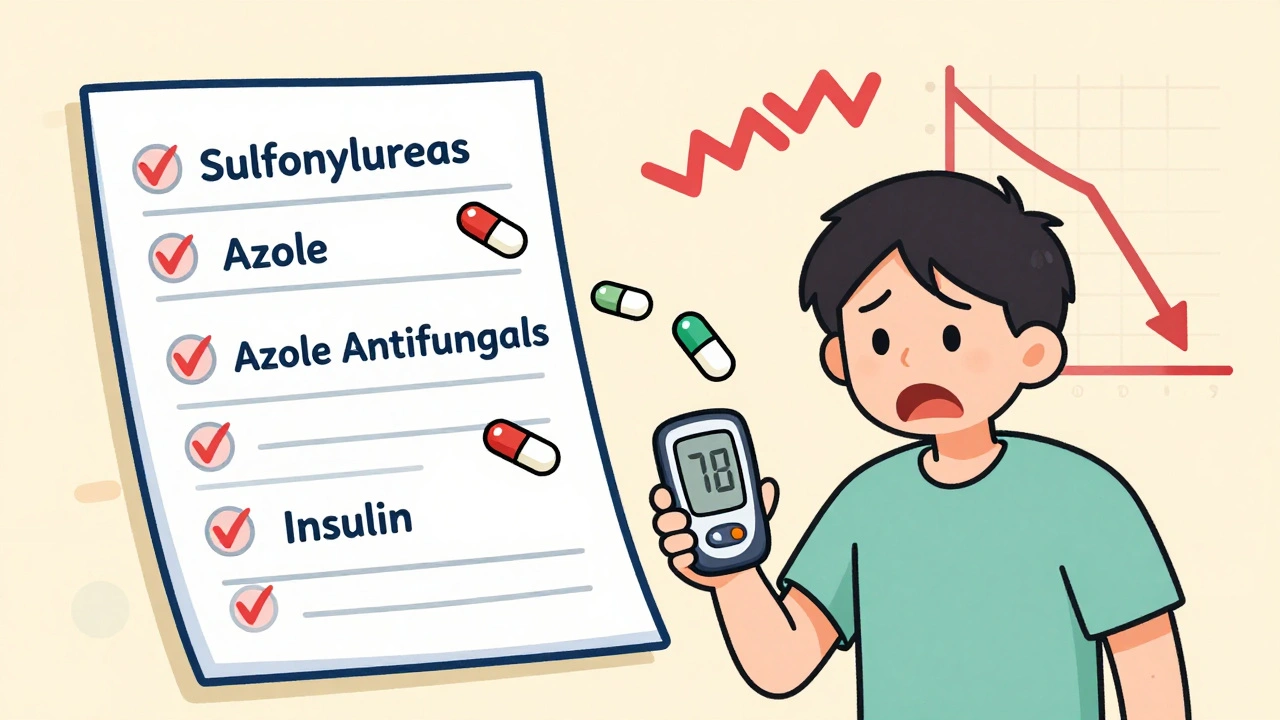
Diabetes Medication Interactions: Dangerous Drug Combinations to Avoid
Certain diabetes drug combinations can cause dangerous drops or spikes in blood sugar. Learn the top risky pairs, how to avoid them, and what safer options exist in 2025.