
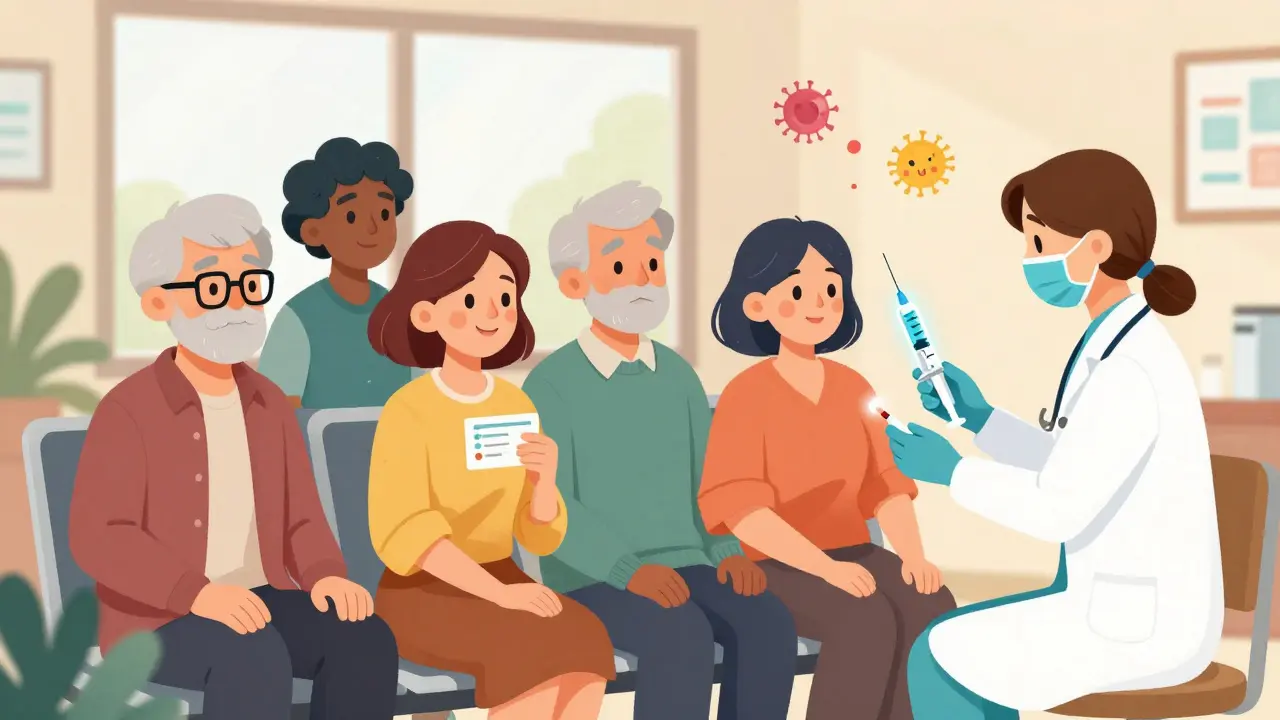
Shingles isn’t just a rash. For many people, it’s months of burning pain, sleepless nights, and lasting nerve damage called postherpetic neuralgia. And if you’re over 50, or have a weakened immune system, your risk goes up - fast. The good news? There’s a vaccine that works better than anything we’ve had before: Shingrix, the recombinant zoster vaccine.
Who Exactly Needs Shingrix?
If you’re 50 or older, you should get Shingrix. No exceptions. The CDC says it clearly: all adults 50 and up, no matter if you’ve had shingles before, got the old Zostavax shot, or think you’re too healthy to worry. That’s 85 million people in the U.S. alone. And it’s not just about age. If you’re 19 or older and your immune system is weakened - from cancer treatment, HIV, organ transplants, or long-term steroid use - you’re also a candidate. Shingrix is the only shingles vaccine available in the U.S. since Zostavax was pulled off the market in 2020. You don’t have a choice anymore. Shingrix is it.Why Shingrix Over Anything Else?
The old vaccine, Zostavax, was a live virus shot. It worked okay - about 51% effective at preventing shingles. But it couldn’t be given to people with weak immune systems. And even when it worked, it faded over time. Shingrix changed everything. It’s not a live virus. It’s made from a piece of the virus (glycoprotein E) plus a powerful immune booster (AS01B). That means it’s safe for people with cancer, diabetes, or even those on biologics for rheumatoid arthritis. And it’s not just a little better - it’s dramatically better. Studies show it’s 97% effective in people 50-59, 97% in those 60-69, and still 91% effective in people over 70. For the worst complication - long-term nerve pain - it’s 91% effective under 70 and 89% over 70. Zostavax? Only 67% effective against that pain.How It’s Given - Two Doses, Not One
Shingrix isn’t a one-and-done shot. You need two doses. The first shot gets your immune system ready. The second shot? That’s what makes the protection strong and long-lasting. The standard gap is 2 to 6 months between doses. But if you’re immunocompromised, you can get the second shot as early as 1 to 2 months later. That’s important - waiting too long might leave you unprotected during a vulnerable time. The shots go into your upper arm muscle. A 5/8-inch needle works for most people under 130 pounds. Heavier folks usually need a 1-inch needle. It’s not complicated, but you have to remember to come back. About 1 in 5 people don’t get the second dose. That cuts your protection in half.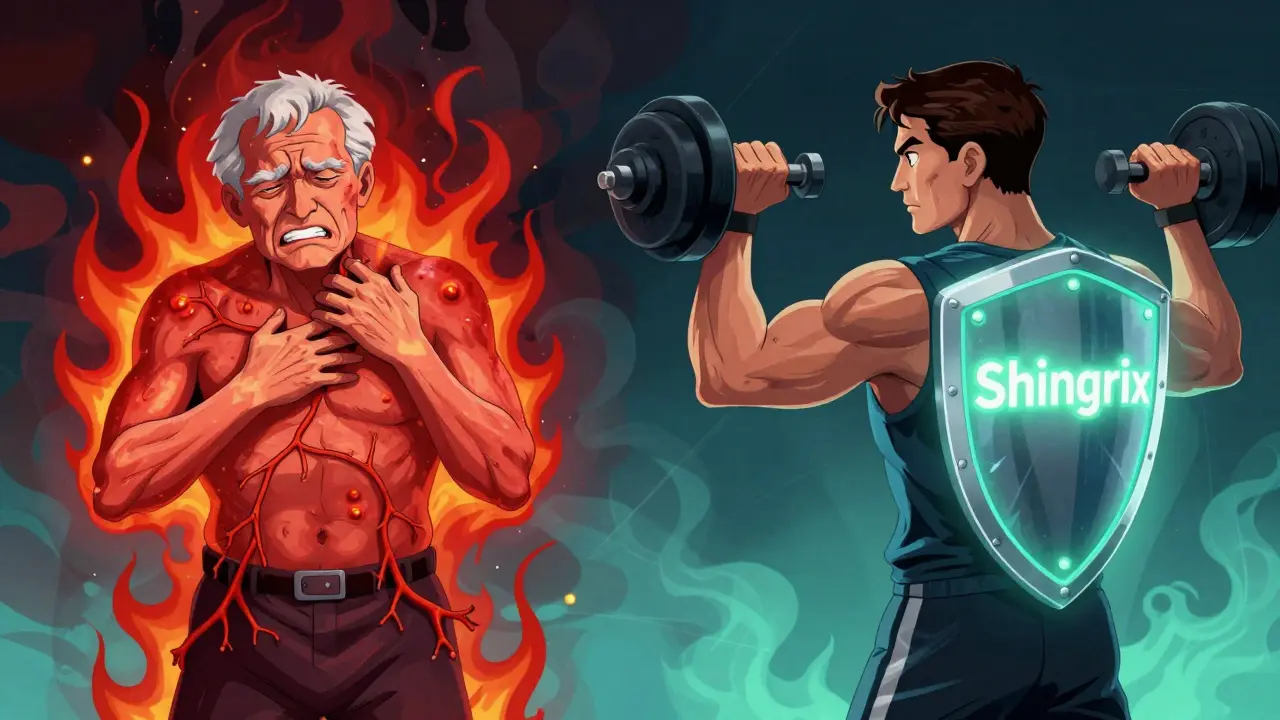
What Happens After the Shot?
Let’s be honest - Shingrix hurts. Not in a dangerous way, but it’s noticeable. About 80% of people feel pain, redness, or swelling where the shot was given. Around 40% feel tired. Half get muscle aches. One in three gets a headache. One in five feels chills or a low fever. These aren’t rare side effects - they’re normal. They usually start within a day and fade in 2 to 3 days. Some people miss work or cancel plans because they feel so wiped out. But here’s the thing: people who’ve had shingles say the pain from the vaccine is nothing compared to the real thing. If you’re worried about side effects, take it easy the next day. Rest, drink water, and take acetaminophen if you need to. Don’t skip the second dose because of the first one.What If You Already Got Zostavax?
If you got Zostavax before - even if it was years ago - you still need Shingrix. The CDC says so. You should wait at least 8 weeks after your Zostavax shot before getting Shingrix, but waiting up to 5 years is fine. You don’t need to restart the series. Just get the two-dose Shingrix course. Studies show people who switched from Zostavax to Shingrix had a strong immune response and better protection than those who only got Zostavax. Your old shot doesn’t count. Shingrix is the new standard.Who Shouldn’t Get It?
Very few people should avoid Shingrix. If you’ve ever had a severe allergic reaction (like trouble breathing or swelling of the face) to any part of the vaccine, don’t get it. That’s rare. If you’re sick with a fever right now - wait until you’re better. Mild colds? Fine. Don’t delay because you have a stuffy nose. The only other reason to skip it? If you’re pregnant or breastfeeding. There’s no data on safety in those cases, so doctors hold off. But if you’re planning to get pregnant, get vaccinated first. No need to wait after delivery - you can get it right away.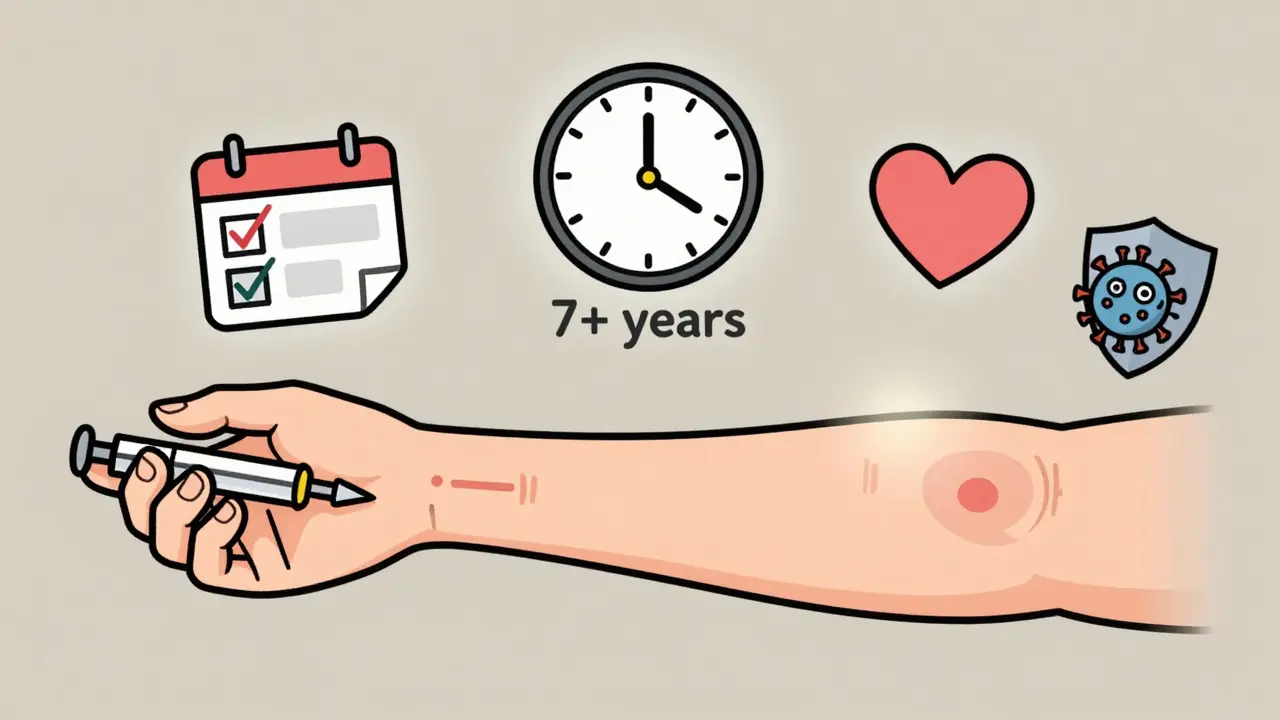
Cost and Insurance Coverage
Shingrix costs about $175 for both doses. That’s less than the old Zostavax did, even though Zostavax was a single shot. The good news? Medicare Part D covers it fully. Most private insurers do too. You shouldn’t pay anything out of pocket if you’re in the target group. Pharmacies like CVS, Walgreens, and Rite Aid can give you the shot - no doctor’s appointment needed. Just bring your insurance card. If you’re uninsured or underinsured, the Vaccines for Children program doesn’t cover adults, but some state health departments or community clinics offer free or low-cost vaccines. Ask.How Long Does Protection Last?
Right now, data shows Shingrix keeps working for at least 7 years. Some studies suggest it could last 15 to 20 years. We don’t know for sure yet - it’s still being tracked. But unlike Zostavax, which lost effectiveness after 5 years, Shingrix holds strong. No booster is recommended today. If you get both doses, you’re protected for the long haul. The CDC is watching closely. If protection starts to drop in older age groups, they’ll update the guidance. For now, two doses are enough.Why Isn’t Everyone Getting It?
Only about 35% of adults over 60 have gotten both doses. That’s way below the national goal of 70%. Why? A few reasons. Some people think they’re too healthy to need it. Others are scared of the side effects. Some forget the second shot. Doctors don’t always bring it up. But the cost isn’t a barrier anymore - insurance covers it. The pain is temporary. The risk of shingles? Lifelong. One in three people will get shingles in their lifetime. And the older you get, the worse it gets. If you’re 70 and get shingles, you’re 10 times more likely to develop long-term nerve pain than someone in their 50s. That pain can last years. Shingrix cuts that risk by 90%. It’s not a gamble. It’s a shield.Can I get Shingrix if I’ve already had shingles?
Yes. Having shingles doesn’t protect you from getting it again. The CDC recommends Shingrix even if you’ve had shingles in the past. Wait until the rash is completely gone before getting vaccinated. You still need both doses.
Is Shingrix safe for people with autoimmune diseases?
Yes. Because it’s not a live vaccine, Shingrix is safe for people with autoimmune conditions like lupus, rheumatoid arthritis, or multiple sclerosis - even if they’re on medications that suppress the immune system. Always talk to your doctor about timing if you’re starting a new treatment.
Can I get Shingrix at the same time as my flu shot or COVID booster?
Yes. Shingrix can be given at the same visit as other vaccines, including flu, pneumonia, or COVID-19 shots. Just use different arms. There’s no evidence it reduces effectiveness or increases side effects when given together.
What if I miss my second dose by more than 6 months?
Don’t restart the series. Even if it’s been over a year, get the second dose as soon as you can. Studies show you still get strong protection even with a long delay. The second dose is what boosts your immunity to the high level you need.
Does Shingrix prevent chickenpox?
No. Shingrix only prevents shingles, which is caused by the reactivation of the chickenpox virus (varicella-zoster) that’s been dormant in your nerves since childhood. If you’ve never had chickenpox or the chickenpox vaccine, you need the varicella vaccine, not Shingrix.


11 Comments
Shingrix is just another pharma profit scheme disguised as prevention
I just got my second dose last week-and wow, the arm soreness was intense, but I’m so glad I didn’t skip it! My mom had shingles at 68 and she still wakes up screaming from nerve pain at 3 a.m.-I’m not letting that happen to me. Seriously, if you’re over 50, just do it. It’s not a suggestion-it’s a shield. And yes, the side effects suck, but they’re over in 48 hours. The pain you avoid? Could last years. Please don’t wait until it’s too late.
Im not buying this american medical hype. In europe we dont just vaccinate everyone like its a cult. My uncle got zoster at 72 and lived fine. This vaccine is overhyped and overpriced. Why do we need 2 shots? Just give one and stop pushing fear
so i got my first shot last month and honestly i thought i was gonna die. i was so tired, felt like i got hit by a bus, and my arm was on fire. but then i remembered my aunt who had shingles for 18 months and couldn’t even wear a shirt. so i went back for the second dose. no regrets. the side effects are real but temporary. the pain you avoid? not temporary. also-yes you can get it with your flu shot. just use different arms. i did both on the same day. weird but fine.
if you had shingles already does that mean you dont need it or does it still help
Got mine last year-second dose was a bit rougher than the first, but totally worth it. My GP said even if you’re 10 months late on dose 2, just get it. No restart needed. Also, if you’re on biologics or have RA, it’s safe. My sister’s on Humira and got it fine. Just talk to your doc about timing if you’re starting new meds. And yes, it hurts. But not as bad as shingles. Trust me.
People act like getting this shot is a heroic act. It’s a vaccine. It’s not a marathon. You don’t get a medal. But also-yes, do it. The side effects are just your immune system doing its job. I missed my second shot for 8 months. Still got it. Still protected. Stop overthinking it. Just get the damn thing.
The recombinant zoster vaccine demonstrates superior immunogenicity relative to its live-attenuated predecessor, as evidenced by sustained seroconversion rates and reduced incidence of postherpetic neuralgia in longitudinal cohort studies. The AS01B adjuvant system enhances T-cell-mediated immunity, thereby conferring durable protection. Administration protocols are standardized, though adherence to the two-dose regimen remains suboptimal in population-level data.
This vaccine isn’t just medicine-it’s a quiet rebellion against time. Every shot is a middle finger to the aging process. The pain? Temporary. The fear? Real. But the peace of mind? Priceless. I cried after my second dose-not from pain, but because I finally felt like I was choosing my future. 🙏💥
i got shingrix last year after my cousin got shingles and lost his job because he couldnt work for 6 months. i was scared of side effects but i did it anyway. now i feel safer. dont wait till its too late. even if you think youre healthy. life is short. better safe than sorry
if you think this vaccine is about health you’re missing the point. its about control. the system wants you to believe you can outsmart biology with a needle. but nature always wins. still… i got it. because i’m not ready to die yet