Anaphylaxis Action Plan: What to Do in a Severe Allergic Emergency
When your body overreacts to something harmless—like peanuts, bee stings, or certain medications—it can trigger a life-threatening response called anaphylaxis, a sudden, severe allergic reaction that affects multiple body systems and can lead to death if not treated immediately. Also known as anaphylactic shock, it doesn’t wait for permission to happen. Every minute counts.
An anaphylaxis action plan, a personalized, written guide that tells you exactly what to do during a severe allergic reaction isn’t just paperwork—it’s your emergency roadmap. It includes clear steps: recognizing early warning signs like hives, swelling, trouble breathing, or a dropping blood pressure; knowing when and how to use an epinephrine auto-injector, a handheld device that delivers a life-saving dose of adrenaline to reverse the reaction; and calling 911 even after using the injector. Many people think one shot is enough, but the reaction can come back. That’s why the plan always includes a second dose and immediate medical transport.
Who needs this? Anyone with a history of severe allergies—whether to food, insects, latex, or drugs. Kids, adults, teachers, coworkers, and family members should all know the plan. It’s not just for the person with the allergy. A simple note in a wallet, a saved phone screenshot, or a printed copy taped to the fridge can make all the difference. Studies show that people who carry and use their epinephrine auto-injector within minutes of symptom onset have a far better chance of survival. Delaying treatment—even by 10 minutes—can turn a manageable reaction into a tragedy.
Your plan should also list your triggers, your medications, your doctor’s contact info, and emergency contacts. Keep it simple. No jargon. Just facts: what to look for, what to do, who to call. If you’ve ever seen someone go from fine to struggling to breathe in seconds, you know there’s no time for guesswork. This isn’t about being paranoid—it’s about being prepared. And if you’re responsible for someone with allergies, you’re not just helping—you’re their first line of defense.
Below, you’ll find real-world guides that tie into this plan—like how certain antibiotics can trigger reactions, why some painkillers worsen risks for people on blood thinners, and how to spot hidden dangers in common medications. These aren’t just medical facts. They’re pieces of your safety net. Use them. Share them. Save them.
Anaphylaxis Action Plan: School and Workplace Readiness
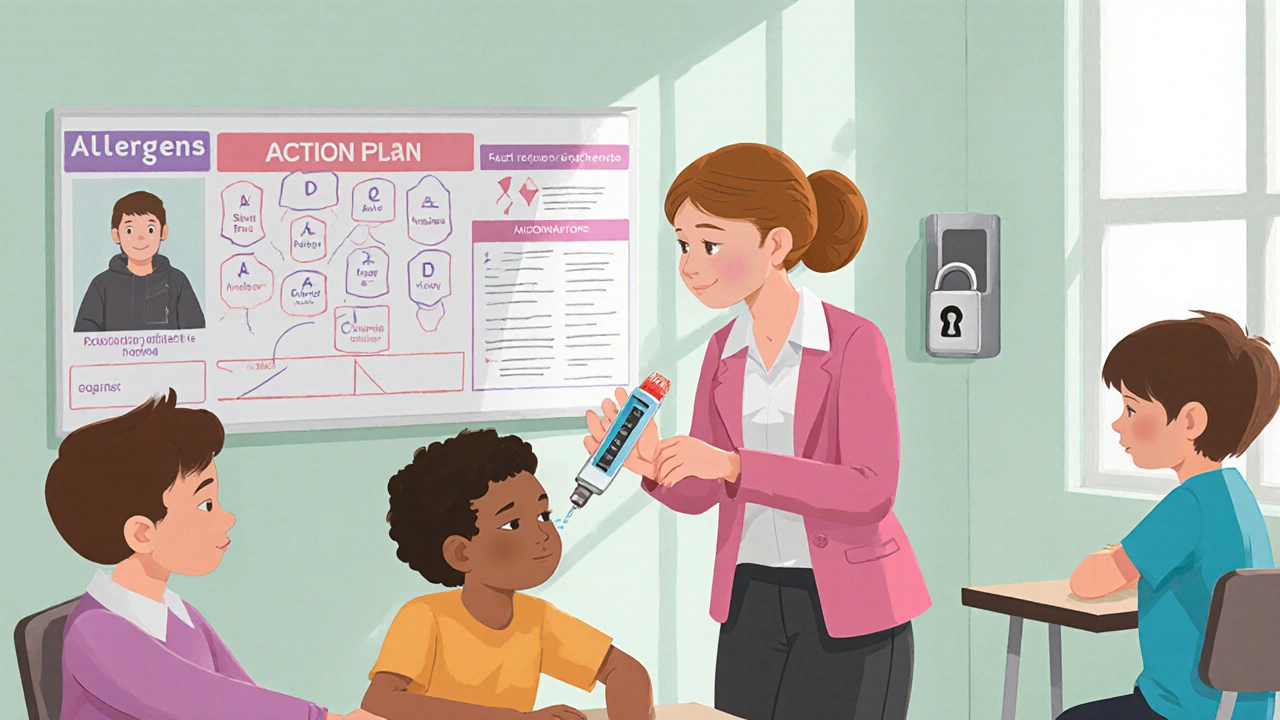
An anaphylaxis action plan saves lives by ensuring fast epinephrine use during severe allergic reactions. Schools have strong protocols; workplaces often don’t. Know the signs, keep epinephrine accessible, and train staff annually.