

Fasting Medication Scheduler
Your Fasting Schedule
When you’re fasting for religious reasons, your body changes. Your meals shrink to two: one before dawn, one after sunset. But what about your pills? If you take medication every day - for blood pressure, diabetes, thyroid, or even antibiotics - skipping doses or shifting times can be risky. The question isn’t just when to take your meds during a fast. It’s whether you can take them safely at all without breaking your spiritual commitment or harming your health.
What Religious Fasting Actually Means for Medication
Religious fasting isn’t just about skipping meals. In Islam, during Ramadan, Muslims abstain from all food, drink, smoking, and oral medications from sunrise to sunset. Other faiths, like Christianity during Lent or Judaism during Yom Kippur, have similar rules - though often less strict. But for millions of Muslims worldwide - over 1.8 billion according to Pew Research Center - Ramadan is a full 29 to 30 days of daily fasting, and medication timing becomes a medical puzzle. The key point? Oral medications are generally considered to break the fast. That means if you’re taking a pill at noon, you’re technically breaking your fast. But here’s the twist: many religious scholars agree that taking necessary medication for chronic illness doesn’t invalidate the fast - if it’s medically required. That’s why the real issue isn’t religion. It’s coordination.How to Adjust Medication Schedules for Fasting
There’s no one-size-fits-all answer. But experts agree on a few practical rules based on how often you take your medication.- Once-daily meds: Take them either at Suhoor (pre-dawn meal) or Iftar (sunset meal). For drugs that work best on an empty stomach - like levothyroxine - take them 30 minutes before Suhoor. For those that need food, take them right after Iftar.
- Twice-daily meds: Split them. One dose at Suhoor, one at Iftar. This works for most blood pressure pills, statins, and some antibiotics. Studies show this keeps drug levels stable without risking toxicity or underdosing.
- Three or more times daily: This is the hard one. If you’re supposed to take a pill every 8 hours, fasting makes that impossible. The solution? Talk to your doctor about switching to a once- or twice-daily version. For example, extended-release formulations of metformin or amlodipine can replace immediate-release versions. Some antibiotics, like doxycycline, can be switched from twice-daily to once-daily dosing under supervision.
Special Cases: Thyroid, Diabetes, and Blood Pressure
Some medications need extra care because small changes can trigger big problems. Thyroid medication (levothyroxine): This drug must be taken on an empty stomach, at least 30 minutes before food or other pills. Most people take it in the morning. But during Ramadan, taking it before Suhoor works just as well. A University of California study found that evening dosing - right before Iftar - also maintains stable TSH levels. Some patients even need a temporary 25-50 mcg dose increase at the start of Ramadan to prevent thyroid hormone dips, then taper back after. Diabetes medications: This is high-risk. Skipping insulin or sulfonylureas during fasting can cause dangerous low blood sugar. The American Diabetes Association’s 2023 guidelines say: never stop insulin. Instead, adjust timing. Long-acting insulin can stay at bedtime. Rapid-acting insulin should be given with Iftar and, if needed, with Suhoor. Many patients benefit from switching to newer drugs like GLP-1 agonists or SGLT2 inhibitors, which carry lower hypoglycemia risk. Still, 23.7% of diabetic patients experience hypoglycemia during Ramadan, even with adjustments - so daily glucose checks are non-negotiable. Blood pressure meds: Don’t change doses during Ramadan. Studies show that increasing or decreasing blood pressure meds during fasting can cause dangerous swings. Stick to your usual dose, just shift the timing. ACE inhibitors, ARBs, and calcium channel blockers can safely be taken at Iftar and Suhoor. Avoid diuretics unless absolutely necessary - they increase dehydration risk.
What Medications Can You Still Take Without Breaking the Fast?
Not all medications are created equal. Only oral forms are considered to break the fast. Everything else? Usually allowed.- Injectables: Insulin, antibiotics, vaccines - all fine.
- Inhalers: Asthma puffers, COPD medications - no issue.
- Eye drops, ear drops, nasal sprays: These don’t reach the stomach, so they’re permitted in most interpretations.
- Topical creams and patches: Nicotine patches, pain relievers, hormone gels - all safe.
- Suppositories: Used for fever or constipation - allowed.
When You Must Break the Fast - And How to Do It Safely
Fasting is important. But your life is more important. If you feel dizzy, confused, chest pain, extreme fatigue, or your blood sugar drops below 70 mg/dL - break the fast immediately. No guilt. No shame. Islam, like many faiths, explicitly permits breaking the fast for health reasons. The Prophet Muhammad said: “Allah has relieved the traveler of fasting and half of the prayer, and the pregnant and nursing woman.” Keep a plan ready. Tell your family or roommates: “If I collapse or act confused, give me juice or food right away.” Keep glucose tablets or sugary drinks by your bed. If you’re diabetic, wear a medical alert bracelet. If you’re on anticoagulants, watch for unusual bruising or bleeding - these can signal dangerous drops in medication levels.What Your Pharmacist Can Do for You
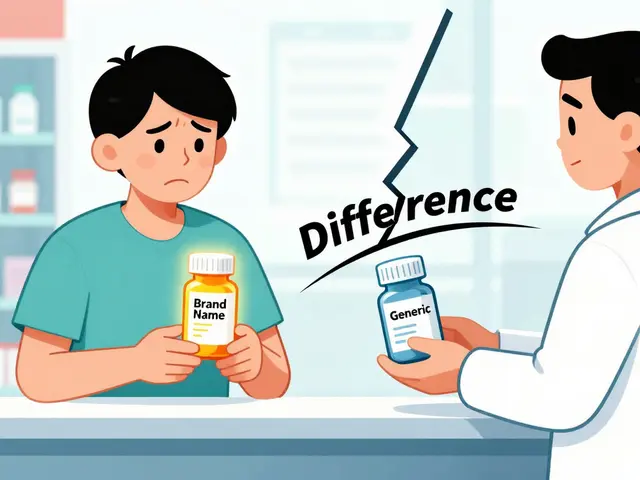
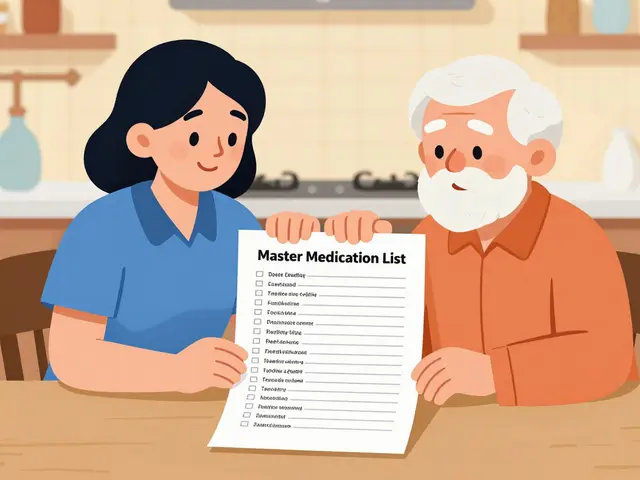
Your pharmacist is your best ally. Not your doctor. Not your imam. Your pharmacist. They know your meds inside and out. They know which ones need food, which need an empty stomach, which interact with each other. During Ramadan, many pharmacies - like CVS Health and Pace Pharmacy - offer free consultations specifically for fasting patients. They’ll review your entire list, suggest timing swaps, recommend alternatives, and even give you a printed schedule to hang on your fridge. Don’t wait until the day before Ramadan. Start four to six weeks ahead. Bring your pill bottles. Ask: “Can any of these be switched to once-daily?” “Is there a patch or inhaler version?” “What happens if I miss a dose?”
What’s New in 2025: Tech and Tools to Help
The world is catching up. In 2024, MedZed Solutions launched a Ramadan medication scheduler app that syncs with electronic health records. It sends you alerts: “Take your metformin in 15 minutes - Suhoor is at 4:30 AM.” It even tracks your hydration and glucose levels. Pharmaceutical companies are also stepping up. 68% now include Ramadan guidance in their patient materials - up from 42% in 2019. The Islamic Medical Association of North America is finalizing standardized guidelines for healthcare providers, expected in late 2025. And pharmacy schools? 73% now teach religious fasting management as part of their core curriculum. This isn’t niche anymore. It’s standard care.Final Checklist: Before You Begin Your Fast
Don’t guess. Don’t rely on memory. Use this:- Meet with your doctor and pharmacist at least 4-6 weeks before Ramadan.
- Review every medication: dose, frequency, food requirements.
- Ask: Can any be switched to once- or twice-daily?
- Confirm which non-oral options are allowed by your religious leader.
- Get a printed schedule: what to take, when, and what to do if you feel unwell.
- Set phone alarms for Suhoor and Iftar doses.
- Keep fast-acting sugar (glucose tablets, juice) and water nearby at all times.
- Tell someone you trust: “If I don’t respond, give me food or call 911.”
What to Do If You’re Still Unsure
If you’re caught between religion and medicine, you’re not alone. The best path? Talk to both. Ask your doctor: “What happens if I skip this pill?” Ask your imam or religious leader: “Is it permissible to take this medication during fasting hours if it’s life-saving?” Most religious authorities will say yes - if your health is at risk. And most doctors will say: “Don’t risk it. We can adjust this.” Fasting is a spiritual act. Medicine is a physical one. They don’t have to fight. With the right plan, they can work together.Can I take my medication during fasting hours if I have a serious illness?
Yes - and you should. Most major religious authorities, including Islamic scholars and Christian denominations, agree that preserving your health overrides fasting obligations. If your medication is essential for conditions like diabetes, heart disease, epilepsy, or kidney failure, taking it during fasting hours is not only allowed - it’s encouraged. Always consult your doctor to adjust timing safely, and confirm with your religious leader if needed.
Will skipping my morning pill during Ramadan hurt me?
It depends. For some drugs, like antibiotics or blood pressure meds, missing a dose can lead to treatment failure or dangerous spikes in symptoms. For others, like statins or thyroid pills, timing is more flexible. Never skip a dose without talking to your pharmacist. They can tell you if it’s safe to shift your dose to Iftar or Suhoor - or if you need a different formulation.
Are injections or inhalers allowed during fasting?
Yes. Injections (like insulin), inhalers (for asthma), nasal sprays, eye drops, and skin patches are generally permitted during fasting because they don’t enter the digestive system. Most religious scholars agree these don’t break the fast. But always check with your religious leader - interpretations vary slightly depending on tradition.
What if I need to take a pill every 6 hours but can’t during fasting?
You need a new plan. If your medication requires dosing every 6 hours, fasting makes that impossible. Your doctor should switch you to a long-acting or extended-release version that works for 12 or 24 hours. For example, immediate-release amoxicillin can be replaced with extended-release amoxicillin-clavulanate, taken just twice daily. Don’t try to stretch doses on your own - this can cause resistance or toxicity.
Can I fast if I’m on blood thinners?
Yes, but with caution. Blood thinners like warfarin or rivaroxaban require consistent timing and diet. Fasting can alter how your body absorbs them, increasing bleeding risk. Your doctor may check your INR levels more often during Ramadan. Stay hydrated, avoid sudden changes in vitamin K intake (found in leafy greens), and never skip doses. If your schedule becomes too unpredictable, switching to a direct oral anticoagulant (DOAC) with once-daily dosing may be safer.
How do I know if my medication is safe to take during fasting?
Check the label: Does it say “take with food” or “take on an empty stomach”? That tells you how to time it around Suhoor or Iftar. But don’t guess - talk to your pharmacist. They know how each drug behaves in the body. For example, some antibiotics need food to reduce stomach upset, while others need an empty stomach to absorb properly. Your pharmacist can map out a safe schedule for you.
Is it safe to fast if I have kidney disease?
It can be dangerous. Kidney disease patients are at high risk of dehydration and electrolyte imbalances during long fasts. Medications like diuretics or ACE inhibitors can worsen this. Many nephrologists advise against fasting for patients with moderate to severe kidney disease. If you still want to fast, you must be under close medical supervision, drink plenty of fluids during non-fasting hours, and avoid salt-heavy Iftar meals. Always get clearance from your kidney specialist first.
What if I forget to take my medication during Suhoor or Iftar?
If you miss a dose, take it as soon as you remember - even if it’s during the day. Don’t double up later. For most medications, taking it late is better than skipping it entirely. But for some - like insulin or seizure meds - missing a dose can be dangerous. Always have a backup plan: set phone alarms, use pill organizers, or ask a family member to remind you. If you’re unsure, call your pharmacist. They’ll tell you whether it’s safe to take it now or wait until the next scheduled time.



14 Comments
Thank you for this. As someone who’s watched my mom manage her diabetes during Ramadan for 20+ years, I can’t tell you how much I appreciate the practical breakdown. The part about GLP-1 agonists? Game-changer. She switched last year and hasn’t had a single low-blood-sugar scare. Also, the pharmacist tip? So true. My local CVS gave us a printed schedule with icons for Suhoor/Iftar - it’s taped to the fridge now. Blessings to everyone trying to balance faith and health.
Also, please, if you’re reading this and have an elderly relative fasting - check on them. Not just with a text. Go over. Bring dates. Sit with them. It matters.
People these days think medicine can fix everything. Fasting is a test from God. If you are weak you should not fast. Why do you need so many pills anyway? In my village in Punjab we fasted for 60 years without any medicine. We ate simple food. We drank water. We prayed. We lived. Now everyone is sick because of sugar and processed food. Why not fix your diet before asking for a pill schedule? You are making religion into a medical form.
Oh wow, look at this. America’s favorite guilt-trip guide for Muslims. Next they’ll be giving out Ramadan-approved blood pressure patches from Walmart. Listen, if your meds are that complicated you shouldn’t be fasting. This isn’t yoga. It’s worship. If you need an app to tell you when to take your pills, maybe you’re not ready for the spiritual discipline. We used to just pray and fast. No alarms. No charts. No consultants. Just faith.
This is the kind of post that saves lives. Seriously. I’m a nurse and I’ve seen people skip insulin because they were scared of breaking their fast. This guide is clear, kind, and practical. Thank you for writing it. If you’re reading this and you’re scared - talk to your pharmacist. They’ve got your back.
While the medical guidance provided here is largely sound and well-referenced, I would urge readers to consider the broader theological context. In Islamic jurisprudence, the principle of darurah (necessity) permits the suspension of religious obligations when life or health is at risk. The fact that multiple schools of thought - including Hanafi, Shafi’i, and Maliki - affirm this principle underscores that faith and medicine are not in conflict. Rather, they are complementary systems of care. The emphasis on consulting both a physician and a qualified religious authority is not merely prudent - it is structurally aligned with classical Islamic legal methodology.
Did you know the pharmaceutical industry spends over $50 billion a year marketing to religious communities? This isn’t about health - it’s about monetizing piety. They want you to believe you need extended-release metformin, insulin pens, and smartphone apps to be a good Muslim. But the Prophet Muhammad didn’t have a MedZed app. He didn’t have a pharmacist. He had trust in Allah - and a simple diet. Now we’ve turned fasting into a corporate compliance checklist. Wake up. The real test isn’t your blood sugar - it’s whether you’ve been manipulated into believing your faith needs a corporate sponsor to be valid.
My aunt takes 7 different meds and fasts every year. She doesn’t use an app. She uses a little notebook and her grandkids remind her. She says, ‘If Allah gave me this body, He gave me the brains to take care of it.’ This post made me cry - not because it’s perfect, but because it’s real. Keep sharing stuff like this. We need more of it.
There’s a deeper layer here that no one’s talking about: the colonial legacy of medical authority. For centuries, Western medicine dismissed traditional healing practices - including those rooted in Islamic, African, and Indigenous traditions - as superstitious. Now, we’re being told to surrender our spiritual discipline to a pharmacological framework that wasn’t designed for us. The fact that 73% of pharmacy schools now teach fasting management sounds progressive, but isn’t it also assimilation? What if the real solution isn’t adjusting dosages, but reclaiming holistic, community-based care - where diet, prayer, and rest are seen as equally medicinal as pills? We’ve been trained to think of religion as a barrier to medicine. But what if it’s the other way around?
yo this is fire 🙌 i just showed this to my uncle who’s on warfarin and he said ‘damn, i thought i was gonna have to break my fast’ - now he’s got a plan. also the part about glucose tablets by the bed? genius. i’m printing this out and putting it in my masjid’s info box. if you’re reading this and you’re scared - you’re not alone. but you’re also not helpless. you got this.
I’m Nigerian-American and I’ve seen how this plays out in both Lagos and Atlanta. In Lagos, people fast with no meds and suffer. In Atlanta, they have 12 different apps and a consultation with a Muslim pharmacist. Both are valid. But the real story is the silence around mental health. No one talks about how fasting with anxiety or depression feels. If you’re taking SSRIs - don’t change your dose. Talk to your doctor. And if you’re feeling alone - reach out. You’re not failing your faith. You’re living it.
The article correctly identifies the distinction between oral ingestion and non-oral administration, but it omits a critical nuance: the concept of istiḥālah (transformation) in classical Islamic jurisprudence. For example, if a medication is administered via a transdermal patch, it is not ingested - but is the active ingredient, once absorbed into the bloodstream, considered ‘consumed’ in a metaphysical sense? While contemporary scholars largely agree that non-oral routes do not invalidate the fast, the theological discourse surrounding the ontological status of pharmaceutical substances within the body remains underexplored. This is not pedantry - it is the foundation of ethical compliance.
thank you for this 😊 i’m diabetic and i was so scared to fast this year - but now i feel like i can do it safely. my pharmacist even printed me a little card with my schedule. i’m gonna hang it next to my prayer mat. also - if you’re nervous, just whisper a prayer before you take your pill. it doesn’t break the fast. and it helps. 🤲
As a healthcare provider who works with Muslim patients during Ramadan, I can confirm that the recommendations in this post are clinically accurate and ethically aligned with both medical guidelines and religious principles. The emphasis on early consultation, pharmacist involvement, and patient empowerment is not just best practice - it is a moral imperative. Thank you for presenting this with clarity and compassion.
How quaint. You’ve turned a sacred act of submission into a clinical protocol. You’ve commodified the soul with extended-release formulations and app notifications. The Prophet didn’t need a blood glucose monitor - he had tawakkul. The Ummah didn’t need a pharmacist’s schedule - they had imams who understood both fiqh and physiology. Now we’re drowning in data, but starving for faith. This isn’t progress - it’s spiritual outsourcing. The real crisis isn’t medication timing. It’s the loss of trust - in God, in tradition, and in the quiet strength of the body that knows how to endure.