
Statin Diabetes Risk Calculator
Your Input
Risk Assessment
Based on 124,000 patient data from Cardiovascular Diabetology (2022)
Relative risk: If Atorvastatin = 1.00, then:
Pitavastatin = 0.82, Pravastatin = 0.87
This tool provides estimated risk based on published studies. Individual results may vary. Consult your doctor before making any medication changes.
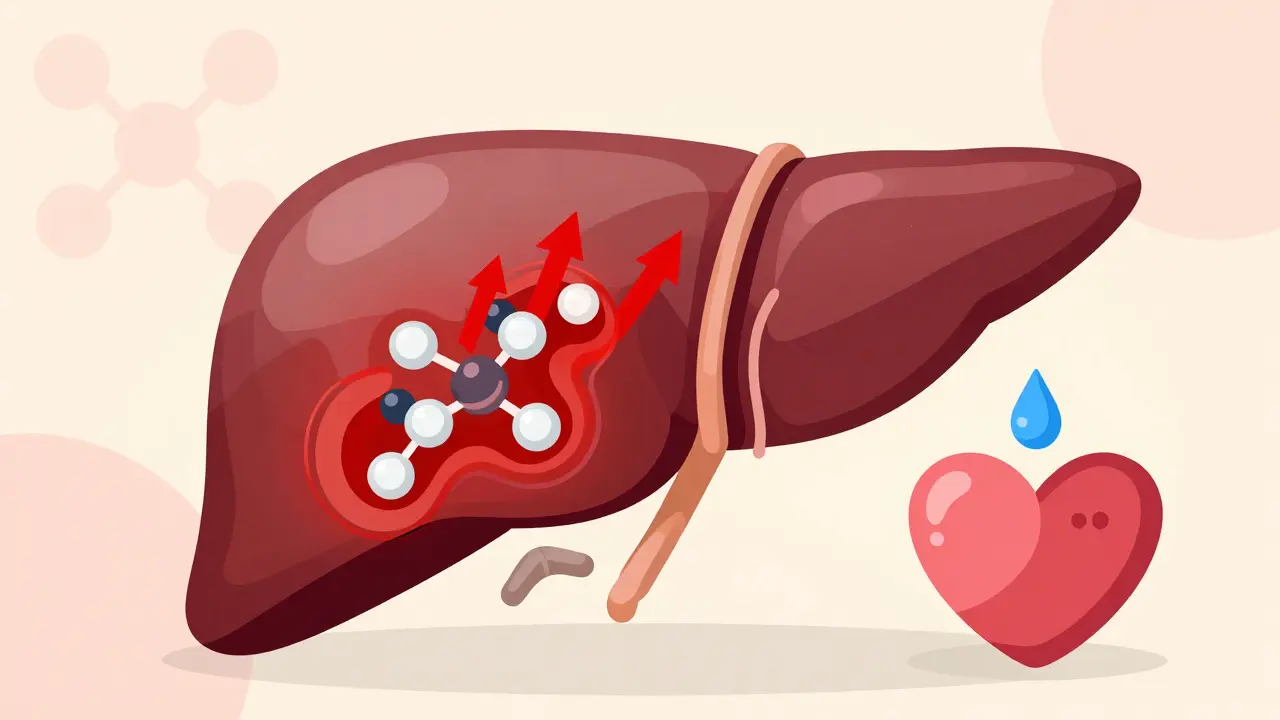
When you’re prescribed a statin to lower cholesterol, the main goal is clear: reduce your risk of heart attack and stroke. But for people with prediabetes, metabolic syndrome, or early insulin resistance, there’s a quiet worry hanging over the prescription - will this drug push me into diabetes? It’s not a hypothetical fear. Studies show some statins raise blood sugar and increase the chance of new-onset diabetes. But not all statins are the same. Pitavastatin is one of the few that doesn’t seem to play that game.
Why Pitavastatin Stands Out Among Statins
Pitavastatin is a third-generation statin, approved in 2009, designed to block cholesterol production in the liver like other statins. But its journey through the body is different. While most statins are broken down by liver enzymes like CYP3A4 or CYP2C9 - which can cause drug interactions and unpredictable effects - pitavastatin is cleared almost equally by the liver and kidneys. This means fewer interactions with other medications and a more stable, predictable effect on the body. What’s even more interesting is how it behaves around glucose. Most statins - especially high-intensity ones like atorvastatin and rosuvastatin - are linked to a small but real rise in blood sugar. They can make cells less responsive to insulin, raise fasting glucose, and slightly increase HbA1c over time. But pitavastatin? The data tells a different story. A major 2018 study in the Journal of Clinical Endocrinology & Metabolism looked at men with insulin resistance. They were given the highest approved dose of pitavastatin - 4 mg daily - for six months. Researchers used the gold-standard method to measure insulin sensitivity: the euglycemic hyperinsulinemic clamp. This isn’t a simple blood test. It’s a controlled IV infusion that shows exactly how well your body uses insulin. The result? No change. Not a drop in sensitivity. Not a rise in liver fat. Just steady cholesterol lowering.The Numbers Don’t Lie: Pitavastatin vs. Other Statins
Let’s look at real-world data from large studies. A 2022 meta-analysis in Cardiovascular Diabetology reviewed over 124,000 patients. It found:- Pitavastatin: 18% lower risk of developing diabetes compared to atorvastatin
- Pitavastatin: 18% lower risk compared to rosuvastatin
- Atorvastatin and rosuvastatin: Both increased diabetes risk by about 14-18%
- Rosuvastatin: 2.45
- Atorvastatin: 2.21
- Pitavastatin: 2.03
- Pravastatin: 1.87
Who Benefits Most From Pitavastatin?
This isn’t about everyone. It’s about specific groups:- People with prediabetes - fasting glucose between 100-125 mg/dL, HbA1c 5.7-6.4%
- Those with metabolic syndrome - belly fat, high triglycerides, low HDL, high blood pressure
- People with HIV - who often have metabolic complications from the virus and its treatments
- Patients already on insulin or metformin - where adding a statin that worsens glucose control is risky

What About the Contradictory Studies?
Not all research agrees. One small 2019 study of 3,680 patients in Korea found pitavastatin had the highest risk of new diabetes among the statins studied. That study used a retrospective design - looking back at medical records - which can be skewed by who got what drug. For example, maybe sicker patients with worse insulin resistance were more likely to be prescribed pitavastatin. That’s confounding, not causation. Large, well-designed trials - randomized, controlled, using precise measurements - consistently show the opposite. The 2018 clamp study, the 124,000-patient meta-analysis, the Ontario population study - they all point the same way. And real-world doctors are noticing. One cardiologist on Reddit reported switching over 20 prediabetic patients from atorvastatin to pitavastatin. Seventeen of them saw their HbA1c stabilize or even drop within six months. That’s not a fluke. That’s clinical experience matching the science.Cost and Access: The Real-World Hurdle
There’s a big problem: price. Brand-name pitavastatin (LIVALO) costs around $350 a month out of pocket. Generic atorvastatin? Four dollars. That’s not a typo. Four dollars. Most insurance plans - including Medicare Part D - cover pitavastatin, but it’s often on a higher tier. The average copay is $45. That’s still a lot for someone on a fixed income. Many doctors avoid prescribing it not because it’s ineffective, but because patients can’t afford it. Some pharmacies offer discount cards that bring the price down to $10-$20 a month. It’s worth asking. And if you’re on Medicaid or have good coverage, cost shouldn’t be a barrier.What Guidelines Say Now
The 2023 American College of Cardiology and American Heart Association cholesterol guidelines gave pitavastatin a Class IIb recommendation - meaning it’s “reasonable to consider” for patients with diabetes or prediabetes when moderate-intensity statin therapy is appropriate. The American Diabetes Association says something similar: if you can reach your LDL target with a moderate statin, pick one with the least metabolic impact. That’s pitavastatin or pravastatin. The American Association of Clinical Endocrinologists recommends checking blood sugar before starting any statin, then again at 3 months - especially if you’re at risk for diabetes.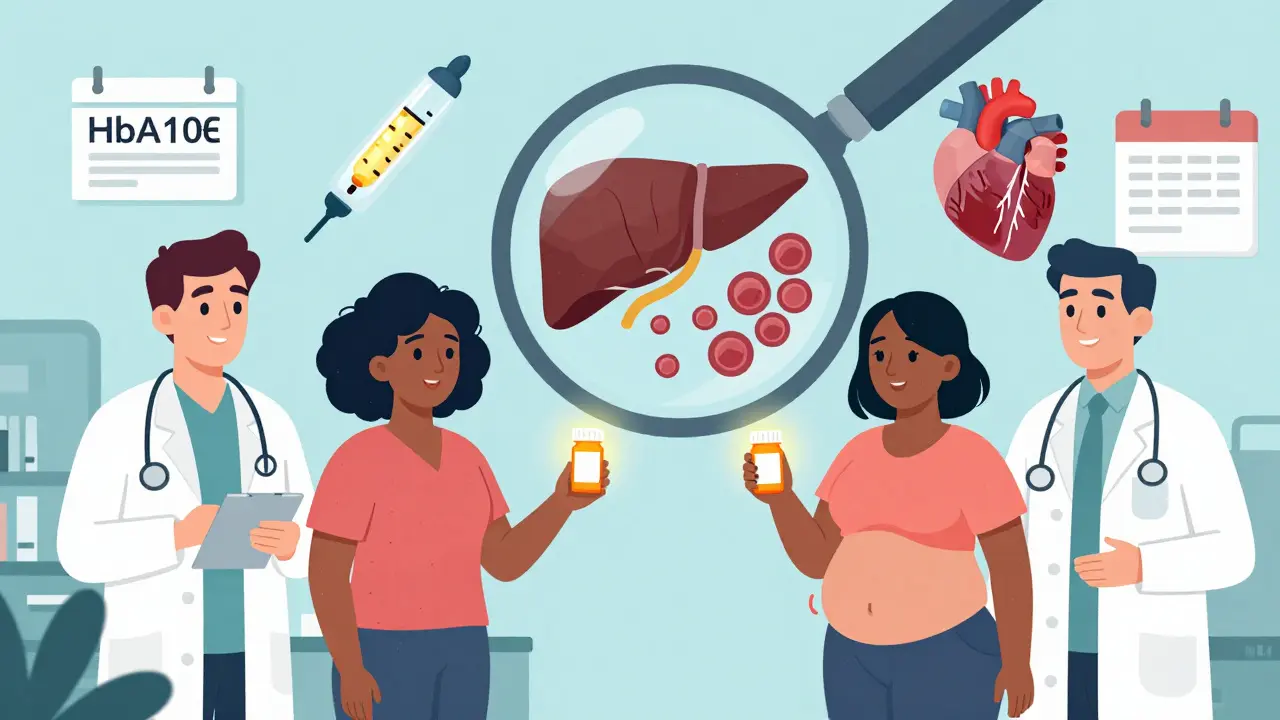
What’s Coming Next?
There’s one major trial underway that could change everything. The PERISCOPE trial, led by Kowa Pharmaceuticals, is tracking 5,200 people with diabetes who are on either pitavastatin 4 mg or atorvastatin 40 mg. The goal? To see if pitavastatin protects the heart just as well - but without worsening diabetes. Results are expected in late 2026. If pitavastatin proves non-inferior for heart outcomes - and better for blood sugar - it could become the go-to statin for millions with metabolic issues.Bottom Line: Should You Switch?
If you’re on atorvastatin or rosuvastatin and your blood sugar has crept up - even slightly - talk to your doctor about switching. You don’t need to be diabetic to benefit. Prediabetes counts. If you’re starting a statin and you have prediabetes, high triglycerides, or excess belly fat, pitavastatin should be on the shortlist. It’s not perfect. It’s not cheap. But for your metabolism, it’s the best option we have right now. Don’t avoid statins because you’re scared of diabetes. The risk of a heart attack is far greater. But do ask: Which statin is safest for my body? Pitavastatin might be the answer.Does pitavastatin cause weight gain?
No, pitavastatin is not linked to weight gain. Unlike some older statins that may slightly increase appetite or fluid retention, pitavastatin has no known effect on body weight in clinical trials. Weight changes in people taking pitavastatin are typically related to diet, activity level, or underlying conditions like insulin resistance - not the drug itself.
Can I take pitavastatin if I already have type 2 diabetes?
Yes, pitavastatin is considered safe and often preferred for people with established type 2 diabetes. Studies show it lowers LDL cholesterol effectively without worsening blood sugar control. In fact, it may be a better choice than high-intensity statins like rosuvastatin, which can make insulin resistance slightly worse. Always monitor your HbA1c regularly, regardless of which statin you take.
How long does it take to see effects on blood sugar after switching to pitavastatin?
Changes in blood sugar or HbA1c usually become noticeable within 3 to 6 months after switching from a higher-risk statin like atorvastatin. Some patients report stabilization in fasting glucose as early as 8 weeks, but HbA1c reflects average glucose over 2-3 months, so waiting at least 3 months for a repeat test is recommended.
Is pitavastatin safe for people with kidney disease?
Yes, pitavastatin is one of the safest statins for people with kidney disease. Because about half of it is cleared through the kidneys, it doesn’t rely heavily on liver enzymes like CYP3A4, which can be impaired in advanced kidney disease. Dose adjustments are rarely needed, even in moderate to severe kidney impairment - unlike with atorvastatin or rosuvastatin, which require caution or lower doses.
Can I take pitavastatin with metformin?
Yes, pitavastatin and metformin can be taken together safely. In fact, they’re often prescribed together for people with prediabetes or type 2 diabetes and high cholesterol. Metformin improves insulin sensitivity, and pitavastatin lowers cholesterol without worsening it. There are no known harmful interactions between the two drugs.
What are the common side effects of pitavastatin?
The most common side effects are mild and include headache, muscle pain, back pain, and digestive issues like nausea or diarrhea. Serious side effects like muscle damage (rhabdomyolysis) or liver problems are rare - about the same rate as other statins. Unlike some statins, pitavastatin rarely causes memory issues or elevated liver enzymes. Always report unexplained muscle weakness or dark urine to your doctor immediately.
Does pitavastatin raise HDL (good cholesterol)?
Yes, pitavastatin has a modest but consistent effect on raising HDL cholesterol - typically by 5-10%. This is higher than most other statins, especially atorvastatin and rosuvastatin, which have minimal HDL impact. The mechanism isn’t fully understood, but it may be related to how pitavastatin affects certain proteins involved in HDL production. Higher HDL is associated with lower cardiovascular risk, adding another potential benefit.
What to Do Next
If you’re on a statin and worried about blood sugar:- Check your last HbA1c and fasting glucose numbers.
- Ask your doctor if you’re a candidate for pitavastatin - especially if you have prediabetes, metabolic syndrome, or HIV.
- Request a 3-month follow-up blood test after any statin change.
- Use a pharmacy discount card if cost is an issue - pitavastatin can drop to under $20/month.
- Focus on lifestyle: lose 5-7% of body weight, move daily, cut added sugar. These do more for your blood sugar than any statin ever will.





15 Comments
Pitavastatin is the quiet MVP for people with prediabetes. I’ve seen it in my practice - patients switching from rosuvastatin and their HbA1c actually drops. No magic, just science. And yeah, it’s pricier, but your pancreas will thank you.
Don’t let the $4 atorvastatin fool you. If your body’s already struggling with insulin, you’re not saving money - you’re buying trouble.
They don’t want you to know this - big pharma’s got a whole profit engine built on rosuvastatin and atorvastatin. Pitavastatin? Too clean. Too quiet. Too effective without the side effects they *want* you to need more meds for.
They’ll say ‘it’s just a study’ - but when 124,000 people show the same pattern? That’s not coincidence. That’s cover-up.
I’ve been on pitavastatin for 8 months after my HbA1c jumped from 5.8 to 6.2 on atorvastatin. It’s been stable since. No dramatic changes, just… quieter. No headaches. No weird muscle stuff. Just steady.
I didn’t even know this was a thing until I read this. So glad I did.
i think this is really important info but i keep forgetting to check my hbac1 after switching meds can someone remind me how often again?
Esteemed colleagues, I must express my profound appreciation for this meticulously researched exposition. The data presented, particularly the euglycemic hyperinsulinemic clamp findings, constitute a paradigm shift in lipid management for metabolically compromised individuals.
It is not merely a pharmacological preference - it is a moral imperative to prescribe the statin that least compromises insulin sensitivity. Pitavastatin, in this context, is not merely an option - it is the ethical standard.
so pitavastatin is better for blood sugar but how much does it lower ldl compared to the others?
It’s funny how we fear the drug more than the disease. Heart attack kills fast. Diabetes creeps in slow - but it kills just as sure. Pitavastatin doesn’t make you diabetic. It just doesn’t help diabetes win.
And maybe that’s the real win - not curing, but not making it worse. Sometimes that’s enough.
yo i’m from the philippines and we don’t even get pitavastatin here. we got atorvastatin and that’s it. my uncle’s diabetic and he’s on it and his sugars keep going up.
why is this not available everywhere? is it just money? or is it something else?
So pitavastatin = better for blood sugar 🤝
Also raises HDL a bit 😎
But costs 80x more 💸
And insurance makes it hard to get 🤷♂️
So… what do we do?
Wow. So the drug that’s literally the best for people with prediabetes is also the one they make you pay for like you’re buying a Tesla. Brilliant strategy, pharma.
Let’s save hearts and bankrupt diabetics. Classic.
My mom switched last year. Her HbA1c went from 6.1 to 5.7. She didn’t even notice - just felt less tired. I think we all just assume statins are all the same. We shouldn’t.
Interesting. But I’m just here for the memes.
Let me be clear: this is not about choosing a statin. It’s about choosing your future. If you have metabolic risk factors, and you’re on a high-intensity statin - you’re gambling with your pancreas.
Pitavastatin isn’t just a better drug. It’s a smarter life decision. And if cost is the barrier? Advocate. Ask for samples. Fight for your health. You deserve more than a $4 pill that steals your insulin sensitivity.
I’m a nurse in a rural clinic. We have one patient on pitavastatin - switched from rosuvastatin. Her fasting glucose dropped 18 points in 3 months. She cried. Said she finally felt like she wasn’t failing her body.
This isn’t just data. It’s people.
Just switched to pitavastatin last month. My doctor said it’s the best for me. I didn’t know it existed until today. Thank you for writing this. 🙏