
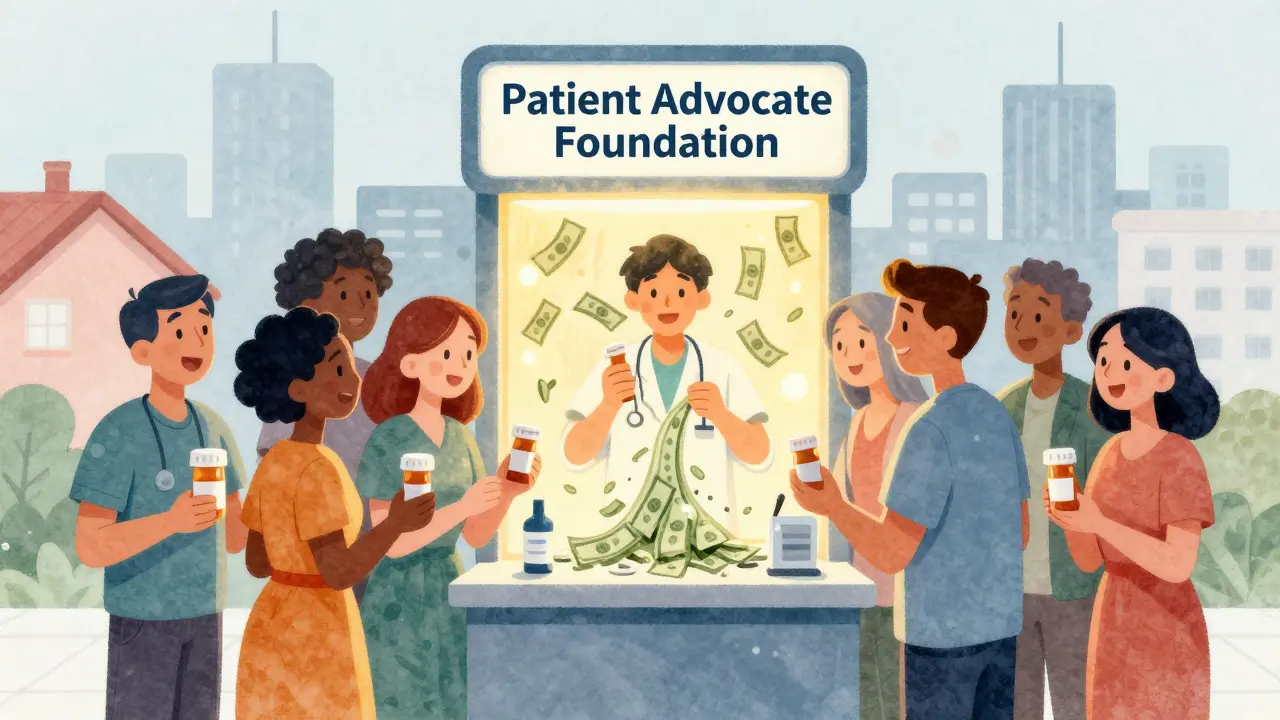
Getting the medication you need shouldn’t mean choosing between rent and refills. For millions of Americans, even with insurance, out-of-pocket costs for prescriptions can be crushing. That’s where patient advocacy foundations come in. These nonprofits don’t sell drugs or manage insurance-they help real people get the medicines they need when they can’t afford them. If you’re struggling with high co-pays or medication costs, you’re not alone, and help is out there.
What Patient Advocacy Foundations Actually Do
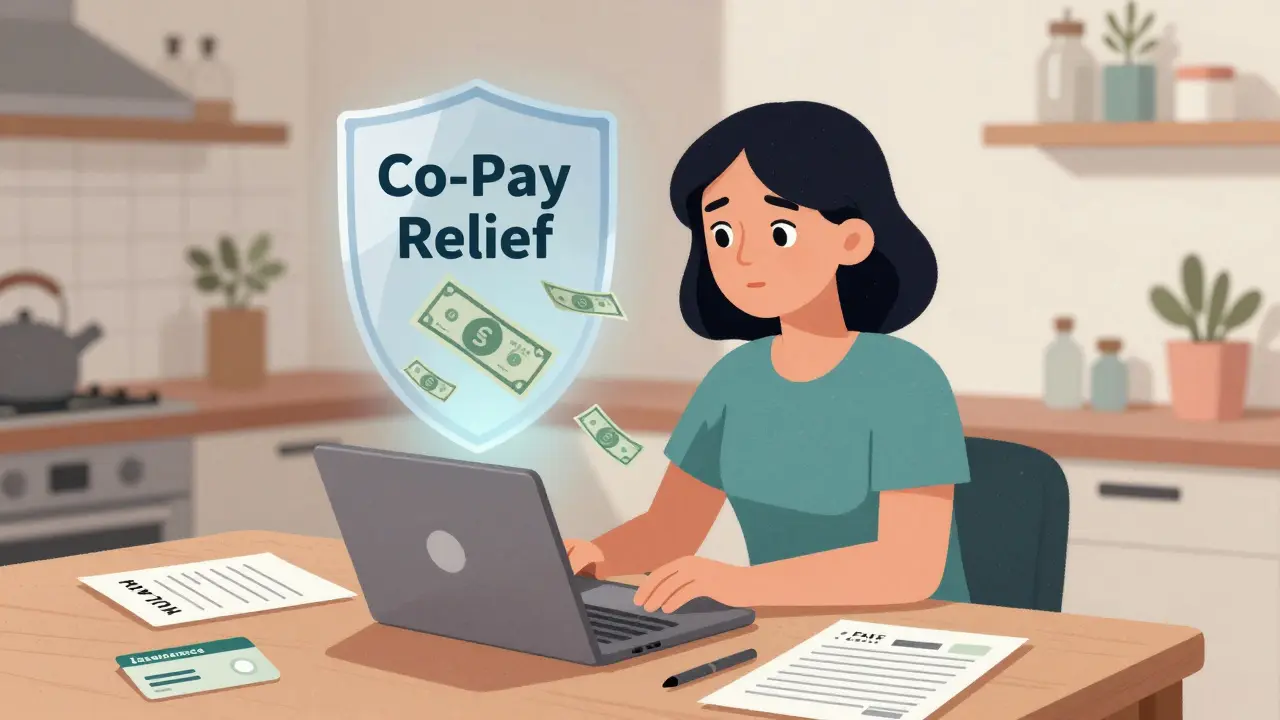
Patient advocacy foundations like the Patient Advocate Foundation (PAF) act as bridges between patients and financial aid. They don’t give cash directly to patients. Instead, they pay pharmacies or providers directly so your medication gets filled without you having to front the money. Their programs are designed for people who have insurance but still can’t afford their co-pays, or for those without insurance who need help with treatment costs. Unlike pharmaceutical company programs that only help with one brand-name drug, PAF handles multiple medications across different conditions. For example, if you’re taking three different drugs for diabetes, heart disease, and an autoimmune disorder, one application might cover all of them. That’s a big deal-most other programs only help with one drug at a time. PAF’s Co-Pay Relief Program specifically targets insured patients with high-deductible plans. In 2025, nearly 60% of employer-sponsored health plans have deductibles over $1,500. That means even if you have insurance, you could be paying hundreds or thousands out of pocket before your coverage kicks in. PAF steps in to cover those gaps.Who Qualifies for Medication Grants
Eligibility isn’t based on being poor-it’s based on being unable to pay. You don’t need to be on Medicaid or living below the poverty line. Here’s what you actually need:- A confirmed diagnosis of a serious condition (like cancer, multiple sclerosis, or rheumatoid arthritis)
- Proof you’re in active treatment-or starting treatment within the next 60 days
- U.S. citizenship or permanent residency
- Treatment received in the U.S. or a U.S. territory
- For co-pay programs: commercial insurance coverage for the specific medication
How to Apply: Step by Step
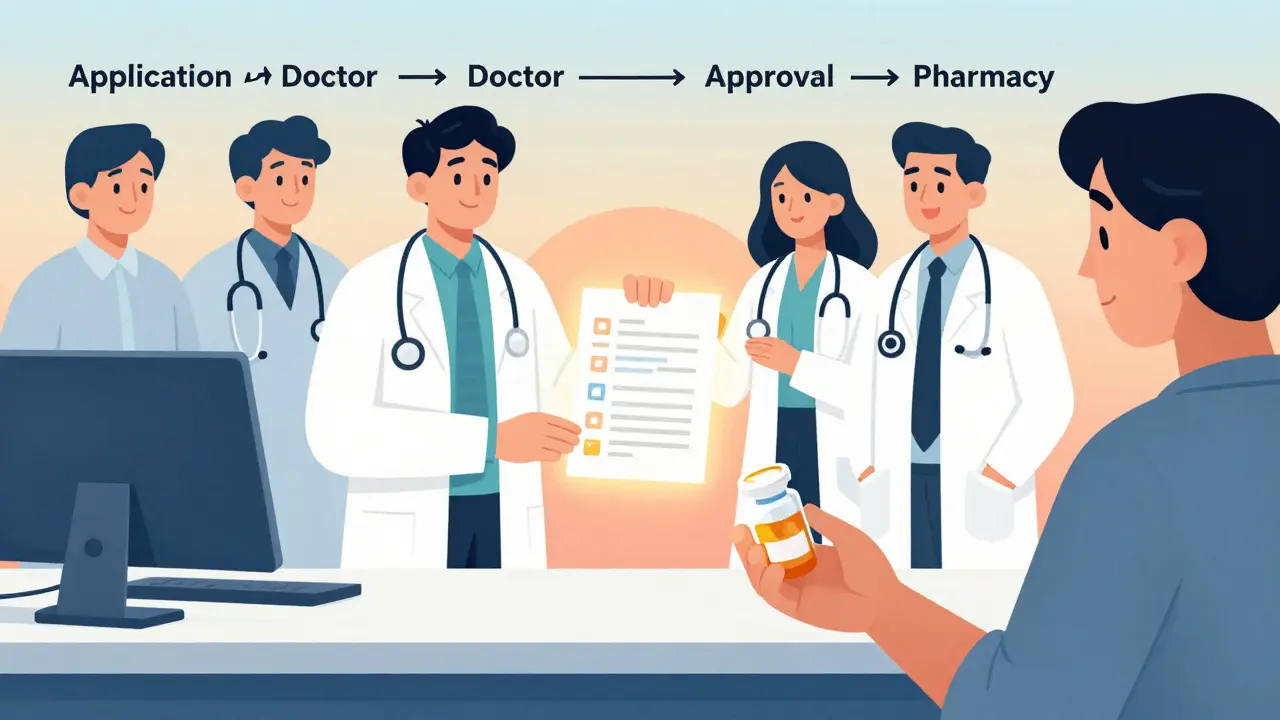
Applying sounds complicated, but it’s straightforward if you follow these steps:- Find the right fund. Go to patientadvocate.org and use their fund directory. If you have a rare disease like Thyroid Eye Disease or Sepsis, there’s likely a specific fund for it. Don’t assume you’re not eligible-many funds are new and underused.
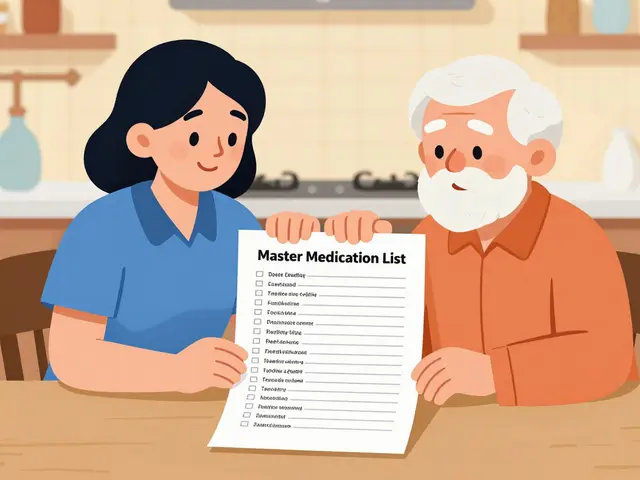
- Gather documents. You’ll need: a copy of your diagnosis letter from your doctor, your most recent tax return or pay stubs, proof of insurance (like an insurance card), and a photo ID. For co-pay relief, you’ll also need a prescription for the medication you’re applying for.
- Get your doctor to complete their part. Most applications require a form signed by your provider. Call their office early. Some clinics have staff who handle this regularly; others don’t. Don’t wait until the last minute.
- Submit online or by phone. You can apply at patientadvocate.org or call 844-974-0257 for general inquiries. For specific conditions, use dedicated lines like 855-824-7941 for Sepsis/ARDS/TSS.
- Wait and follow up. Approval takes 5-10 business days. If approved, the grant is sent directly to your pharmacy or provider. You won’t get a check. You’ll get your medication.
What Happens After You Apply
Once you’re approved, you’re not done. Funding isn’t guaranteed forever. Most programs give grants for 3-6 months at a time. You’ll need to reapply if your treatment continues. Some funds run out quickly-especially at the start of the month when new money arrives. That’s why timing matters. Many people miss out because they apply on the 25th of the month. The best time to apply is the first business day after the 1st. That’s when most funds reset. If a fund is closed, check back in 30 days. Some funds reopen monthly. Others reopen quarterly. PAF updates their website weekly with fund availability. If your application is denied, don’t give up. Ask why. Sometimes it’s a simple fix-like a missing signature or outdated income info. PAF also offers free case management. A trained advocate can help you appeal or find another program.How PAF Compares to Other Options
There are other ways to get help, but they have limits:| Option | Best For | Limitations |
|---|---|---|
| Patient Advocate Foundation (PAF) | Insured patients with high co-pays; multiple medications; complex cases | Funds run out; first-come, first-served; requires documentation |
| Pharmaceutical Company PAPs | Uninsured patients needing one specific drug | Only covers that company’s drug; income limits; long approval times |
| Medicaid / Medicare Extra Help | Low-income patients over 65 or with disabilities | Not available to everyone; long application process; state-dependent |
| State Prescription Assistance Programs | Residents of states with robust programs (like CA, NY, MA) | Only available in certain states; limited funding |
Real Stories, Real Impact
A woman in Ohio with rheumatoid arthritis was paying $850 a month for her biologic. Her insurance covered 80%, but she still owed $170 every two weeks. She applied to PAF’s Co-Pay Relief Program and was approved for $1,200 over six months. She didn’t have to choose between her medication and groceries. A man in Texas with stage 3 lung cancer needed three different drugs. His deductible was $7,000. He applied to PAF’s cancer fund and got help with all three. He said, “I didn’t know these programs existed. I thought I was on my own.” These aren’t rare cases. In 2024, PAF helped over 120,000 patients with medication costs. That’s 120,000 people who didn’t have to go without.What to Watch Out For
Not every program is trustworthy. Scams exist. Legitimate foundations like PAF never ask for payment to apply. If someone calls you and says, “Pay $50 to lock in your grant,” hang up. PAF’s services are 100% free. Also, don’t wait until you’re out of medication. Apply as soon as you know you can’t afford your co-pay. Funds fill up fast. Some programs have waiting lists. Others close for weeks at a time. And remember: if you’re denied, it’s not the end. Ask for feedback. Call PAF’s case management team at 1-800-532-5274. They’ve helped people get approved after initial denials by fixing documentation errors or finding alternate funding.What’s Next?
Prescription drug prices keep rising. In 2023, the average cost of a specialty drug increased by 8.4%. That trend isn’t slowing. Patient advocacy foundations are filling a void that government and insurance systems haven’t closed. If you’re struggling, take action now. Gather your documents. Talk to your doctor. Apply. Even if you think you don’t qualify, apply anyway. The worst they can say is no. You’re not asking for charity. You’re asking for access to the medicine you need to live. That’s not a privilege-it’s a basic right.Can I apply for medication grants if I have Medicare?
Yes. PAF’s Co-Pay Relief Program works with Medicare Part D. If your out-of-pocket costs are high because of the coverage gap (also called the donut hole), you may qualify. You’ll need to show your Medicare card and recent pharmacy receipts. Many seniors use PAF to cover insulin, heart meds, and cancer drugs.
How long does it take to get approved for a grant?
Most applications are reviewed in 5-10 business days. If your doctor submits their form quickly and all documents are complete, you could be approved in under a week. Delays usually happen when paperwork is missing or your provider doesn’t respond in time.
Do I have to reapply every month?
No. Most grants last 3-6 months. You’ll get a notice before your funding ends, with instructions on how to reapply. Some programs let you reapply automatically if you’re still in treatment. Others require a new form. Always check the terms when you’re approved.
What if my medication isn’t covered by any fund?
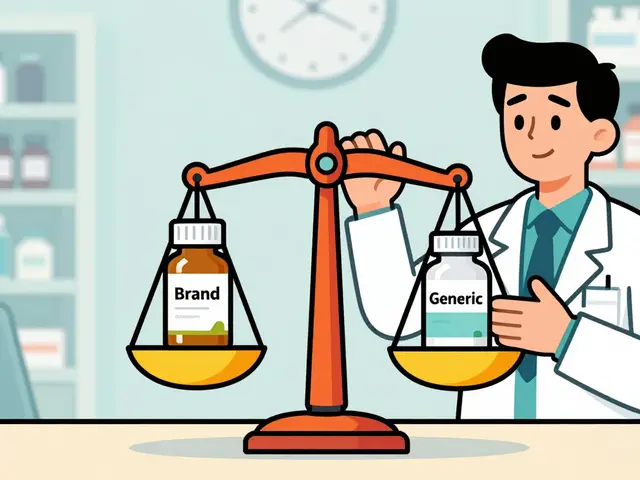
PAF has over 70 condition-specific funds, but not every drug is covered. If yours isn’t, ask them for alternatives. They often know of pharmaceutical company programs, state grants, or charitable foundations that might help. They also help patients appeal insurance denials or find lower-cost generics.
Can I apply if I’m not a U.S. citizen?
Only U.S. citizens and permanent residents (green card holders) qualify for PAF’s programs. If you’re on a visa or undocumented, check with local health departments or community clinics. Some nonprofits offer sliding-scale discounts or free medications regardless of immigration status.
Is there a limit to how much help I can get?
Yes. Most programs cap annual assistance at $5,000-$10,000 per patient. That’s usually enough to cover most co-pays for a year. If you need more, PAF can help you connect with other resources like state programs or hospital financial aid.


13 Comments
OMG this is life-changing 😭 I was skipping my insulin doses to pay rent. Applied last week and got approved in 4 days. My pharmacy called me like, 'Your meds are paid for.' I cried in the parking lot. Thank you for sharing this 💖
The structure of this post is exceptionally clear. Patient Advocate Foundation’s Co-Pay Relief Program is one of the few entities that operates under a 501(c)(3) model specifically designed to circumvent the structural failures of commercial insurance. Their direct-payment mechanism eliminates the risk of patient financial toxicity while maintaining regulatory compliance with HIPAA and IRS guidelines for charitable assistance.
Why do people still think nonprofits are magic? They run out of money every month. You think they can fix the system? Nah. They just patch holes while the whole ship sinks. And don't get me started on the paperwork
I appreciate the effort here but I have to say... the tone feels a bit like a PSA from a hospital brochure. Like, sure it's helpful but it's also... sanitized? Like we're supposed to be grateful for crumbs instead of demanding the whole table.
You know who really benefits from these 'charity' programs? The drug companies. They get to say 'Look we helped!' while keeping prices sky high. And the foundations? They're just middlemen taking donations while the real profits go to Big Pharma. It's a scam dressed in a ribbon.
I applied for PAF last year after my husband got diagnosed with MS. We were denied twice because they said our income was 'too high' even though we were living in my mom's basement. Then I found out they only approve people who live in zip codes with 'high need' designations. So if you're poor but live in a rich neighborhood? Too bad.
While I admire the aspirational framework of this initiative, I must register my profound concern regarding the epistemological foundations of its operational model. The reliance upon self-reported income verification, coupled with the absence of a standardized national eligibility algorithm, renders the entire apparatus vulnerable to systemic arbitrariness and potential rent-seeking behavior by institutional intermediaries. Furthermore, the implicit assumption of benevolence on the part of non-state actors is, frankly, naïve.
Let's be real - this is just a Band-Aid on a hemorrhage. PAF’s model is a textbook example of 'charity industrial complex' dynamics. They get tax breaks, donors feel good, and pharma gets to avoid regulation. Meanwhile, patients are stuck in a bureaucratic labyrinth with 17 forms and 3 signatures. We need universal healthcare. Not a charity lottery.
I'm from Australia and we've got PBS here - basically the same thing but government-run. You pay $30 for scripts. No forms. No waiting. No begging. I can't believe Americans have to do this. You're all so brave. And also... kinda screwed
I just wanted to say thank you for posting this. I was so scared to apply because I thought I'd be judged for asking. But reading this made me feel like it's okay to need help. I submitted my docs today. Fingers crossed.
I applied to PAF last month. Got denied. Then my neighbor got approved. Same meds. Same income. Same paperwork. I called them. They said 'We had a quota.' Quota. For medicine. I swear to god if this isn't the end of America I don't know what is.
YESSSSS THIS IS THE ENERGY I NEEDED 💪✨ I just got approved for my rheumatoid arthritis med after 3 months of crying into my coffee. PAF is a GLORIOUS BEACON OF HOPE 🌟 Don't wait. Don't overthink. Just APPLY. Your life depends on it. And if you get denied? Fight back. Call. Email. Beg. They have case managers for a reason. You got this! 🥹❤️
This is exactly what I needed. I'm from India and my sister is in the US with lupus. I shared this with her. She applied yesterday. We didn't know such programs existed. Thank you for writing this so clearly. Sometimes the simplest truths are the most powerful.