
The Money Game: How Pharmacies Actually Get Paid
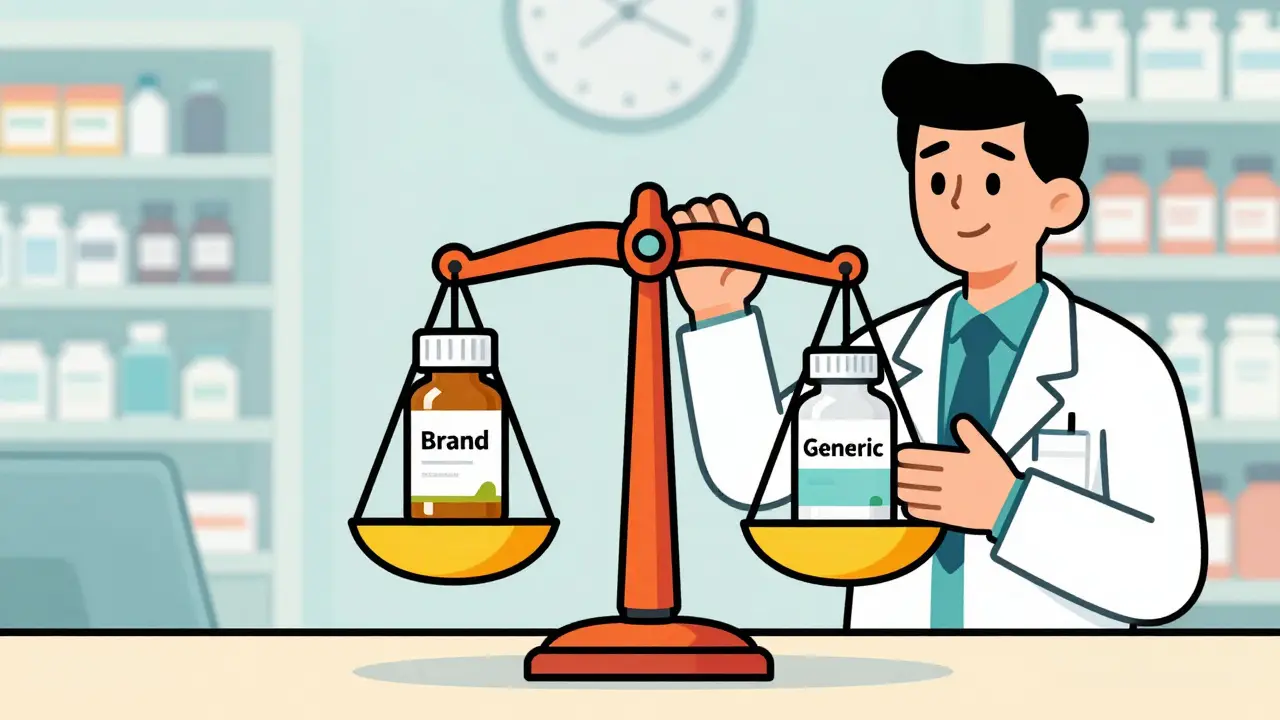
To understand the financial hit or gain from a generic swap, you have to look at how the reimbursement check is calculated. Most pharmacies don't just set a price; they are paid based on a formula. Traditionally, this was a "cost-plus" model: the pharmacy gets the cost of the drug plus a dispensing fee. For brand-name drugs, this is often tied to the Average Wholesale Price (AWP), but generics are a different story. Today, most generics are reimbursed via Maximum Allowable Cost (MAC) lists is a set of maximum prices that PBMs and payers will reimburse a pharmacy for a specific generic drug, regardless of what the pharmacy actually paid for it. Here is where it gets tricky. MAC lists are often opaque. If a pharmacy buys a generic drug for $10 but the MAC list only allows for $8, the pharmacy takes a $2 loss on the product itself. This creates a high-stakes environment where the pharmacy's ability to source the cheapest generic becomes the only way to protect their margin.Why Generics Are the Lifeblood of Pharmacy Margins
If you look at the raw numbers, the incentive to push generics is overwhelming. Data shows that gross generic margins for pharmacies average around 42.7%, while brand-name margins are a dismal 3.5%. This massive gap is why pharmacists are so diligent about checking for generic alternatives. Without these high-margin swaps, many independent pharmacies would simply vanish. However, PBMs have introduced tools like Generic Effectiveness Rates (GERs) to keep these profits in check. GERs essentially cap the total amount a PBM will pay for generics over a contract period. If a pharmacy is "too efficient" at substituting, they might hit a ceiling where the reimbursement rate drops, effectively punishing them for maximizing savings.| Feature | Brand-Name Drugs | Generic Drugs |
|---|---|---|
| Average Gross Margin | ~3.5% | ~42.7% |
| Pricing Basis | AWP minus percentage | MAC Lists / Acquisition Cost |
| Substitution Incentive | Low/Negative | Very High |
| PBM Control Level | Moderate | High (via GERs and MACs) |
The "Spread Pricing" Trap
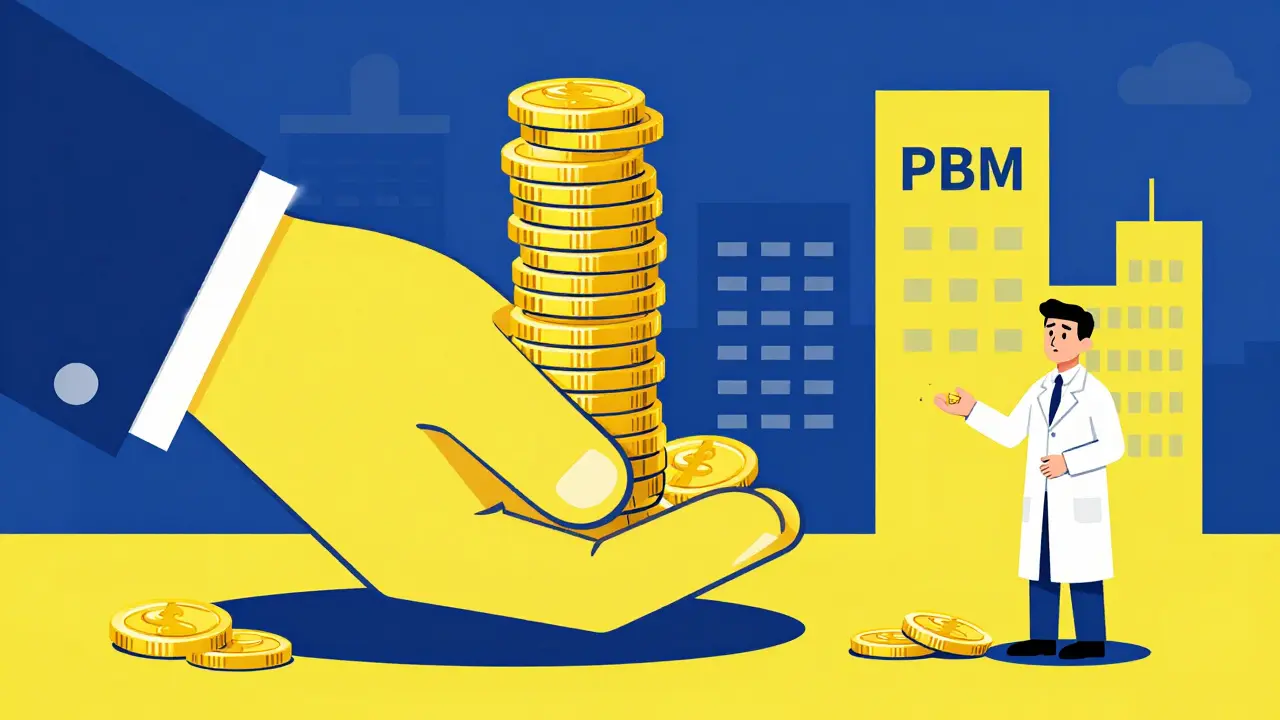
While pharmacies are fighting for pennies on a MAC list, Pharmacy Benefit Managers (PBMs) are often playing a different game called "spread pricing." A PBM might charge a health plan $100 for a drug but only reimburse the pharmacy $40. The PBM pockets the $60 "spread." This creates a perverse incentive. PBMs may actually favor higher-priced generics over the absolute cheapest options because it maximizes their spread. Research has shown that some generics substituted by different drugs in the same class had prices over 20 times higher than their cheapest therapeutic alternatives. In this scenario, the "savings" from generic substitution aren't actually going to the patient or the taxpayer-they are being captured by the middleman.Generic vs. Therapeutic Substitution: Where the Real Savings Live
There is a big difference between swapping a brand-name drug for its identical generic counterpart and performing a therapeutic substitution.- Generic Substitution: Replacing Brand A with Generic A (same molecule).
- Therapeutic Substitution: Replacing Brand A with Generic B (different drug, same clinical effect).
The Domino Effect: Consolidation and Access
When reimbursement structures become too tight, the physical landscape of healthcare changes. We've seen a wave of pharmacy consolidation. Between 2018 and 2022, over 3,000 independent pharmacies closed their doors. Why? Because they couldn't survive the squeeze between rising operating costs and falling MAC reimbursements. As the market consolidates into a few giants-like CVS Caremark, Express Scripts, and OptumRx-these players gain more power to dictate terms. When a PBM forces a restrictive pricing policy, the pharmacy might stop stocking certain high-cost specialty generics because the risk of a reimbursement loss is too high. This means a patient might face a delay in treatment, not because the drug isn't available, but because the pharmacy can't afford to keep it on the shelf.Looking Ahead: Transparency and Regulation
The tide may be turning. The Federal Trade Commission (FTC) has stepped up investigations into PBM spread pricing, and the Inflation Reduction Act of 2022 is pushing for more transparency in Medicare Part D. We are also seeing the rise of Prescription Drug Affordability Boards (PDABs) in various states, which set upper payment limits to curb skyrocketing costs. If the industry moves toward "value-based arrangements," the focus might shift from how many generics a pharmacy dispenses to how well those drugs actually work for the patient. This would move the pharmacy away from being a high-volume commodity shop and back toward being a clinical provider. Until then, the financial dance of generic substitution remains a tightrope walk for every pharmacist in the country.What is a MAC list in pharmacy reimbursement?
A Maximum Allowable Cost (MAC) list is a pricing mechanism used by PBMs and payers to set the maximum amount they will pay a pharmacy for a generic drug. It ignores the pharmacy's actual acquisition cost, meaning if the pharmacy pays more than the MAC price, they lose money on that transaction.
How does spread pricing affect drug costs?
Spread pricing occurs when a PBM charges a plan sponsor a high price for a drug but pays the pharmacy a much lower reimbursement rate. This creates an incentive for PBMs to prefer higher-cost generics over lower-cost ones to increase their own profit margin, which can keep overall drug spending higher than necessary.
Why are generic drugs more profitable for pharmacies than brand-name drugs?
Generics generally offer significantly higher gross margins (averaging around 42.7%) compared to brand-name drugs (around 3.5%). This is because brand-name drugs have rigid pricing and lower margins, while generics allow for more pricing flexibility and higher markups provided the reimbursement rate is favorable.
What is the difference between generic and therapeutic substitution?
Generic substitution is replacing a brand drug with an identical generic version. Therapeutic substitution is replacing a drug with a different medication in the same class that provides the same clinical result. Therapeutic substitution often yields much larger cost savings for the healthcare system.
Do PBMs limit the amount of profit pharmacies make on generics?
Yes, through mechanisms like Generic Effectiveness Rates (GERs). These are contract caps that prevent the total reimbursement for generics from exceeding a certain percentage of the Average Wholesale Price, effectively limiting the pharmacy's total profit from high-volume generic dispensing.


Write a comment