
Key Safety Takeaways
- Verification is everything: The newest standards now require a fourth check at the bedside with the patient present.
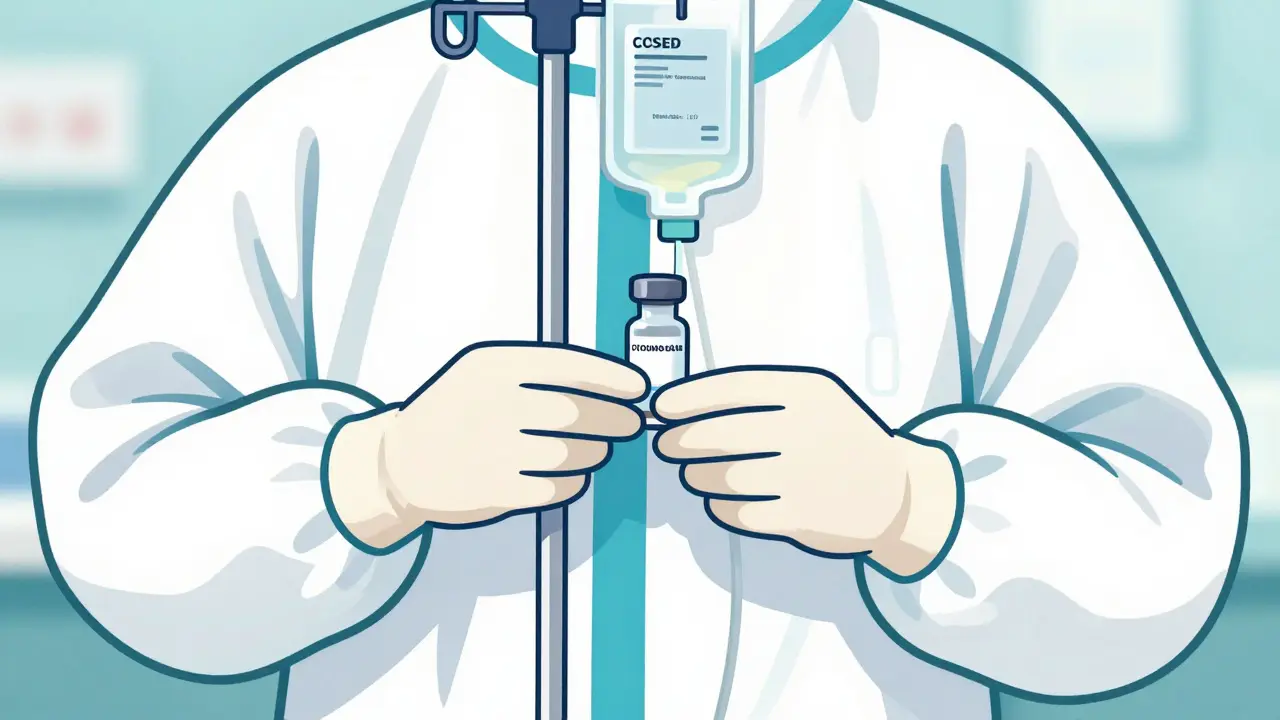
- PPE is non-negotiable: Double-gloving with chemotherapy-tested gloves and impermeable gowns are essential to prevent skin absorption.
- Home care risks: Caregivers often struggle with waste disposal and fluid handling, requiring specialized toolkits.
- New therapy threats: Immunotherapies have introduced new risks like Cytokine Release Syndrome (CRS) that require immediate intervention protocols.
The Shift to Antineoplastic Therapy Standards
For a long time, we just called it "chemo," but the medical world has shifted its language. Today, experts use the term Antineoplastic Therapy is a broad category of treatments designed to inhibit the growth and spread of tumors, encompassing traditional chemotherapy, targeted therapies, and immunotherapies. This change matters because the drugs used in 2026 are far more complex than those in the 1980s.
The gold standard for safety comes from the American Society of Clinical Oncology (ASCO) and the Oncology Nursing Society (ONS). Their 2024 updated standards act as a living blueprint, revised every few years to keep up with new drug types. These aren't just suggestions; they are critical frameworks that prevent occupational exposure and medication errors. In fact, facilities that fully adopt these standards see about 63% fewer medication errors compared to those that only partially implement them.
Protecting the Provider: PPE and Engineering Controls
You can't just wear a standard pair of latex gloves when handling hazardous drugs. Many chemotherapy agents can permeate through common gloves in seconds. The National Institute for Occupational Safety and Health (NIOSH) categorizes hazardous drugs into risk groups, and for the most dangerous ones, like carmustine or thiotepa, double-gloving is mandatory.
Safe handling requires a specific gear set: chemotherapy-tested double gloves, impermeable gowns, and eye protection. If there's any chance of a spill or the creation of aerosols, respiratory protection is a must. A common mistake is thinking PPE is reusable if it "looks clean." Research has shown that contamination transfers from outer gloves to hands and surfaces almost instantly, meaning all PPE is considered contaminated the moment it's used and must be discarded.
Beyond gear, the environment itself is a tool. Closed-System Transfer Devices (CSTDs) are used to physically block the drug from escaping into the air or onto the skin during transfer. While expensive, these systems are the frontline of defense against long-term occupational illness for nurses and pharmacists.
| Feature | ASCO/ONS (2024) | USP <800> | ESMO (European) |
|---|---|---|---|
| Focus | Clinical Administration | Pharmacy/Compounding | European Clinical Practice |
| Verification | Mandatory 4th Bedside Check | Pharmacy-based Checks | Standard Verification |
| PPE Emphasis | Double-gloving & Gowns | Containment & Ventilation | CSTD Integration |
| Risk Management | CRS Management Protocols | Environmental Containment | Engineering Controls |
The Bedside Battle: Administration and Verification
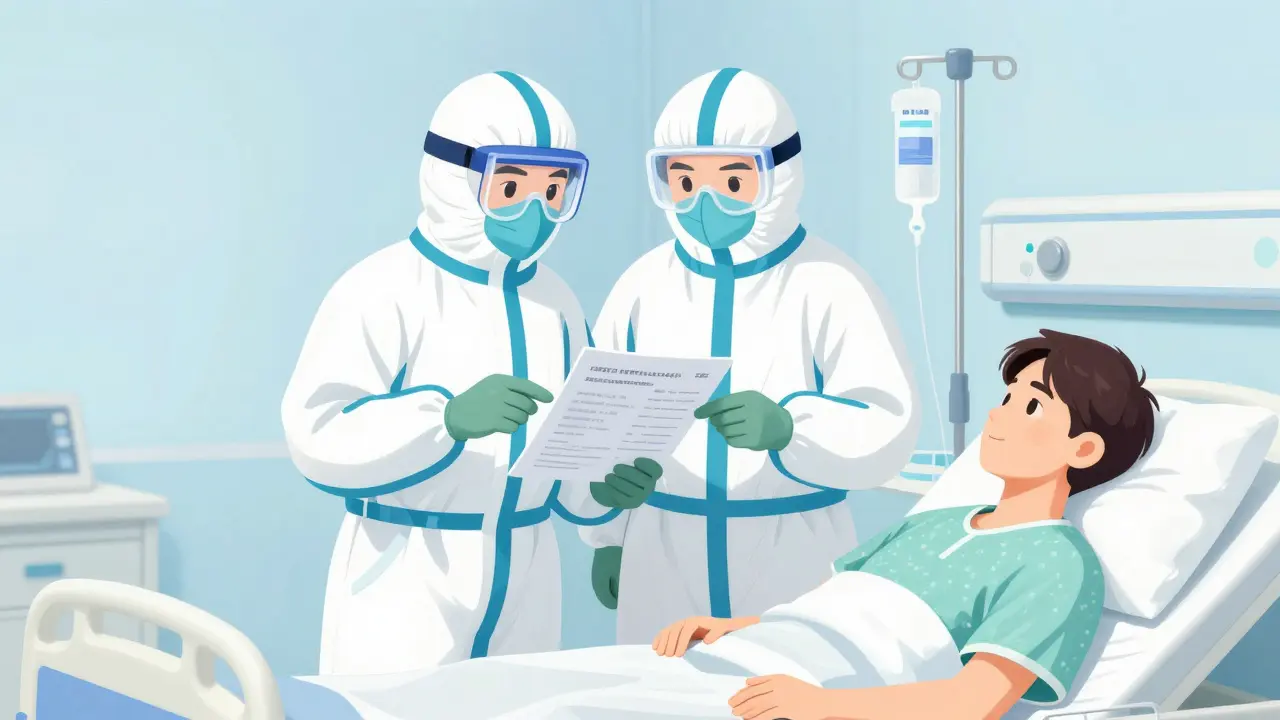
The most dangerous moment in chemotherapy is the point of administration. A wrong dose or the wrong patient can be fatal. To stop this, the 2024 standards introduced a critical change: the fourth verification step. Previously, drugs were checked in the pharmacy and by nurses during prep. Now, a final check must happen right at the bedside. Two licensed clinicians must verify the patient's identity using two unique identifiers while the patient is present.
Why such a strict rule? Patient identification errors accounted for 18% of chemotherapy-related adverse events in 2022. By forcing a "time-out" at the bed, facilities have seen near-miss errors drop by over 50%. While some nurses complain that this adds 10 minutes to an already hectic shift, the trade-off is a massive reduction in preventable deaths.
Monitoring doesn't end once the infusion starts. With the rise of immunotherapies, clinicians must now be on high alert for Cytokine Release Syndrome (CRS), which is a systemic inflammatory response that can cause high fever, low blood pressure, and organ failure. Because CRS cases increased by 300% between 2018 and 2022, institutions are now required to have antidotes and CRS-specific therapies immediately accessible.
Safety at Home: The Caregiver's Challenge
Not all chemotherapy happens in a shiny hospital. More patients are receiving treatment at home, and this is where the safety net often fails. Home caregivers are often terrified of the "toxic" nature of the drugs, yet many feel under-prepared. A staggering 82% of home caregivers express concern about handling bodily fluids after treatment.
The rule of thumb for home safety is the 48-to-72 hour window. Chemotherapy metabolites stay in urine, sweat, and vomit for a few days. Caregivers should double-flush toilets and handle all bodily fluids with gloves. Proper waste disposal is another hurdle; about 22% of home care incidents involve improper hazardous waste disposal, which can put children and pets at risk.
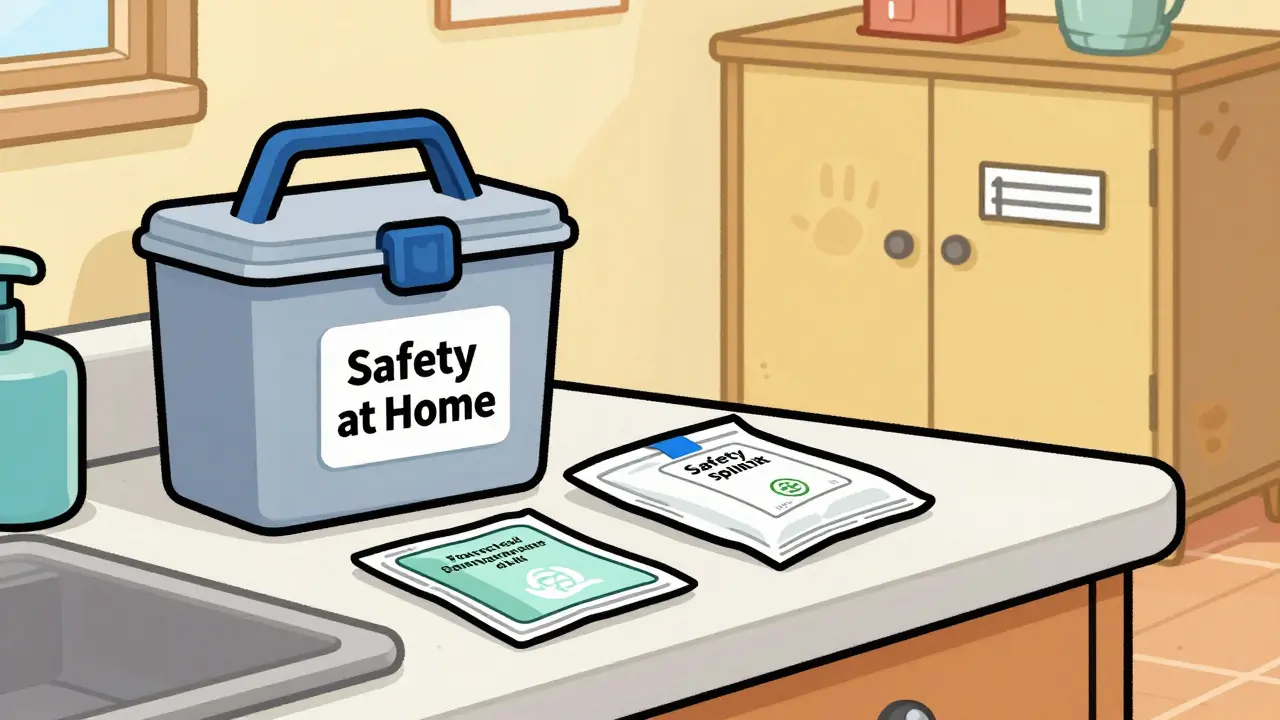
To fix this, the Chemotherapy Safety at Home toolkit has been developed. It provides a concrete checklist: keep drugs in child-proof locked cabinets, use professional chemotherapy spill kits rather than paper towels, and use dedicated sharps containers for needles. When caregivers use these specific toolkits, reported safety concerns drop by 41%.
The Cost of Compliance and Future Outlook
Implementing these safety measures isn't cheap. For a medium-sized clinic, the initial investment in facility modifications and staff training can range from $30,000 to $45,000. There are also ongoing annual costs for PPE and hazardous waste disposal. Many rural clinics struggle with this, creating a gap in care where wealthier city hospitals have better safety tech than small-town clinics.
Looking forward, the industry is moving toward automation. Pilot programs are currently testing AI-powered verification systems to replace manual checklists, potentially reducing the burden on nurses while maintaining the four-step safety check. By 2026, we expect a national certification for all personnel who handle these drugs, ensuring that every person touching a chemotherapy bag has passed a rigorous practical exam.
What happens if a chemotherapy spill occurs?
A specialized chemotherapy spill kit must be used immediately. This includes absorbent pads, hazardous waste bags, and specific PPE. You should never use a standard mop or vacuum, as this can aerosolize the drug and spread it through the air. The area must be cordoned off until a trained professional cleans it using approved decontamination agents.
Why are double gloves necessary?
Many antineoplastic agents can penetrate a single layer of glove through a process called permeation. Double-gloving provides a secondary barrier and allows the wearer to peel off the first contaminated layer without exposing their skin to the chemicals.
How long are bodily fluids hazardous after chemotherapy?
Generally, bodily fluids (urine, stool, vomit) are considered hazardous for 48 to 72 hours following the last dose. During this time, caregivers should use gloves and double-flush toilets to ensure the drug is fully cleared from the home environment.
What is the "fourth verification step"?
It is a mandatory bedside check where two licensed clinicians verify the patient's identity and the medication dose in the presence of the patient immediately before administration. This is designed to eliminate the 18% of errors related to patient misidentification.
What is Cytokine Release Syndrome (CRS)?
CRS is a severe inflammatory response often triggered by immunotherapies. It can cause a rapid drop in blood pressure and organ failure. Because of the rise in these cases, current safety standards mandate that hospitals have a specific policy and immediate access to antidotes like tocilizumab.
Next Steps for Patients and Caregivers
If you are a patient starting treatment, don't be afraid to ask your nurse about the verification process. It's okay to ask, "Can you confirm this is the right dose for me?" This isn't questioning their competence; it's participating in a safety system that saves lives.
For those managing care at home, your first priority should be acquiring a professional spill kit and a dedicated hazardous waste container. If your clinic didn't provide a "Safety at Home" toolkit, request one. Understanding how to handle the first 72 hours after a dose is the most effective way to keep your family and pets safe from accidental exposure.

Write a comment