
Pediatric Excipient Risk Checker
Select an excipient from the list below to understand its potential risks and the vulnerable patient groups it affects.
| Excipient | Primary Risk | Key Vulnerable Group | Potential Severe Outcome |
|---|---|---|---|
| Propylene Glycol | Organ toxicity / CNS depression | Neonates / Renal impairment | Acute kidney injury, seizures |
| Benzyl Alcohol | Metabolic acidosis / Toxicity | Preterm newborns | Gasping syndrome, renal failure |
| Sorbitol / Sugar Alcohols | Osmotic diarrhea / GI distress | Infants with sensitive guts | Dehydration, metabolic acidosis |
The Hidden Danger of Alcohol-Based Excipients
When we talk about alcohol in medicine, we aren't just talking about ethanol. One of the most concerning additives is Propylene Glycol, a solvent used to keep drugs in solution. In adults, the body processes this easily, but newborns lack the mature alcohol dehydrogenase systems needed to break it down. This leads to systemic accumulation that can trigger a cascade of organ failure. Clinical data shows that propylene glycol can cause direct toxicity, manifesting as central nervous system (CNS) depression, cardiac arrhythmias, and hypotension. In some cases, it leads to acute kidney injury. This is particularly dangerous in medications like lorazepam (which can contain up to 80% propylene glycol) or phenobarbital (40% to 70%). If a child is on a continuous infusion of these drugs, the risk of toxicity spikes. Even topical use is a concern; if a baby has a severe diaper rash or burns, the damaged skin (stratum corneum) allows these chemicals to enter the bloodstream directly, potentially causing systemic poisoning. Similarly, Ethanol presents a risk of hypoglycemia and respiratory depression in neonates. Because their livers aren't fully developed, high intake can lead to stupor or even a coma. It is a stark reminder that "inactive" does not mean "non-toxic."Sorbitol and the Gastrointestinal Challenge
Sorbitol and other sugar alcohols are frequently used as sweeteners to make bitter medicines palatable for kids. While they don't usually cause the same organ toxicity as alcohols, they create a different set of problems. These substances are osmotically active, meaning they pull water into the intestines. In an infant's sensitive digestive tract, this often results in severe abdominal pain, bloating, and diarrhea. While a few bouts of diarrhea might seem minor, in a small baby, this can quickly lead to dehydration and bacterial proliferation. In extreme cases, the resulting fluid loss and electrolyte imbalance can trigger metabolic acidosis. Beyond sorbitol, other additives like lactose can cause severe reactions in intolerant children, leading to eczema or joint pain alongside GI distress. To avoid these issues, some formulations are moving toward alternatives like cellulose powder or erythritol, which provide similar tablet stability without the harsh laxative effects. There is also the risk of Polyethylene Glycol (PEG). When PEG-containing creams are applied to wounded skin on infants, it can cause serum hyperosmolality, which has been linked to cardio-respiratory arrest in over 5% of affected pediatric patients.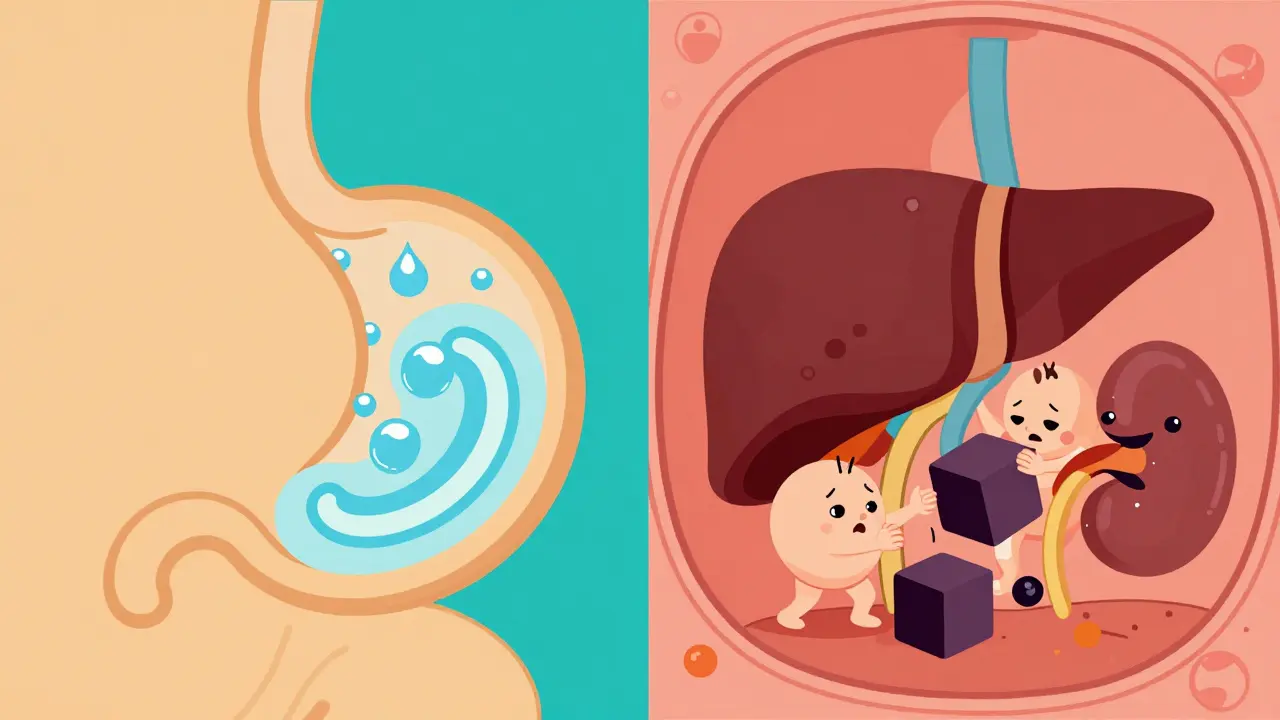
Benzyl Alcohol: A Critical Risk for Neonates
Among all excipients, Benzyl Alcohol is perhaps the most notorious for its severity in the neonatal intensive care unit (NICU). It is often used as a preservative, but neonates cannot metabolize it efficiently. This can lead to a fatal syndrome characterized by thrombocytopenia (low platelet count), hepatomegaly (enlarged liver), and renal dysfunction. Real-world evidence highlights the danger: one study documented eight preterm newborns weighing less than 1,200 grams who developed this fatal syndrome after receiving high doses of a medication containing benzyl alcohol. The risk is further compounded when clinicians use adult-strength vials for tiny babies. The sheer volume of the preservative relative to the baby's body weight becomes toxic. Related compounds also pose threats. For instance, benzocaine and lidocaine are often avoided in children under two years old. Benzocaine carries a high risk of methemoglobinemia-a condition where the blood cannot effectively carry oxygen-while viscous lidocaine can cause seizures and arrhythmia. Even in eye drops, chemicals like benzalkonium chloride can damage the nasal epithelia or cause ocular inflammation if used improperly in children.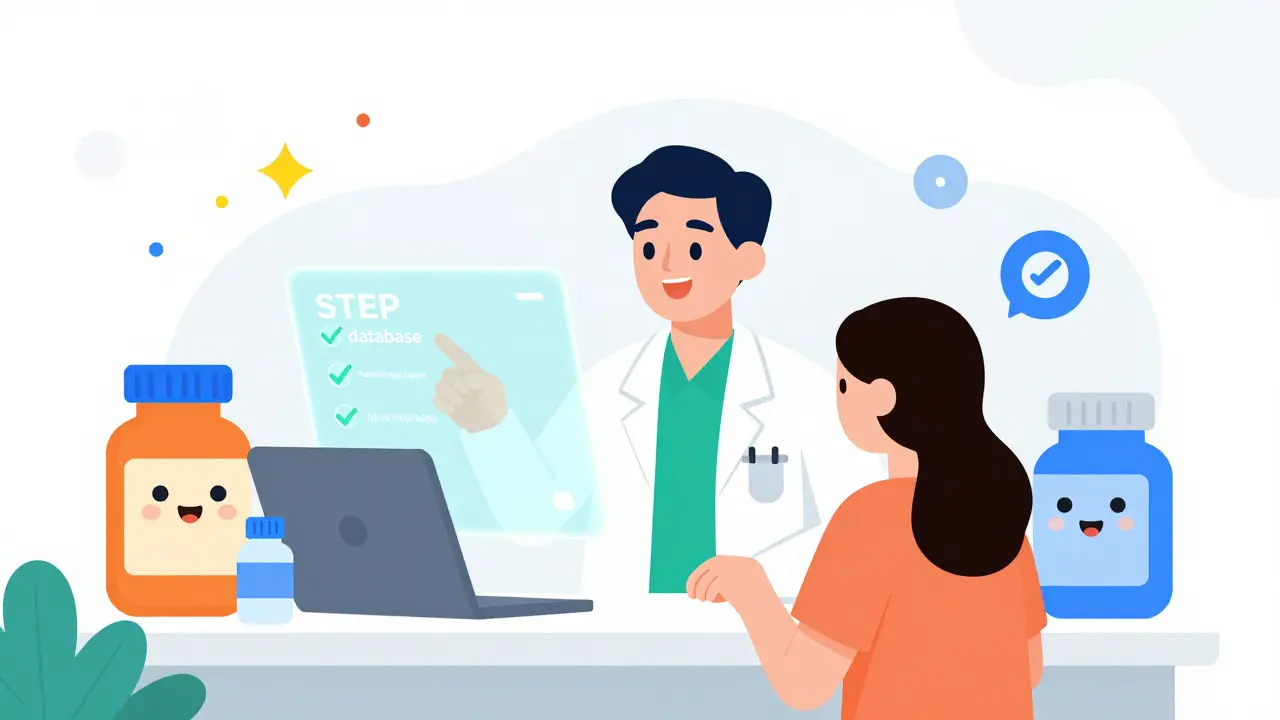
Why This Happens: The Gap in Pediatric Pharmacy
Why are we still seeing these reactions? The answer lies in the "off-label" reality of pediatric medicine. For decades, pharmaceutical companies didn't prioritize pediatric-specific formulations because the market was smaller and the testing was more complex. This forced doctors to use adult drugs and calculate a lower dose, but they couldn't "calculate away" the excipients. If a drug comes in a 10ml vial with a set amount of benzyl alcohol, the baby gets the full amount of that preservative regardless of the dose of the active drug. Regulatory bodies have tried to fix this. The U.S. FDA implemented the Best Pharmaceuticals for Children Act (BPCA) and the Pediatric Research Equity Act (PREA) to incentivize testing in kids. Similarly, the European Medicines Agency created the PDCO to oversee pediatric drug development. Despite these laws, a 2022 survey found that 78% of hospital pharmacists struggle to find age-appropriate formulations, leading over 60% of them to compound medications manually-a process that carries its own set of risks.Moving Toward Safer Formulations
There is progress being made. Tools like the STEP database (Safety and Toxicity of Excipients for Paediatrics) provide a centralized way for clinicians to check if an additive is safe for a specific age group. Additionally, the International Pharmaceutical Excipients Council (IPEC) created the PERAT tool to standardize risk assessments for manufacturers. We are also seeing a rise in "New Molecular Entities" specifically designed for kids. Between 2016 and 2023, the number of approved pediatric formulations increased significantly compared to the previous decade. The goal is to move away from a one-size-fits-all approach and create medicines where the additives are as carefully considered as the active drug itself. For parents and caregivers, the best defense is asking a pharmacist specifically about the "inactive ingredients" in a liquid medication, especially for neonates or children with kidney and liver issues.What exactly are excipients?
Excipients are the non-medicinal ingredients in a drug. They include fillers, binders, preservatives, and sweeteners. Their job is to make the drug stable, easy to swallow, or pleasant-tasting, but they can cause adverse reactions in children whose organs are not yet fully developed.
Why is benzyl alcohol more dangerous for newborns than adults?
Newborns, especially preterm infants, lack the mature liver enzymes necessary to metabolize benzyl alcohol. This causes the substance to build up in the blood, leading to toxicity that can damage the kidneys and liver, and in severe cases, cause death.
Can sorbitol cause a medical emergency in infants?
Yes, potentially. While it usually just causes diarrhea, in very small infants, the resulting severe dehydration and electrolyte loss can lead to metabolic acidosis, which is a serious condition requiring immediate medical attention.
Is it safe to apply PEG-containing creams to a baby's rash?
You should be cautious. If the skin is wounded or severely damaged (like in severe diaper rash), Polyethylene Glycol (PEG) can be absorbed systemically. Some studies have linked this to serum hyperosmolality and cardio-respiratory arrest in infants.
How can I know if a medication contains these harmful additives?
Check the "Inactive Ingredients" section of the drug label. If you are unsure, ask your pharmacist to check the STEP database or the KIDs List to see if the excipients are contraindicated for your child's specific age and weight.

Write a comment