
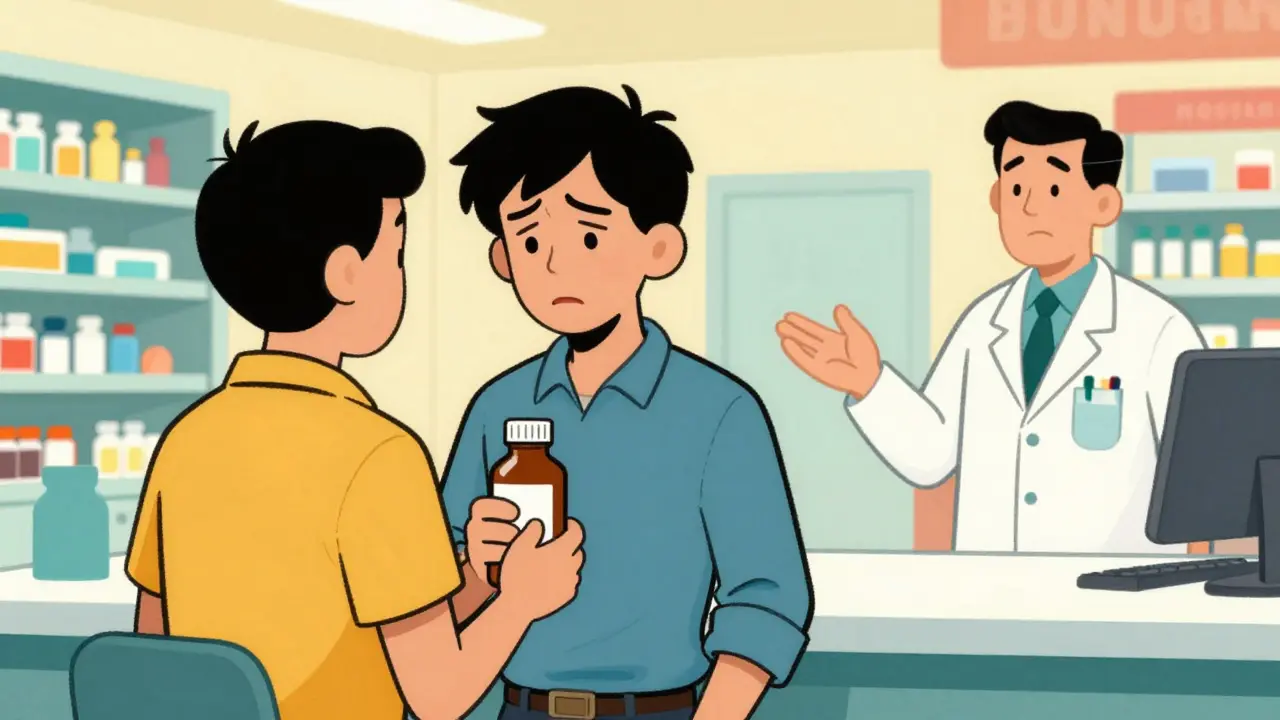
Imagine walking into a clinic where you can speak the local currency of health care-English-but you don't have enough vocabulary to explain your symptoms. Worse, imagine leaving that clinic with a bottle of pills and no idea how to take them. For millions of Americans, this isn't a hypothetical nightmare; it is their daily reality. According to a 2023 survey by the Kaiser Family Foundation (KFF), approximately 50% of adults with Limited English Proficiency (LEP) encounter at least one language barrier in healthcare settings every three years.
The stakes couldn't be higher. When we talk about Medication Safety, we aren't just discussing paperwork or billing codes. We are talking about the difference between healing and harm. Research shows that children in families with LEP status suffer adverse drug events at nearly twice the rate of their English-proficient peers. That means one out of every six children might face a dangerous reaction simply because the doctor couldn't communicate the correct dose in a way the family understood.
Why Communication Breaks Down in Healthcare
You might think a simple dictionary app is enough to bridge the gap. It isn't. Medical terminology is dense and precise. If a doctor says, "take one tablet by mouth," but the translation software renders that as "swallow one pill," a patient might miss the nuance of administration timing relative to meals. A 2022 study published in Pediatrics revealed that miscommunication leads to detectable physical harm in nearly half of these cases.
These errors often happen in plain sight. A major factor is the reliance on untrained helpers. While well-meaning, family members do not have the training to navigate medical jargon. Data from the National Center for Biotechnology Information indicates that up to 25% of interpretations done by family members contain critical errors. This creates a dangerous false sense of security where everyone thinks they understand, but the patient is actually taking the wrong medication at the wrong time.
Your Legal Rights to Language Access
Many patients don't realize that asking for help with language is not a favor-it is a right. Under Title VI of the Civil Rights Act of 1964, any healthcare organization receiving federal funds must provide meaningful access to individuals with LEP. This isn't just about conversation; it covers consent forms, prescription labels, and discharge instructions.
However, compliance is often spotty. A 2023 University of Michigan Medicine study found that 29% of hospitals still lack digital language service options. Despite regulations, implementation varies wildly. You should know that if a hospital refuses to provide a qualified interpreter, they may be violating federal law. Knowing your rights empowers you to demand the level of care you deserve without shame or hesitation.
Finding Professional Interpreter Services
Professional interpreters are trained specifically in medical contexts. They understand terms like "subcutaneous injection" versus "oral solution." Here is what you can expect when accessing these services:
- In-Person Interpreters: Often available in large clinics but expensive to maintain. Costs typically range from $50 to $100 per hour for the facility.
- Telephone Interpretation: Services like LanguageLine Solutions offer immediate connection. The cost usually falls between $3.50 and $5.00 per minute, which many clinics absorb as part of their overhead.
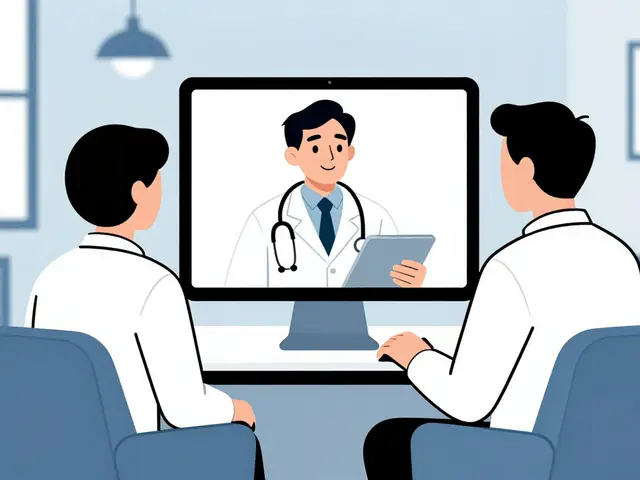
- Video Remote Interpretation (VRI): This allows face-to-face interaction via screen, helping the patient see non-verbal cues. Average cost is roughly $4.00 to $6.00 per minute.
Don't wait until you leave the doctor's office. Ask at the check-in desk, "Do you have a certified medical interpreter available?" Specify that you need one before the appointment starts. This gives the staff time to coordinate the service rather than scrambling during your consultation.
Navigating the Pharmacy Counter
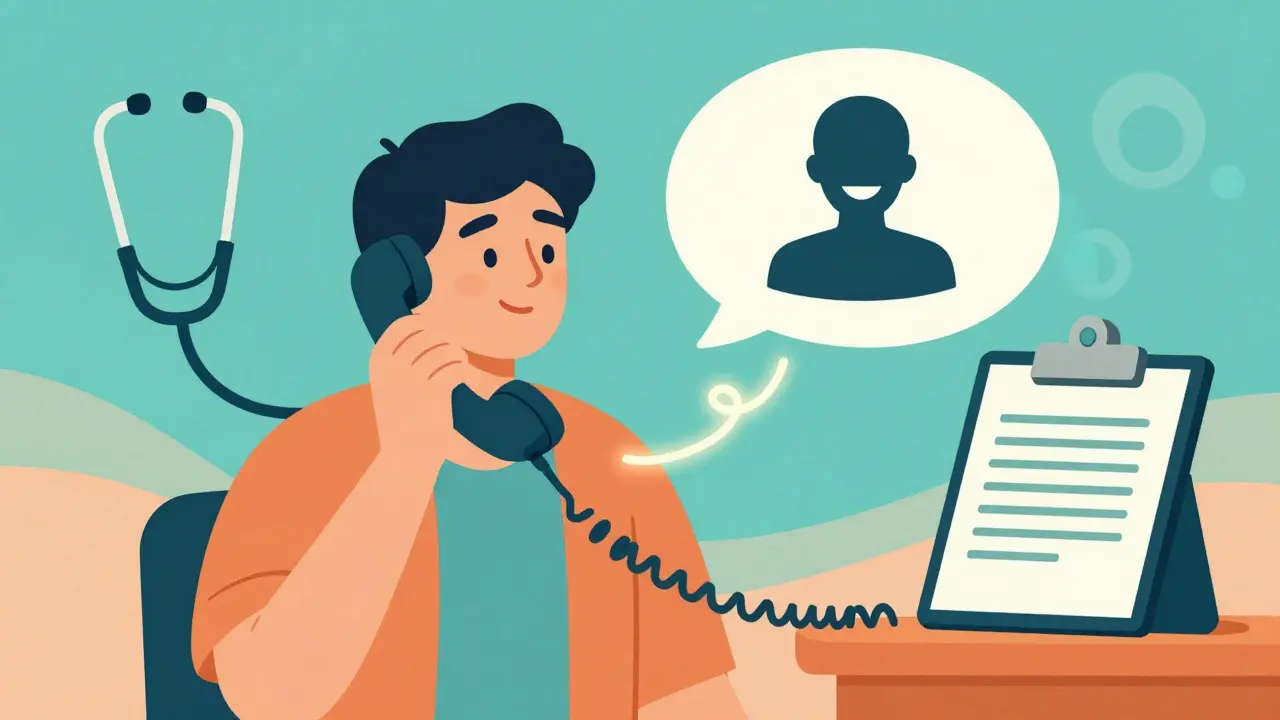
Hospitals might have interpreters, but pharmacies often lag behind. A study cited by AHRQ showed that in certain areas, 31% of pharmacies could not even print prescription labels in Spanish, despite serving a predominantly Spanish-speaking community. Without clear labels, adherence to treatment plans drops significantly.
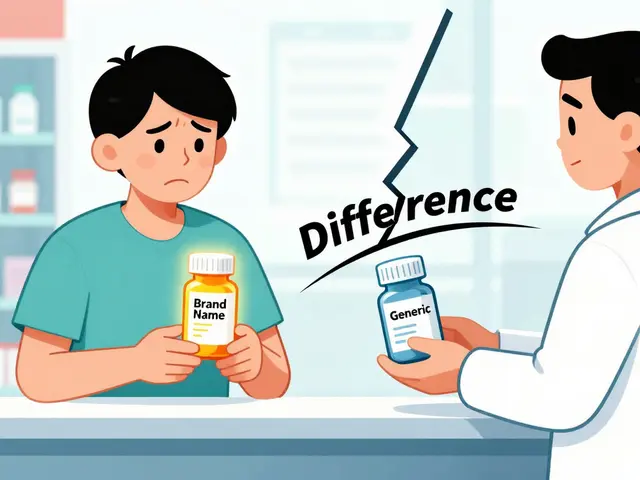
When picking up medication, take a moment to verify the label. If it is not in your primary language, ask the pharmacist to utilize their system's language toggle or request a translated insert. In some systems, common terms like "dropperful" or duration-specific phrases struggle to translate automatically. If the label is confusing, request a demonstration. Asking to see exactly how much liquid goes into the spoon can prevent accidental overdosing.
| Method | Error Rate | Cost Estimate | Best Use Case |
|---|---|---|---|
| Family Member | High (up to 25%) | $0 | Avoid for complex medication instructions |
| Phone Interpreter | Low (professional standard) | $3.50-$5.00/min | Routine visits, quick questions |
| Video Remote | Low (professional standard) | $4.00-$6.00/min | Demonstrations, physical exams |
| Machine Translation | Moderate to High | $0 - Low | Simple forms, basic directions |
The "Teach-Back" Technique for Safety
Even with an interpreter, assumptions can lead to mistakes. A powerful tool to confirm understanding is the teach-back method. This involves asking the patient to explain back to the provider, in their own words, what they are supposed to do with the medicine. Does the parent know to shake the bottle first? Do they know the maximum limit of acetaminophen per day?
This technique is not about testing the patient; it is about testing the explanation. If the patient cannot repeat the instruction back accurately, the provider knows they need to rephrase. A 2017 study in the Journal of General Internal Medicine noted that this approach enhanced accuracy even when language barriers persisted. Insist on using this method during your follow-up appointments to ensure nothing was lost in translation.

Tech Tools and Digital Health Risks
Digital tools have changed how we access care, but they introduce new pitfalls. While apps like Google Translate are convenient, they frequently fail with complex medical advice. There are documented cases where automated translation resulted in incorrect insulin dosing instructions, leading to hospitalization.
As of 2025, the FDA has been rolling out guidance for multilingual prescription labeling to address these gaps. Many Electronic Health Record (EHR) systems, such as Epic and Cerner, now have modules dedicated to language preferences. However, if you are using a patient portal online, check if it offers a language toggle. A 2022 American Medical Informatics Association survey found that 72% of Spanish-speaking respondents felt stronger relationships with providers developed through bilingual portals.
Advocating for Better Systems
If you find yourself in a recurring situation where you cannot get support, consider reaching out to advocacy groups. Organizations like the National Council on Interpreting in Health Care often maintain lists of certified professionals. Furthermore, reporting consistent failure to comply with Title VI can sometimes spur immediate action from a healthcare administrator.
Safety isn't a luxury; it's a fundamental requirement of treatment. By knowing your options-interpreters, teach-back methods, and written translations-you can shift the dynamic from passive recipient to active participant in your care. With proper communication, error rates drop by up to 50%, saving lives and preventing billions in unnecessary healthcare costs.
Can I use my child as an interpreter for medications?
It is generally not recommended. Studies show family interpretation results in significant errors because children lack medical vocabulary. Children may also accidentally skip or alter parts of the message. Always request a professional interpreter instead.
Is language assistance free for patients?
Under Title VI of the Civil Rights Act, federally funded providers must provide language assistance at no cost to the patient. You should never be billed for a professional interpreter in these settings.
What if the pharmacy label is only in English?
Federal regulations require accessible communication. You can ask the pharmacist to print a label in your language or contact their chain's customer service to report the limitation and request accommodation.
How does the 'teach-back' method work?
The provider explains a medication plan, and you repeat it back in your own words to confirm understanding. This ensures both parties agree on the dosage, timing, and side effects.
Are video interpreters effective compared to phone ones?
Yes, video remote interpretation allows for visual cues and demonstrations, which are crucial for explaining complex administration techniques like inhalers or injections.


10 Comments
This situation is absolutely terrifying!!! Imagine taking pills without knowing exactly what you are doing!!!! The stakes are way higher than most people realize!!!!! It is shocking how many clinics fail basic compliance!!!!!
Family interpretation rates remain dangerously high compared to professional standards according to recent studies.
I think everyone needs to understand that getting help is actually part of their legal rights now.:) It makes sense to ask for an interpreter before the appointment starts because it gives staff time to prepare properly.
It really breaks my heart seeing how hard it is for families to navigate medical terms sometimes.:) Most people think hospitals are ready to help with every language but the reality is much scarier. We see data showing gaps in translation cause big problems for patients who cannot speak English well. If a little kid does not get the right dose of medicine because of confusion things can go wrong fast. I have witnessed cases where a simple mix-up leads to unnecessary trips back to the emergency room. Using your own cousin to translate medical paperwork creates a fake feeling of safety for the whole family. Real interpreters know the exact words needed to keep everyone safe during treatment sessions. Lots of folks do not know asking for help is a right instead of something you have to beg for. Rules about language access are supposed to protect us yet many clinics still mess up compliance. Computer systems often forget to update their language options to match what patients actually need today. You should always make sure you understand everything before walking out of the doctor office alone. Having the patient repeat back instructions helps prove that the message was understood clearly. Apps cannot capture the emotion and nuance needed when talking about critical health advice. We need to push for changes that make sure everyone gets access to proper language tools easily. Changing how pharmacy labels look could stop a lot of bad accidents from happening in living rooms.
The statistics presented here highlight a critical failure in our current healthcare infrastructure!!! We simply cannot accept these error rates in developed nations!!!! Every patient deserves the same level of care regardless of their native tongue!!!!
Everyone always cries about rights until someone actually asks for them in person then suddenly compliance becomes optional.
It is vital that we support each other in demanding better access to language services across all regions. Healthcare equity remains a cornerstone of public safety and community health.
Great point about the legal requirements!:) Many people feel shy asking for these services but providers are legally bound to assist.
True quality care requires intellectual rigor which is often lost when translation relies on untrained digital tools.
We all deserve safe care regardless of where we came from! 😊😢 It is time to stop ignoring these obvious gaps in the system.