DR Screening Intervals: When and Why You Need Regular Checks
When you have diabetes, DR screening intervals, the scheduled timing for eye exams to detect diabetic retinopathy before it causes vision loss. Also known as diabetic retinopathy screening, these checkups aren’t optional—they’re your best defense against blindness. Most people with diabetes don’t feel eye damage until it’s too late. That’s why waiting for blurry vision or floaters is like waiting for a car crash to check your brakes.
Screening intervals depend on your type of diabetes, how well your blood sugar is controlled, and whether you already have early signs of damage. For most adults with type 1 diabetes, the first eye exam should happen within 5 years of diagnosis, then every 1–2 years if no retinopathy is found. For type 2 diabetes, you should get checked soon after diagnosis—often within the first year—and then every year if you have mild changes. If your eyes are stable and your HbA1c is under 7%, your doctor might stretch it to every 2 years. But if you’re pregnant with gestational or pre-existing diabetes, you need a checkup in the first trimester and possibly again later—hormones can speed up damage fast.
It’s not just about frequency. The diabetic retinopathy screening, a non-invasive eye exam using specialized imaging to detect early blood vessel changes in the retina must be done right. A quick glance from your primary doctor isn’t enough. You need a dilated eye exam by an ophthalmologist or optometrist trained in retinal imaging. Tools like fundus photography or optical coherence tomography (OCT) catch tiny leaks and swelling long before you notice anything. Skipping this step because you feel fine is the most common reason people lose vision.
What you do between screenings matters too. Keeping your blood sugar steady, managing blood pressure, and quitting smoking slow down damage. But even perfect control doesn’t make you immune—screening intervals exist because damage can creep in silently. One study found that over 60% of people with advanced retinopathy had no symptoms in the year before diagnosis. That’s not luck—it’s negligence.
If you’re on insulin, have kidney disease from diabetes, or are pregnant, your risk jumps. That means tighter intervals, not looser ones. And if you’ve had laser treatment or injections for retinopathy before, you’ll need checks every 3–6 months. No exceptions.
There’s no magic number that fits everyone, but the pattern is simple: early detection saves sight. The eye exams for diabetics, regular, specialized assessments designed to identify diabetic retinopathy before irreversible damage occurs you skip today might be the ones you wish you hadn’t missed tomorrow. The posts below cover real cases, common mistakes, how to prepare for your exam, what the results mean, and how to push back if your provider skips the screening. You’re not just getting an eye check—you’re protecting your future. Here’s what you need to know before your next appointment.
Diabetic Retinopathy Screening Intervals and Treatment Options: What You Need to Know in 2025
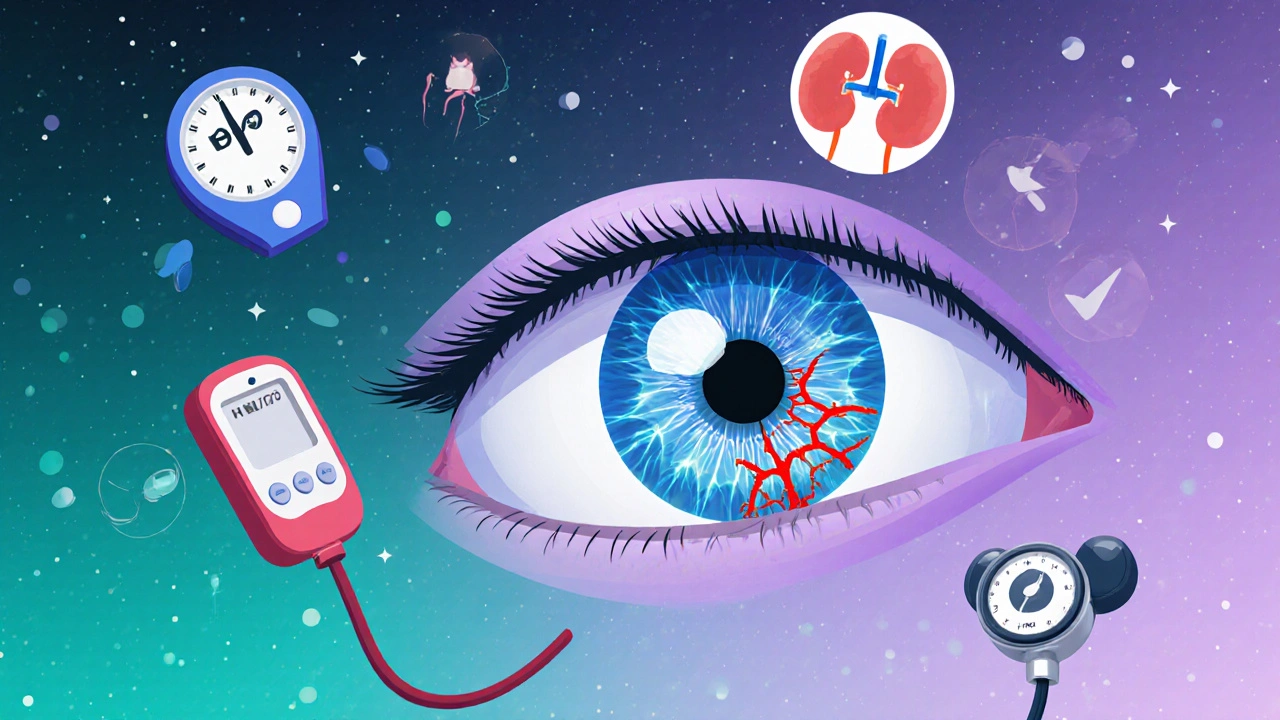
Diabetic retinopathy is the leading cause of preventable vision loss in adults with diabetes. Learn the latest screening intervals based on risk, what treatments actually work, and how to protect your sight with personalized care.