
Diabetic Macular Edema: Causes, Risks, and What You Can Do
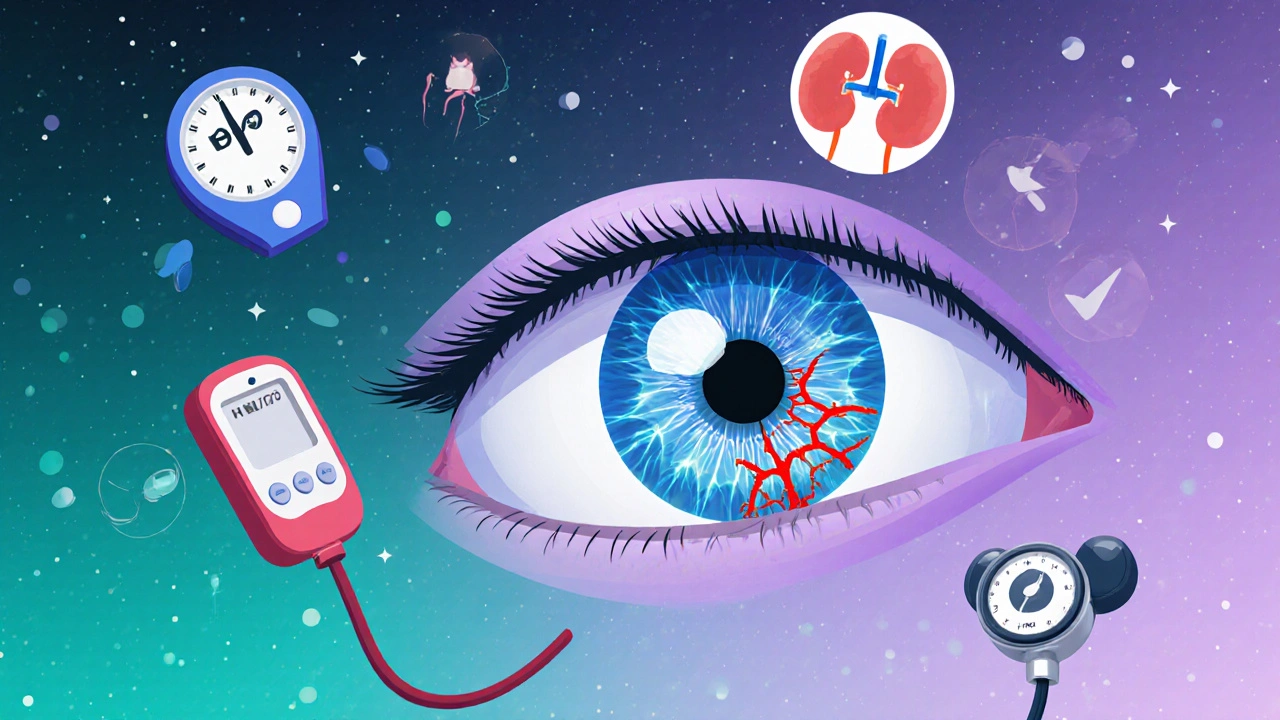
When you have diabetes, high blood sugar doesn’t just affect your kidneys or nerves—it can also damage the tiny blood vessels in your eyes. Diabetic macular edema, a swelling in the macula caused by leaking blood vessels due to long-term high blood sugar. It’s one of the leading causes of vision loss in adults with diabetes. This isn’t a sudden problem—it builds up over time, often without pain or obvious warning signs until your vision starts to blur or distort. Many people don’t realize they have it until it’s advanced, which is why regular eye exams are non-negotiable if you’re living with diabetes.
Diabetic eye disease, a group of conditions including diabetic retinopathy and macular edema that result from diabetes-related blood vessel damage doesn’t happen overnight. It’s tied directly to how well your blood sugar is controlled over months and years. But it’s not just about sugar—high blood pressure and cholesterol make it worse. Even if your A1C is in range, if your blood vessels are already damaged, fluid can leak into the macula, the part of your eye responsible for sharp central vision. That’s retinal swelling, the fluid buildup in the retina that distorts vision in diabetic macular edema. It’s not inflammation you can see, but it’s enough to make reading, driving, or recognizing faces difficult.
What makes this tricky is that you might feel fine. No pain. No redness. Just a slow, quiet decline in clarity. That’s why checking your eyes every year—even if you think your diabetes is under control—is the most important thing you can do. Treatments like anti-VEGF injections and laser therapy can stop or even reverse the damage if caught early. But they won’t help if you wait until your vision is already gone.
The good news? You’re not powerless. Managing your blood sugar, keeping your blood pressure under control, and quitting smoking can cut your risk of developing diabetic macular edema by more than half. And if you already have it, sticking to your treatment plan gives you the best shot at keeping your sight.
Below, you’ll find real-world guides on how diabetes affects your eyes, what treatments actually work, how medications interact with your eye health, and what steps you can take right now to protect your vision before it’s too late.
Diabetic Retinopathy Screening Intervals and Treatment Options: What You Need to Know in 2025
Diabetic retinopathy is the leading cause of preventable vision loss in adults with diabetes. Learn the latest screening intervals based on risk, what treatments actually work, and how to protect your sight with personalized care.