
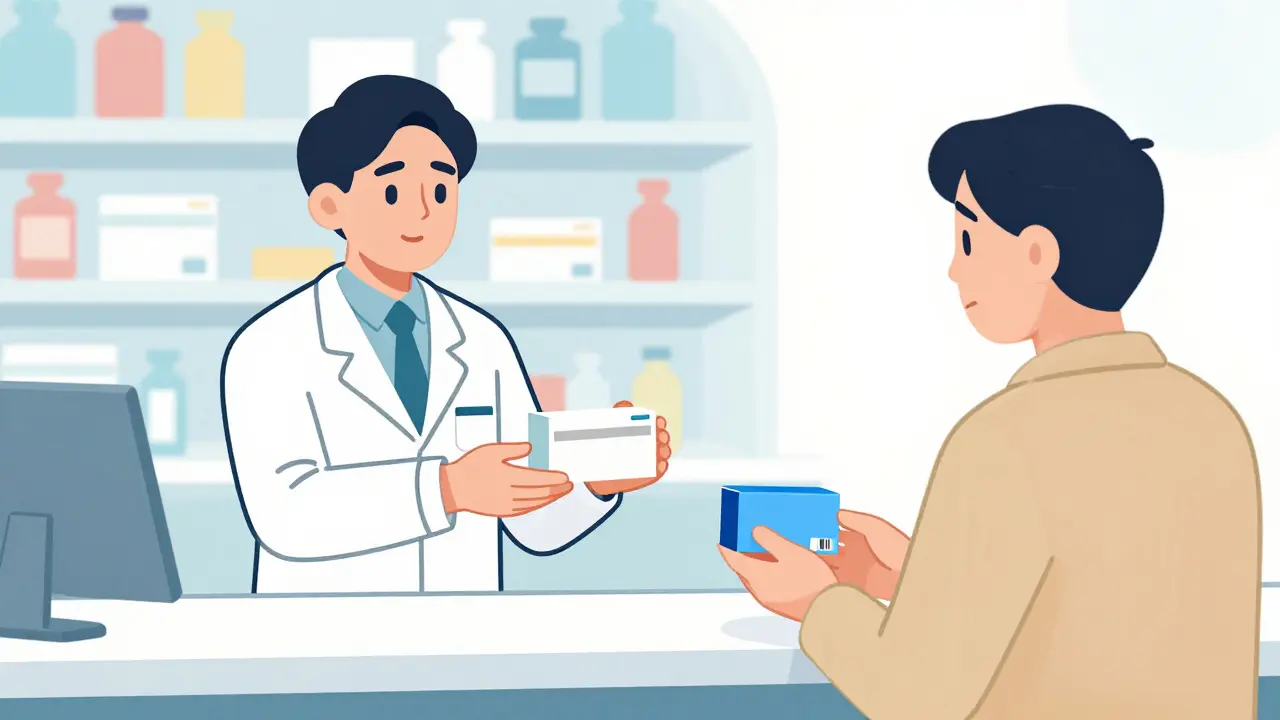
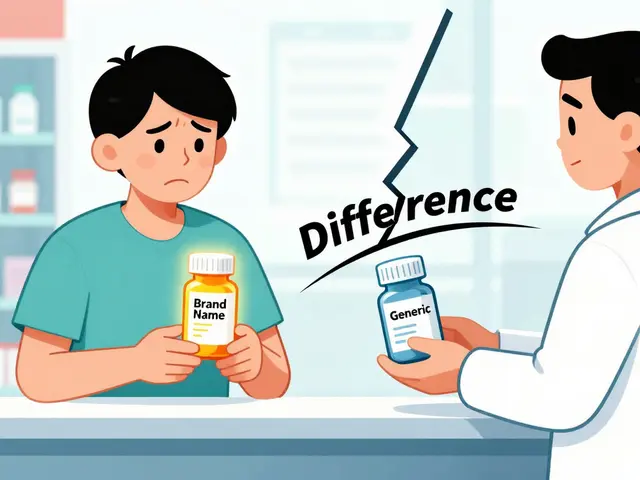
You can see the hesitation in their eyes the moment you slide the white box across the counter instead of the blue one they've had for years. They ask, "Is this really the same?" over and over again. As healthcare providers, we know the science says yes. We know the regulations confirm it. But knowledge alone doesn't stop the worry. If we cannot bridge the gap between regulation and reassurance, patients might skip doses, switch back at their own expense, or worse-stop treatment entirely. Effective communication about generic medications isn't just about cost-saving; it is a critical safety intervention.
The Science Behind the Swap
Before addressing the emotional aspect of switching, you need to have the technical facts straight. When a patient questions the validity of a generic drug, they are often questioning the approval process itself. You can explain that every approved generic undergoes the Abbreviated New Drug Application (ANDA) pathway established by the FDA. This process ensures that the generic version contains the exact same active ingredient, strength, dosage form, and route of administration as the brand-name counterpart. The magic word here is bioequivalence.
Bioequivalence means that the rate and extent of absorption of the generic product are within an acceptable range of the brand name. Specifically, the confidence intervals for the ratio of geometric means must fall within 80% to 125% of the reference product. While this might sound like dry statistics, it translates to clinical reality: your patient's bloodstream receives the medicine at the same speed and in the same concentration. The difference lies mostly in the inactive ingredients-the fillers, dyes, and binders. These can change color or size, but they cannot affect the safety or efficacy of the drug unless the patient has a specific allergy to an excipient.
Why Cost Drives Adherence More Than Efficacy
It is easy to dismiss price as secondary to health, but for many patients, it is the primary barrier to care. The U.S. healthcare system saves an estimated $373 billion annually through the use of generics. For an individual, this often translates to out-of-pocket savings of 80% to 85% compared to brand-name versions. However, these savings are meaningless if the patient refuses to take the pills due to distrust. Research indicates that while 90% of all prescriptions dispensed are now generics, patient skepticism remains a hurdle. Approximately 28% of patients express concern when switching from brand to generic. Your role is to position cost savings not just as financial relief, but as enabling continuous care.
| Feature | Brand-Name Drug | Generic Equivalent |
|---|---|---|
| Active Ingredient | Original formulation | Identical chemical composition |
| Avg. Development Cost | $2.6 billion | $2.2 million |
| Pricing | Full market price | 80-85% lower |
| Regulatory Standard | New Drug Application (NDA) | Abbreviated NDA (ANDA) |
Navigating the "Look and Feel" Objection
One of the most common objections involves the physical appearance of the tablet. Patients associate the color and shape with the "real" medicine. Trademark laws explicitly prevent generic manufacturers from copying the look of the brand name. This creates a disconnect where the brain registers the pill as different. You can proactively address this before handing over the box. Explain that the packaging must differ legally, and the inert ingredients (binders and dyes) allow for variation in color and shape.
However, do not dismiss negative experiences with fluff. Some patients report headaches or stomach upset after a switch. While large-scale studies show no clinically significant differences in effectiveness for cardiovascular drugs, anecdotal reports exist. About 17% of patients report reduced adherence following a switch. Validate their experience. Ask, "What specifically changed for you?" If a patient reacts poorly to a specific generic manufacturer, document the reaction. In some cases, requesting a specific manufacturer code (though not guaranteed) or staying with a higher-tier plan option can resolve the issue.

The Special Case of Narrow Therapeutic Index Drugs
Not all switches are created equal. There is a subset of medications known as narrow therapeutic index (NTI) drugs. These include things like levothyroid, warfarin, and certain anti-seizure medications. For these drugs, small variations in blood levels can lead to toxicity or lack of efficacy. The FDA requires additional scrutiny for these generics, ensuring tighter control on the manufacturing consistency. When discussing NTI drugs, honesty builds trust. Tell the patient: "This class of medication is very sensitive. We can switch to a generic to save money, but I want to monitor your blood levels closely afterward." This transparency transforms anxiety into a collaborative safety plan.
A Framework for Patient Conversation
Pharmacists and providers often spend minutes debating the merits of the drug, but research shows patients receive generic information from their pharmacist significantly more than physicians-67% versus 34%. To maximize impact, use a structured approach like the 'TELL' framework adapted for clinical settings:
- Tell patients generics are required to have the same active ingredients by law.
- Explain that appearance differences come from trademark protection and inactive ingredients.
- Listen to specific concerns (past bad experiences or sensory preferences).
- Link the information to their personal health goals (affordability leading to consistent dosing).
Using the "teach-back" method also dramatically improves retention. Ask the patient to explain back to you what they understood about the new medication. Studies using this technique show a 40% increase in information retention. Do not rush this part of the consultation. Spending three to five minutes on this discussion can prevent months of non-adherence issues later.

Insurance and Formularies
Often the driver for the conversation isn't the provider but the insurance plan. With 84% of health plans placing generics in the lowest cost-sharing tier, insurance pressure is real. Patients may feel forced into a generic switch they didn't want. You can frame this positively by explaining that insurance formularies prioritize generics to keep premiums manageable for everyone. Mention programs like Medicare Part D, where beneficiaries save an average of $1,269 per year through generic use. Connecting the switch to the stability of their coverage plan helps rationalize the decision beyond just the bottle of pills.
Documentation and Follow-Up
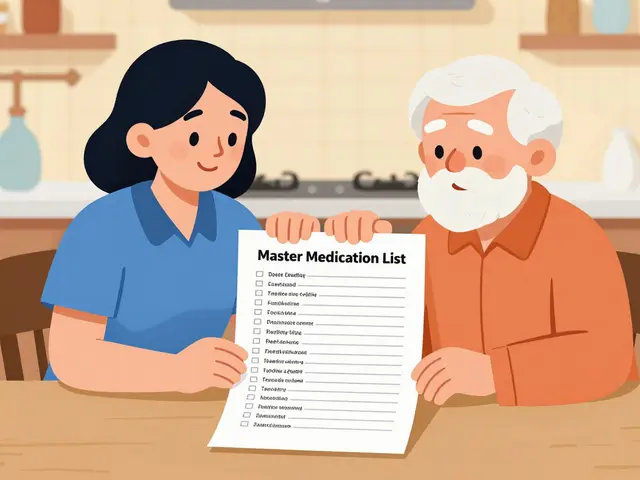
If you handle a resistant patient successfully, make sure it's noted. Document the counseling session in the patient profile, specifically noting any concerns raised and how they were addressed. If a patient requests a specific manufacturer code, flag this in the notes so future prescriptions respect the preference. If a patient still refuses the generic despite education, note "Patient refused generic substitution" clearly. This protects both the provider and the patient by clarifying that the medical team offered the standard of care.


13 Comments
This post is absolutely vital for every healthcare worker to read!!! ❤️
We really need to understand the science behind bioequivalence! 📚
The magic word is definitely how the blood absorbs the meds! 💉
Patient hesitation is totally understandable but facts help so much! 🤗
Regulations confirm that generics are safe every time! ✅
Color changes are just fillers and dyes nothing more! 🎨
If the active ingredient is the same then health remains secure! 🛡️
Cost savings enable people to keep their treatment plans consistent! 💰
Saving thirty seven billion dollars is huge for the system! 🌍
We must talk about appearance fears openly with everyone! 🗣️
Some folks get headaches but usually it is psychological! 🧠
Narrow therapeutic index drugs need extra care and monitoring! ⚖️
Honesty builds trust between doctor and patient always! 🤝
The TELL framework is such a great tool to use! 🧰
Teach back methods increase retention by forty percent! 📈
I am so glad this article exists online!!! 🌟
Keep it simple save money stay healthy
Typical optimistic fluff from someone who never worked in pharma
Providers push generics primarily for their own financial incentive
They claim safety while ignoring potential immune reactions
Patient autonomy should dictate medication choice fully
This article ignores the profit motive entirely
There is a symphony of skepticism playing in the room
Fear colors the landscape of healing journeys
We must paint a picture of truth with gentle brushes
I think peple shoud listen to thier bodys
Sometems the pills feel different
Hapy to see this conversation hapenning
Totally agree with the science presented here
Your experience matters so much in this journey
We stand together for better health outcomes daily
Trust builds slowly through honest conversations always
Such emotional weight on the small white box
Dramatic yet true concerns exist for everyone
We must navigate these feelings gently together
Regulatory standards must be upheld rigorously
Cost effectiveness drives adherence significantly
Medical professionals require clear communication protocols
This reads like a corporate memo from the big pharma lobby
Real patients have real sensitivities ignored by stats
Stop pretending cost is the only variable here
I saw my friend get sicke after switching brands once
The pharmacy staff didnt explain anything to him
It was trumatic for his family too
Hope he found relief soon
Its great to share stories like these
Thanks for posting this up here