
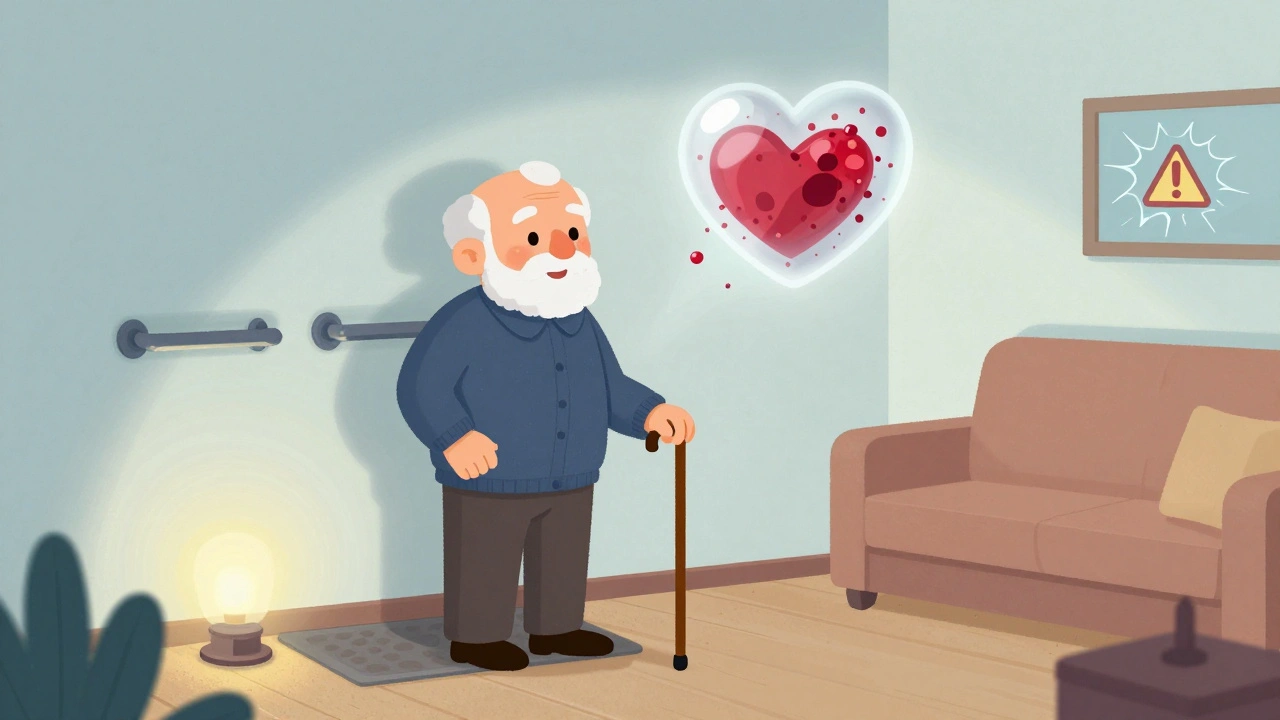
When a senior falls, the fear isn’t just about a bruise or a sore hip. It’s about bleeding inside the brain. And when that senior is on a blood thinner to prevent stroke, the worry grows louder: should we stop the medication? Many families and even some doctors assume that falls make anticoagulants too dangerous. But the data tells a different story-one that’s backed by decades of research and real-world outcomes.
Why Seniors Need Anticoagulants
About 9% of people over 65 have atrial fibrillation (AFib), an irregular heartbeat that lets blood pool in the heart. That pooled blood can clot. And if that clot travels to the brain? It causes a stroke. The risk doesn’t creep up-it spikes. At age 70-79, the chance of a stroke from AFib is nearly 10% per year. By 80-89, it jumps to 23.5%. That’s more than one in four people each year. Anticoagulants cut that risk dramatically. Warfarin, used since the 1950s, reduces stroke risk by about 65%. Newer drugs-called DOACs (dabigatran, rivaroxaban, apixaban, edoxaban)-do just as well or better, with fewer dangerous bleeds. In the ARISTOTLE trial, apixaban reduced stroke or systemic embolism by 21% compared to warfarin. And in the RE-LY trial, dabigatran slashed stroke risk by 88% compared to placebo. Here’s the kicker: the older you are, the more you benefit. A 2015 study of over 24,000 patients aged 75+ found that those over 85 had the greatest net benefit from anticoagulants-even though their bleeding risk was higher. Why? Because their stroke risk was even higher. Preventing one stroke saves more than it costs in bleeding events.The Fall Risk Myth
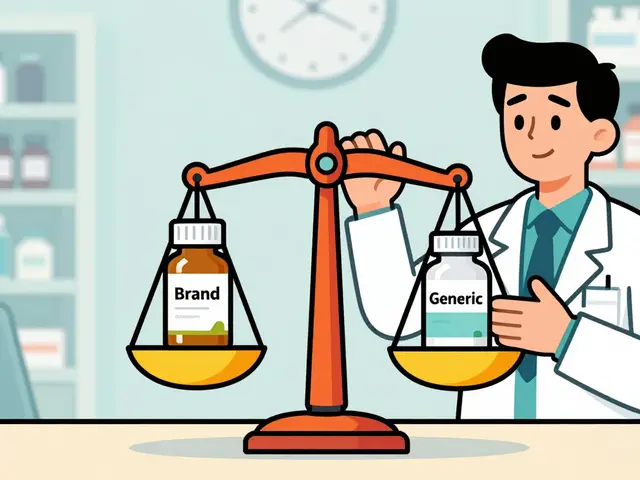
It’s understandable to worry. Falls are scary. And yes, if someone on a blood thinner falls hard, they’re more likely to bleed badly. Minnesota hospital data shows that 90% of fall-related deaths in seniors involve either someone over 85 or someone on anticoagulants. That sounds alarming. But here’s what that data doesn’t say: most seniors on anticoagulants never fall. And for those who do, the chance of a fatal brain bleed is still low. A 2023 review in the Journal of Hospital Medicine called stopping anticoagulants because of fall risk “inappropriate practice.” Why? Because the numbers don’t add up. For every 100 octogenarians treated with a DOAC for a year, 24 strokes are prevented. Only 3 major bleeds occur. That’s a net gain of 21 lives saved or spared from disability. In contrast, aspirin-which some doctors still prescribe as a “safer” alternative-only cuts stroke risk by 22%. That’s less than a third of what anticoagulants do. And it doesn’t stop clots from forming in the heart. It just thins the blood a little. It’s like putting a Band-Aid on a leaking pipe.DOACs vs. Warfarin: What’s Best for Seniors?
Warfarin works, but it’s messy. You need regular blood tests (INR checks every 4 weeks on average). Your diet, other meds, even vitamin K supplements can throw off the dose. For seniors juggling multiple prescriptions, this is a burden. DOACs are simpler. Fixed doses. No routine blood tests. And they’re safer. Apixaban reduces major bleeding by 31% compared to warfarin in patients over 75. Rivaroxaban cuts intracranial hemorrhage risk by 34%. That’s huge. Brain bleeds are the most devastating type-often fatal or disabling. DOACs lower that risk significantly. But DOACs aren’t perfect. Most are cleared by the kidneys. As we age, kidney function drops. A creatinine clearance below 50 mL/min means dose adjustments are needed. Dabigatran is 80% kidney-excreted-so it’s less ideal for someone with advanced kidney disease. Apixaban, at only 27%, is often the safest pick for seniors with mild-to-moderate kidney decline. And yes, until recently, reversing DOACs was hard. But now we have antidotes: idarucizumab for dabigatran, and andexanet alfa for rivaroxaban, apixaban, and edoxaban. These aren’t magic bullets, but they give ER teams a tool. They’re not always available in small hospitals, but their existence changes the risk calculus.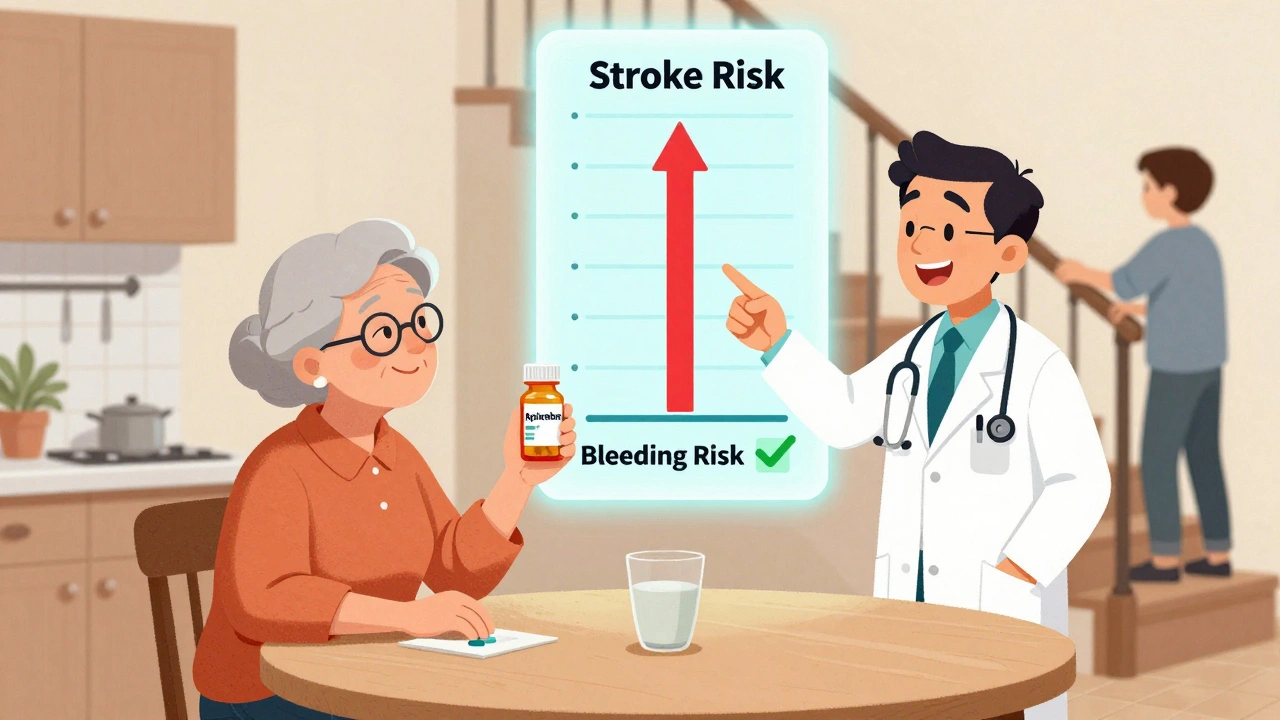
When Not to Use Anticoagulants
There are exceptions. If a senior has active bleeding, uncontrolled high blood pressure, or a life expectancy under 6 months, anticoagulants may not help. But fall history alone? No. Not according to the American College of Cardiology, American Heart Association, or Heart Rhythm Society guidelines (2019 update). Age alone isn’t a reason to avoid them. Neither is a past fall. The HAS-BLED score helps doctors assess bleeding risk. It includes things like high blood pressure, kidney/liver disease, stroke history, and yes-fall risk. But a score of 3 or higher doesn’t mean stop the drug. It means be careful. Monitor. Educate. Prevent falls.How to Reduce Fall Risk Without Stopping the Med
You don’t have to choose between stroke and a fall. You can reduce both risks at once. Start with a fall risk assessment. Tools like the Morse Fall Scale or the Timed Up and Go test can identify risks. Then, tackle them:- Remove tripping hazards-loose rugs, cluttered floors, poor lighting.
- Install grab bars in bathrooms and handrails on stairs.
- Review all medications. Benzodiazepines (like lorazepam), opioids, and even some sleep aids increase fall risk. Cut them if possible.
- Start physical therapy. The Otago Exercise Program, used in Australia and the UK, reduces falls by 35% in seniors. Balance training, leg strength, and slow walking make a real difference.
- Check vision and hearing. Poor senses = more falls.
Why So Many Seniors Are Still Under-Treated
Despite all this evidence, only 48% of seniors over 85 with AFib get anticoagulants. That’s a massive gap. Why? A 2021 survey by the American Geriatrics Society found that 68% of primary care doctors would withhold anticoagulation from an 85-year-old who’d fallen twice in a year-even if their stroke risk score (CHA2DS2-VASc) was 4 or higher. That’s the equivalent of saying “you’re too old to be protected.” It’s not malice. It’s fear. Doctors are human. They see the aftermath of brain bleeds. They hear families say, “We don’t want him to bleed out from a fall.” But fear isn’t data. And data shows that not treating AFib kills more seniors than treating it. A 2022 Reddit thread from caregivers revealed a troubling pattern: multiple stories of doctors refusing to prescribe anticoagulants due to fall history-even after families showed them clinical guidelines. One woman wrote: “My dad had two falls, one with a head injury. His doctor said, ‘No more blood thinners.’ We didn’t know to push back.”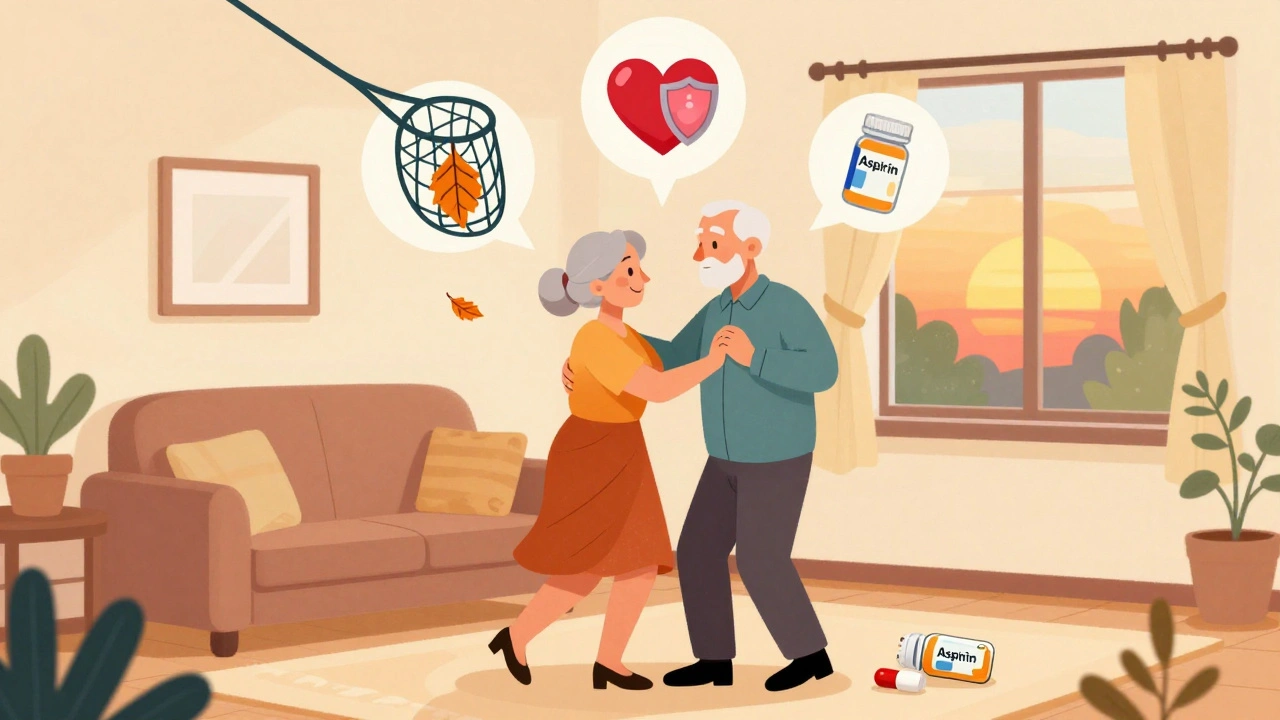
What Families Should Do
If your senior parent has AFib:- Ask for their CHA2DS2-VASc score. If it’s 2 or higher, they need anticoagulation.
- Ask: “What’s the stroke risk without treatment? What’s the bleeding risk with treatment?”
- Ask if DOACs are an option. Apixaban is often the best fit for seniors.
- Ask about fall prevention: “Can we get a home safety check? Can we start balance exercises?”
- Don’t accept “too old” or “too many falls” as reasons to skip treatment.
The Bottom Line
Seniors aren’t too old for anticoagulants. They’re too vulnerable to go without them. The fear of falling is real. The danger of stroke is bigger. You don’t have to choose one over the other. You can reduce both-through smart medication choices, home safety, and movement. Anticoagulants aren’t the problem. The lack of action to prevent falls is. For every 20 elderly patients treated with anticoagulants, one stroke is prevented each year. That’s not a small win. That’s life-changing. And in a world where many seniors face loneliness, isolation, and declining health-staying out of the hospital, staying independent, staying alive? That’s the goal.Frequently Asked Questions
Are anticoagulants safe for seniors who fall often?
Yes. While falls increase bleeding risk, studies show the benefit of preventing stroke far outweighs this risk. A 2023 review found that stopping anticoagulants due to fall history is inappropriate practice. The key is not to stop the medication, but to reduce fall risk through home safety, exercise, and medication reviews.
Which anticoagulant is safest for elderly patients?
Apixaban (Eliquis) is often preferred for seniors. It has the lowest risk of major bleeding compared to other DOACs and warfarin, especially in those over 75. It’s also less dependent on kidney function, making it more suitable for age-related kidney decline. Dabigatran may be less ideal if kidney function is poor, as it’s mostly cleared by the kidneys.
Can I stop anticoagulants if my parent has a fall?
No. A single fall or even multiple falls should not lead to stopping anticoagulants unless there’s active bleeding or a life-threatening injury. The risk of stroke remains high. Instead, focus on preventing future falls with home modifications, balance training, and removing fall-promoting medications like benzodiazepines.
Do DOACs require blood tests like warfarin?
No. DOACs like apixaban, rivaroxaban, and edoxaban don’t require regular blood tests. Warfarin does, because its effect changes with diet and other drugs. DOACs have fixed doses, but kidney function should be checked every 6-12 months to ensure proper dosing, especially in seniors.
What if my parent has kidney problems?
Kidney function matters. DOACs are cleared through the kidneys, so dosage may need adjustment if creatinine clearance is below 50 mL/min. Apixaban is the most forgiving-only 27% is kidney-cleared. Dabigatran is 80%, so it’s riskier in advanced kidney disease. Always get a blood test for kidney function before starting or continuing a DOAC.
Is aspirin a good alternative for seniors who can’t take blood thinners?
No. Aspirin reduces stroke risk by only about 22%, compared to 64% with anticoagulants. It doesn’t prevent clots from forming in the heart during AFib-it just slightly thins the blood. For AFib-related stroke prevention, aspirin is not recommended by any major guideline. It’s not safer-it’s just less effective.



12 Comments
My grandma’s on apixaban and she’s been falling less since we got her those non-slip socks and moved her bed away from the nightstand. She’s 89 and still walks the hallway every morning. Don’t let fear stop you from helping.
I’m a nurse and I’ve seen too many seniors get pulled off anticoagulants after one slip on the bathroom floor. The stroke risk is way higher than the bleed risk. Just fix the house. Add a grab bar. Done.
Apixaban’s the gold standard for seniors with even mild renal decline. It’s not just about kidney numbers-it’s about net clinical benefit. The data’s clear: 21 lives saved per 100 patients treated. That’s not theoretical. That’s your aunt. That’s your dad.
And if your doctor says ‘too old’? Ask for the CHA2DS2-VASc score. If it’s 4+, they’re failing their duty. Not you.
The fall risk myth is a cognitive bias wrapped in paternalism. We fear what we can’t control-bleeding, death, institutionalization-so we retreat into the illusion of safety by withholding treatment. But the data doesn’t care about our discomfort. It shows that inaction kills more than anticoagulation ever could.
Stroke is a silent killer. Falls are visible. Visibility drives fear. Fear drives poor medicine. We need epistemic humility.
STOP USING ASPIRIN FOR AFIB. IT’S A JOKE. 🤦♀️
My uncle was on aspirin for 3 years. Had a massive stroke at 82. They told him it was ‘safer’. Safer? He’s in a nursing home now. Apixaban saved my mom. It saved me the guilt. Do better.
Why do doctors still do this?? I’m so mad. My 87-year-old mom had two falls in 6 months-both minor. Doctor said ‘no more blood thinners’. We had to go to a geriatric specialist just to get her apixaban back. What is WRONG with the system?? 😡
And now she’s doing tai chi. No more lorazepam. And guess what? She hasn’t fallen since. The problem wasn’t the drug. It was the laziness.
Let’s be real-this whole thing is just Big Pharma pushing DOACs because they make more money. Warfarin’s been good enough for 70 years. Why change now?
And don’t get me started on ‘home safety checks’. That’s just another government program that costs taxpayers money so we can feel good about ourselves while our seniors still fall.
My cousin’s 91 and he’s fine on aspirin. He doesn’t need some fancy pill he can’t pronounce.
Apixaban’s 27% renal clearance? That’s still too high for frail elders with eGFR <40. You’re ignoring the pharmacokinetic reality. The ACC guidelines are optimistic. Real-world data shows DOACs increase intracerebral hemorrhage in octogenarians with polypharmacy. The net benefit is overstated.
And idarucizumab? Not available in 70% of rural ERs. So you’re gambling with a drug that can’t be reversed where most seniors live.
My father is 88 in India. He has AFib. We tried warfarin but INR was all over the place. We switched to apixaban. No testing. No headaches. He fell once last year-hit his head but no bleed. Doctor said ‘good choice’. The data works. No need to overthink.
Also-cut the sleep meds. That’s the real fall cause. Not the blood thinner.
As a geriatric care coordinator, I’ve seen families panic after a fall and demand to stop anticoagulants. But when we do a home assessment-remove rugs, install lighting, start Otago-the falls drop by half. The medication stays. The independence stays. The fear? It fades.
It’s not about choosing between stroke and fall. It’s about treating both. And most families don’t know that Medicare covers home safety modifications. They think it’s out of pocket. It’s not.
So now we’re supposed to give old people dangerous drugs because some study says so? What about the guy who bled out after tripping over his dog? You think the data mattered then? No. He died. And now we’re pretending it’s fine because 24 strokes were ‘prevented’
My grandpa died from a brain bleed. He was on one of those DOACs. Don’t give me statistics. Give me safety.
The evidence is unequivocal: anticoagulation in elderly patients with atrial fibrillation confers a significant net clinical benefit, even in the presence of prior falls. The 2023 ACC Expert Consensus and the BAFTA trial provide Level A evidence supporting this paradigm. Discontinuation based on fall history constitutes a deviation from guideline-directed therapy and introduces avoidable morbidity and mortality. Clinicians must prioritize risk stratification over fear-based decision-making. The HAS-BLED score is a tool for mitigation, not contraindication. Failure to adhere to this standard represents a systemic failure in geriatric care.