Diabetic Retinopathy Screening: What You Need to Know Before Your Next Eye Exam
When you have diabetes, your eyes aren’t just affected by high blood sugar—they’re at risk for diabetic retinopathy, a condition where high blood sugar damages the blood vessels in the retina. Left untreated, it can lead to permanent vision loss. But here’s the good news: diabetic retinopathy screening, a simple, non-invasive eye exam designed to detect early signs of damage can catch it before you even notice symptoms. This isn’t optional—it’s a critical part of managing diabetes, just like checking your blood sugar or taking your meds.
Screening for diabetic retinopathy usually involves a dilated eye exam, where drops widen your pupils so the doctor can see the back of your eye clearly. Sometimes, they’ll take digital photos of your retina—no needles, no pain, just a quick flash of light. It’s not a test for your vision clarity; it’s a scan for leaks, swelling, or abnormal blood vessels. People with type 1 diabetes should get screened within five years of diagnosis, and those with type 2 should be checked soon after diagnosis. Pregnant women with diabetes need screening in the first trimester, because pregnancy can speed up damage. Skipping this exam isn’t just risky—it’s like ignoring a warning light on your car’s dashboard and hoping the engine won’t fail.
What makes this screening so vital is that diabetic eye disease, a broader term covering retinopathy, macular edema, and glaucoma often shows no symptoms until it’s advanced. You might still read fine, drive without trouble, and feel perfectly healthy—yet damage could be building. That’s why regular screening is the only reliable way to stay ahead. And it’s not just about the eyes. The same blood vessel damage that harms your retina can signal problems in your kidneys or heart. So this test isn’t just protecting your sight—it’s giving you a window into your overall health.
Many people delay screening because they think, "I don’t have blurry vision, so I’m fine." But that’s like saying, "My chest doesn’t hurt, so my cholesterol must be normal." The truth is, the most dangerous damage happens silently. The sooner you catch it, the more options you have—laser treatment, injections, lifestyle changes—all of which work best when started early. And if you’ve been told you have mild retinopathy, screening every year isn’t a suggestion—it’s your best defense against losing vision.
Below, you’ll find real-world advice from people who’ve been through this, doctors who’ve seen the consequences of skipping screenings, and clear comparisons of what to expect during the exam. Whether you’re newly diagnosed or have had diabetes for decades, these posts give you the facts you need to protect your sight—before it’s too late.
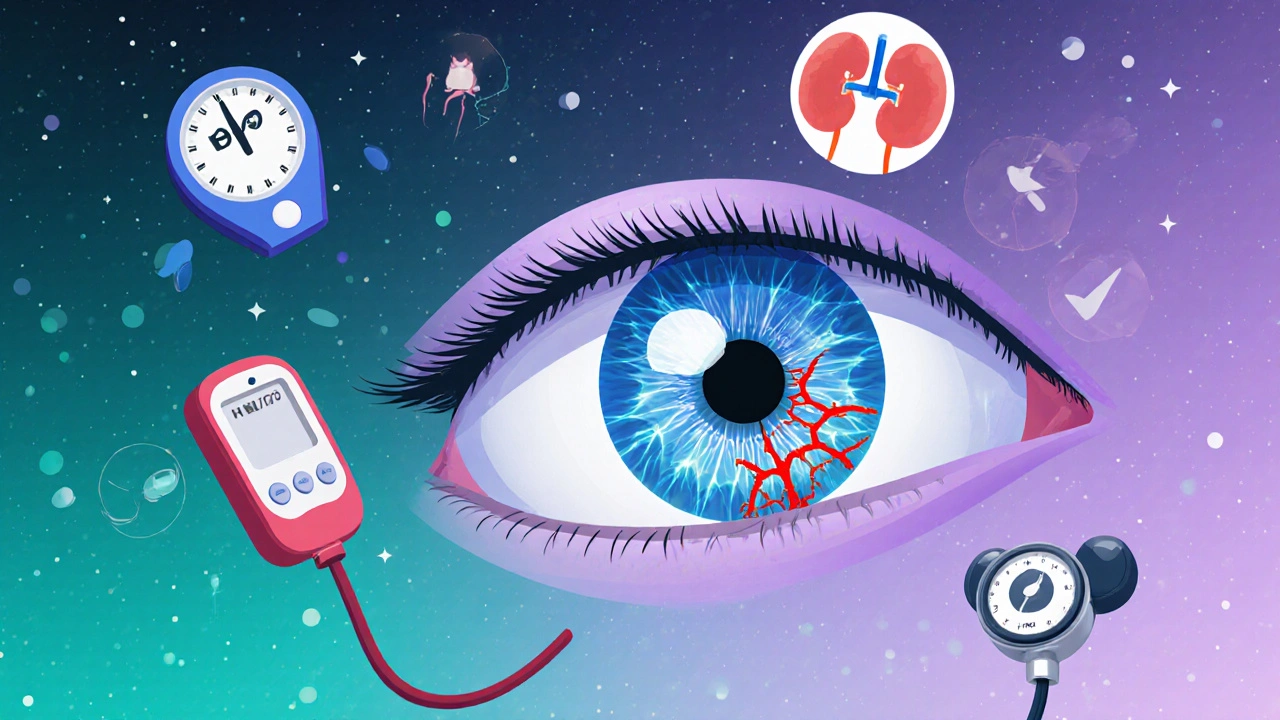
Diabetic Retinopathy Screening Intervals and Treatment Options: What You Need to Know in 2025
Diabetic retinopathy is the leading cause of preventable vision loss in adults with diabetes. Learn the latest screening intervals based on risk, what treatments actually work, and how to protect your sight with personalized care.