
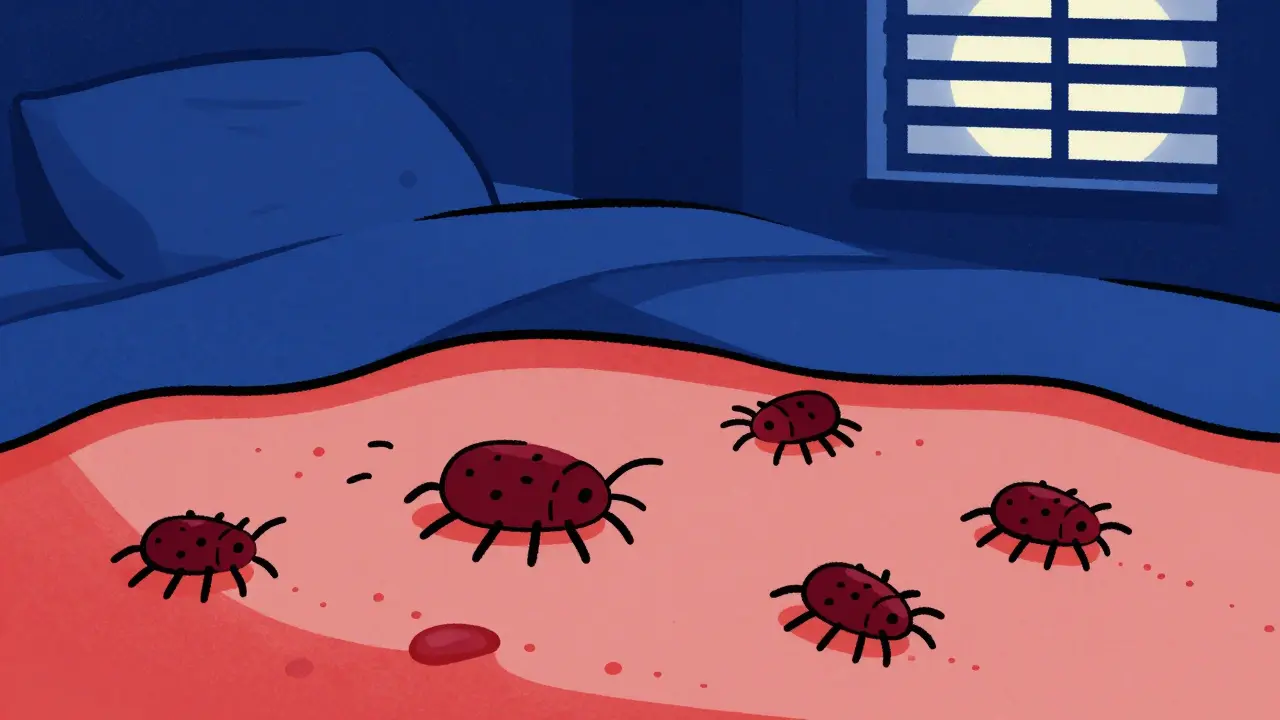
You know that itch won't stop. It’s worse at night, right under your blankets, making sleep impossible. You scratch until your skin bleeds, wondering what’s wrong. Most people assume it's dry skin or an allergy, but the reality is often something far more stubborn. Millions of cases happen every year globally, yet these infestations carry unnecessary stigma because they seem untreatable. If you are staring at red burrows or finding moving nits in hair, you need a plan that actually works.
We aren't just talking about lotion here. We are discussing biological warfare against microscopic invaders. Understanding the difference between the mite that digs into your skin and the louse that lives on the surface is the first step to stopping the cycle.
Identifying the Invisible Invaders
Scabies is caused by the microscopic mite Sarcoptes scabiei var. hominis. It’s not visible to the naked eye easily, but the damage is obvious. These mites burrow into the upper layer of your skin to lay eggs. Your immune system reacts violently to this, causing intense itching. While ancient texts described it as "lice of the flesh," modern medicine knows exactly how these eight-legged creatures operate. They are incredibly contagious through skin-to-skin contact. A single moment of close touch can transfer the parasite, even from a handshake or holding hands while driving.
Pediculosis, commonly known as lice, involves different species. There are three main types affecting humans. Head lice (Pediculus humanus capitis) live in the scalp and feed on blood. Body lice usually live in clothing seams and move to the skin to eat, often signaling poor hygiene or crowded living conditions. Pubic lice (Pthirus pubis) prefer coarse body hair. Unlike the burrowing mite, lice crawl on the surface of the skin or hair shafts. You can often see them moving or spot their eggs (nits) stuck fast near the hair root. Identifying which one you have changes how you treat your environment.
The Gold Standard: Topical Treatments
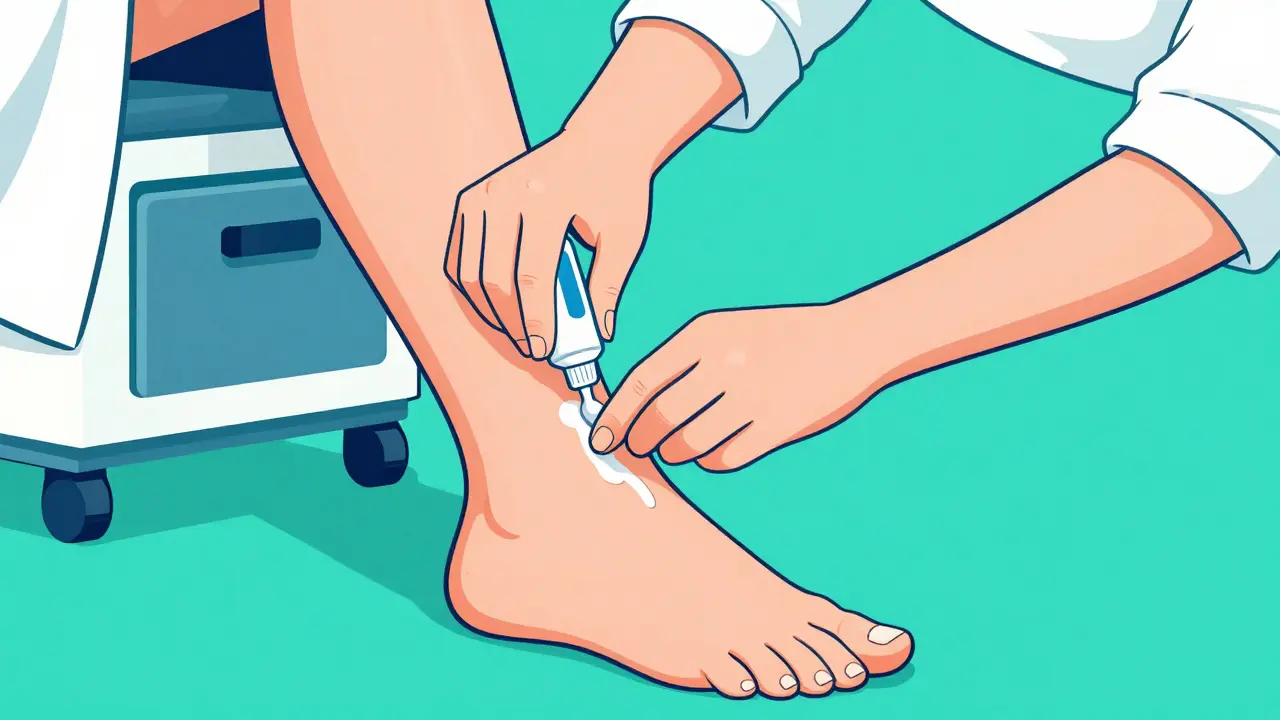
If you visit a doctor, the most common prescription involves a topical agent. Permethrin 5% cream is widely considered the first-line defense for scabies treatment. It paralyzes and kills the mites. However, applying this isn't like putting on moisturizer. You must cover your entire body from the neck down, including toes, fingers, under nails, and genital areas. Missing one spot means the survivors will repopulate. The instructions are strict: leave it on for 8 to 14 hours before washing off. Many people wash too early, reducing efficacy significantly.
This method requires precision. Studies show that proper application leads to over 90% cure rates after two rounds. You typically need a second application seven days later. This waiting period matters because the cream kills adult mites but struggles to kill all the eggs. Waiting a week allows the surviving eggs to hatch into adults, which the second dose then eliminates. Without this second step, the infestation returns, leading users to believe the treatment failed when in fact the protocol was incomplete.
Oral Alternatives for Stubborn Cases
For cases where creams fail or application is difficult, doctors often prescribe oral medication. Ivermectin is a powerful antiparasitic drug. Originally used in veterinary care, it became essential for human mass-eradication programs. In the United States, it's technically "off-label" for scabies, meaning the FDA hasn't specifically approved the pill for this condition, though doctors prescribe it frequently. In other regions, including parts of Europe, it has formal approval. You take it with food to improve absorption, usually as a dose of 200 micrograms per kilogram of body weight.
Why choose pills over cream? Compliance. Covering every inch of skin with lotion is messy and hard for parents doing it to toddlers. Swallowing a tablet is simpler. Research indicates that a single dose achieves around 86% cure rates at two weeks, climbing to 100% with a second dose. For institutional outbreaks, like nursing homes, this convenience saves staff hours. A case study in a facility documented nearly 99% eradication among residents using a double-dose protocol. Just note that it isn't safe for small children weighing less than 15 kg or pregnant women, limiting its universal use.
Fighting Resistance and New Options
One major hurdle today is drug resistance. Mites and lice evolve quickly. Reports suggest resistance to permethrin exists in 15-30% of infestation zones. When standard creams don't work, patients feel desperate. In those scenarios, newer agents like spinosad liquid offer hope. Approved recently in some markets, it provides a neurotoxin option distinct from older chemicals. It targets nerve cells in the parasite differently, bypassing mechanisms that made previous drugs ineffective.
| Treatment Type | Efficacy Rate | Primary Limitation | Best Used For |
|---|---|---|---|
| Permethrin Cream (Topical) | 92.5% | Requires full-body application; messy | Standard home treatment |
| Ivermectin (Oral) | 85.9% - 100% | Safe only for adults/older children; cost | Community outbreaks, resistant cases |
| Lindane Lotion | Variable | Neurotoxicity risks; rarely used now | Reserve for extreme resistance |
| Spinosad Liquid | High efficacy | Cost; age restrictions | Pediatric cases (4 years+) |
In severe cases like crusted (Norwegian) scabies, neither alone is enough. This form presents in immunocompromised individuals where thousands of mites build up crusty layers. The American Academy of Family Physicians mandates combination therapy here. Patients receive both the oral pill and the topical cream simultaneously. Even then, recovery takes time. Patience is crucial because the immune reaction continues even after parasites die, meaning itching may persist for weeks post-treatment.
Managing the Household Environment
Treating the patient does nothing if the bug comes back from someone else's bed. All household members must be treated at the same time, regardless of symptoms. People often skip this step, thinking, "I'm not itching, so I'm fine." But mites take weeks to trigger the allergic response that causes the itch. A silent carrier can re-infest everyone immediately after you finish washing off the cream.
Clothing management is equally vital. Wash bedding, towels, and clothes in hot water and dry on high heat. Items that cannot be washed can be sealed in plastic bags for at least three days. Mites cannot survive off the human host for long periods. Vacuum upholstered furniture thoroughly. While this seems laborious, it breaks the transmission chain effectively. Public spaces like schools also require vigilance, but direct transmission is the primary route.

Why Symptoms Persist After Treatment
A common panic arises when itching continues after treatment. Patients think the medicine failed. Often, it hasn't. Dead mites remain in the burrows, releasing waste products that still irritate the skin. This is called post-scabetic dermatitis. It can last four weeks or more. Doctors might prescribe steroid creams to calm the inflammation during this healing phase. Recognizing this delay prevents unnecessary re-dosing of potent medications, which can cause skin toxicity.
Prevention and Community Efforts
Global efforts focus on mass drug administration. In endemic regions, health organizations distribute ivermectin alongside antibiotics for diseases like trachoma. A program in the Solomon Islands treated over 26,000 participants successfully. Integrating treatments reduces cost and logistical burden. Locally, preventing spread requires immediate action at the first sign. Delaying treatment allows the colony to grow, increasing the number of contacts and complicating containment.
How do I know if my treatment worked?
Complete cessation of new burrows and reduced itching within two weeks indicates success. Old burrows may remain for months but won't produce new activity. If new bumps appear after month one, you likely had re-infestation.
Is it safe to use ivermectin at home?
Only if prescribed. Dosage depends on weight. Incorrect dosing can lead to severe side effects or ineffective clearance. Do not self-medicate without clinical guidance, especially regarding contraindications for pregnancy.
Can pets spread scabies to humans?
Generally no. Human scabies mites differ from pet sarcoptic mange. Pets need separate vet treatment for their specific infestation type, but they are unlikely to pass human scabies to you.
Do I need to clean my whole house?
Focus on soft furnishings and bedding. Hard surfaces like floors don't harbor mites long term. Sealing non-washable toys in plastic bags for three days removes risk without total disinfection sprays which are often toxic.
What if my child refuses the cream?
Spinosad lotions or oral options may help depending on age. Consult a pediatrician immediately. Do not force messy applications that cause distress, as agitation can increase cross-contamination risk in the room.





15 Comments
You know that itch won't stop. It’s worse at night, right under your blankets, making sleep impossible. You scratch until your skin bleeds, wondering what’s wrong. Most people assume it's dry skin or an allergy, but the reality is often something far more stubborn. Millions of cases happen every year globally, yet these infestations carry unnecessary stigma because they seem untreatable. If you are staring at red burrows or finding moving nits in hair, you need a plan that actually works. We aren't just talking about lotion here. We are discussing biological warfare against microscopic invaders. Understanding the difference between the mite that digs into your skin and the louse that lives on the surface is the first step to stopping the cycle. Scabies is caused by the microscopic mite Sarcoptes scabiei var hominis. It’s not visible to the naked eye easily. But the damage is obvious. These mites burrow into the upper layer of your skin to lay eggs. Your immune system reacts violently to this, causing intense itching. While ancient texts described it as lice of the flesh, modern medicine knows exactly how these eight-legged creatures operate.
The protocol requires precision. Studies show that proper application leads to over 90% cure rates after two rounds. You typically need a second application seven days later. This waiting period matters because the cream kills adult mites but struggles to kill all the eggs. Waiting a week allows the surviving eggs to hatch into adults, which the second dose then eliminates. Without this second step, the infestation returns.
I totally feel the frustration when people just wash it off too soon. It takes so much patience to deal with the mess of covering every inch of your body. It is honestly scary how easy it is to get reinfested from someone who thinks they don't have symptoms. Seeing your whole family treated at the same time really helps calm the anxiety down though. The part about washing sheets in hot water makes a huge difference for peace of mind. I wish more people understood that it isn't about hygiene necessarily but about biology. Taking care of the environment is just as important as taking care of the person. It feels overwhelming to think about sealing clothes for three days but it stops the cycle. We should definitely share more info on how to manage the household without panic. Nobody deserves to suffer through the nighttime itching alone.
Oh sure let us all become dermatologists overnight. Just slap on the cream and hope for the best. People ignore the warnings about washing too early until they come back twice as bad. Then they want magic pills to fix it instantly. Resistance is a real problem because we rely on the same old chemicals. Spinosad sounds nice until you check the price tag. Compliance is always the bottleneck in medical advice nobody listens to instructions properly. Covering toes and fingers sounds annoying until you realize missing one spot ruins everything. Just follow the doctor orders next time instead of guessing online.
!The efficacy rate of permethrin is truly impressive!! ; ) . Proper application is absolutely critical for success! !Many patients overlook the importance of the secondary dose!! : )
We all benefit from clearer guidelines on the timing. Balance is key between aggressive treatment and safety. Collaboration helps prevent outbreaks in communities. Simple steps matter most.
Hygiene standards are falling apart everywhere! 🤢 It is basically selfish not to treat everyone at once 😡 People should just lock themselves away for a few days! 👏👏👏
Stop spreading germs like that! 😤
In my culture we use neem oil sometimes but modern meds work better now. The burning sensation is common but you must keep applying it fully. Don't stop halfway or it comes back angry. Family members must do it together even if they dont itch yet. Ignoring it makes everyone sick again fast. You need to boil the clothes not just wash them. Heat kills the eggs cold does nothing. Do not be lazy with the vacuuming of carpets either. The dust carries the mites around the house still. Follow the protocol strictly or waste the money. It costs more to redo than to do right first time.
Your optimism about boiling clothes is misplaced since some items melt in the dryer. Standard heat cycles work fine for most fabrics though. Persistence is the enemy here. Waiting four weeks for itch to stop seems ridiculous to many patients. We need better symptom management options besides steroids.
I have read many accounts regarding the oral medication options available today. Ivermectin is becoming a staple for harder cases where creams fail repeatedly. The dosage based on weight ensures safety for larger individuals mostly. Children under fifteen kilograms remain excluded from this protocol unfortunately. It requires careful administration under supervision generally speaking. Public health initiatives in some regions distribute these pills freely during mass campaigns. Cost remains a barrier in certain parts of the world despite high efficacy. Combining topical and oral treatments handles crusted forms effectively. Patience is required during the healing phase where bugs are gone but itch remains. Understanding the lifecycle prevents unnecessary panic attacks during the wait. The science behind neurotoxin targeting is quite fascinating to observe. New agents bypass resistance mechanisms seen in older drugs frequently. Community support networks help isolate active cases faster than schools can. Awareness reduces the stigma attached to these conditions significantly. We move forward by sharing accurate information regularly. Trust in the medical process avoids dangerous self diagnosis attempts.
It is tragic how many people suffer in silence for weeks before seeking help. The nights are the worst part honestly. I felt hopeless until the dermatologist gave the plan. Now I understand why the second round is mandatory.
People wait until it becomes severe because they deny having parasites. Weakness of will keeps them untreated for too long months usually. Discipline is the only thing that saves you here.
Just remember pets need their own vet visit for mange. Human scabies stays on humans mostly. Treat the room thoroughly and wash hands often.
sealing toys works well too no need to spray chemicals everywhere
simple plastic bags for three days is enough
keep kids safe from toxic stuff while doing cleanup
Ivermectin really changed the game for outbreaks.
you lack depth on the pharmacological implications
it is not just a change it is a systemic shift in dermal management protocols across the globe
most laymen miss the nuances of absorption kinetics entirely
i suppose basic understanding suffices for the general public though
we must acknowledge the sophisticated nature of antiparasitic resistance management
trivializing such complex issues serves no one